Centipedegrass is a unique warm-season turf that gardeners love for its low maintenance and apple green colour. It thrives in acidic soil with a pH between 5.0 and 6.0. If you want the best results, you must use Best Liquid Fertilizer for Centipede Grass Growth Tips to avoid common mistakes. This grass only needs 0.5 to 2 pounds of nitrogen each year for every 1,000 square feet.
You should feed your lawn only when it is fully green in the late spring or summer. Too much food is actually a bad thing for this specific grass type. It is often called the “lazy man’s grass” because it grows so slowly and needs very little attention. You can use Best Liquid Fertilizer for Centipede Grass Growth Tips to keep your yard looking great without much effort.
- Always do a soil test first to check your nutrient levels.
- Liquid fertilizers provide fast green-up through the leaves.
- Too much nitrogen can kill your lawn through centipedegrass decline.
What is the Best Liquid Fertilizer for Centipede Grass Growth Tips?
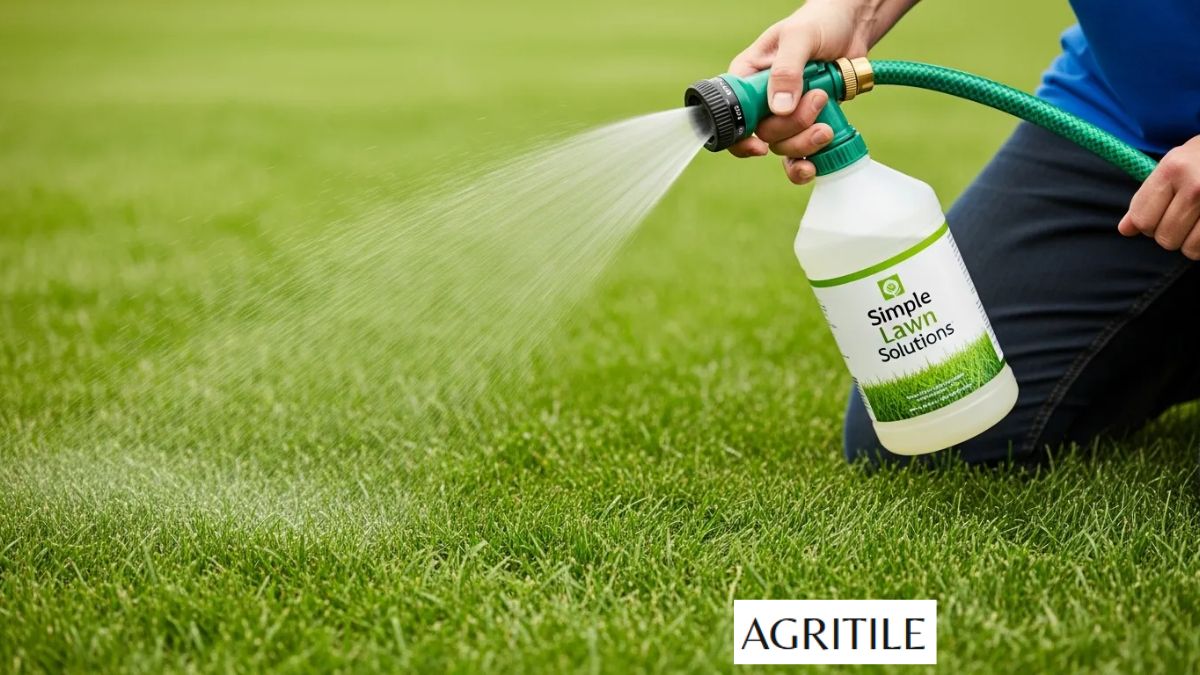
A great product for your yard is the Simple Lawn Solutions 15-0-15 liquid formula. It contains humic acid which helps your soil hold onto nutrients better. This liquid lawn fertilizer for centipede grass is excellent for sandy soils and protects against pests. You will find that it comes ready to use in a simple spray bottle for easy work.
Another choice is a chelated iron supplement for those yellow spots. Many people ask what kind of fertilizer do i need for centipede grass when they see fading colours. Chelated liquid iron works much better than standard iron sulfate in alkaline soils. It stays available for the roots to soak up even if the soil pH is a bit high.
Importance of a Soil Test for Your Lawn
First of all, you should never guess what your soil needs. A soil test tells you the exact levels of nitrogen, phosphorus, and potassium in your dirt. It also shows the pH level which is very important for centipede health. You should take a sample every two to three years to stay on track.
The test report will show if you have too much phosphorus. High phosphorus can actually turn your grass yellow and cause major problems. Additionally, you will know if you need to add sulfur to lower the pH. Therefore, the test is your most important tool for a healthy farm or garden.
| Nutrient | Purpose | Level Needed |
| Nitrogen | Green colour and growth | 0.5 to 2 lbs per year |
| Phosphorus | Root development | Low or none (unless deficient) |
| Potassium | Stress and disease resistance | Moderate to high |
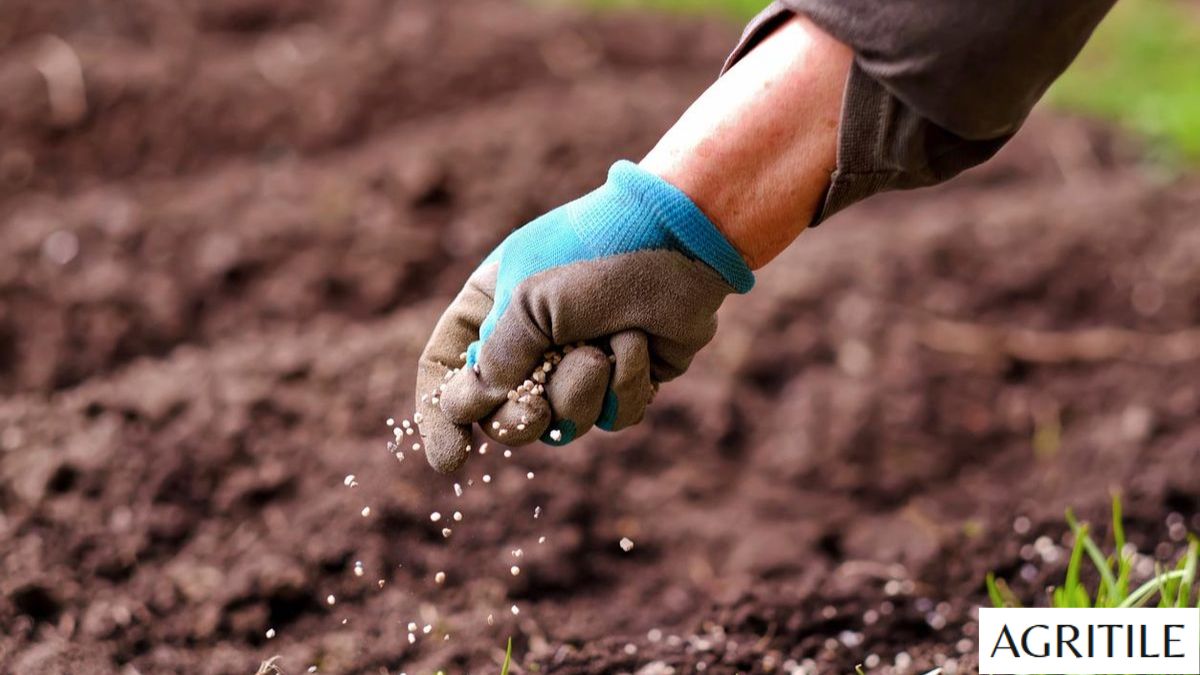
Most centipede lawns do best with a 15-0-15 ratio. This gives the grass enough nitrogen and potassium without adding unneeded phosphorus. You should follow the soil test to see if you need specialty products like 0-0-48 for extra potassium.
Best Liquid Fertilizer for Centipede Grass Growth Tips for Fast Results
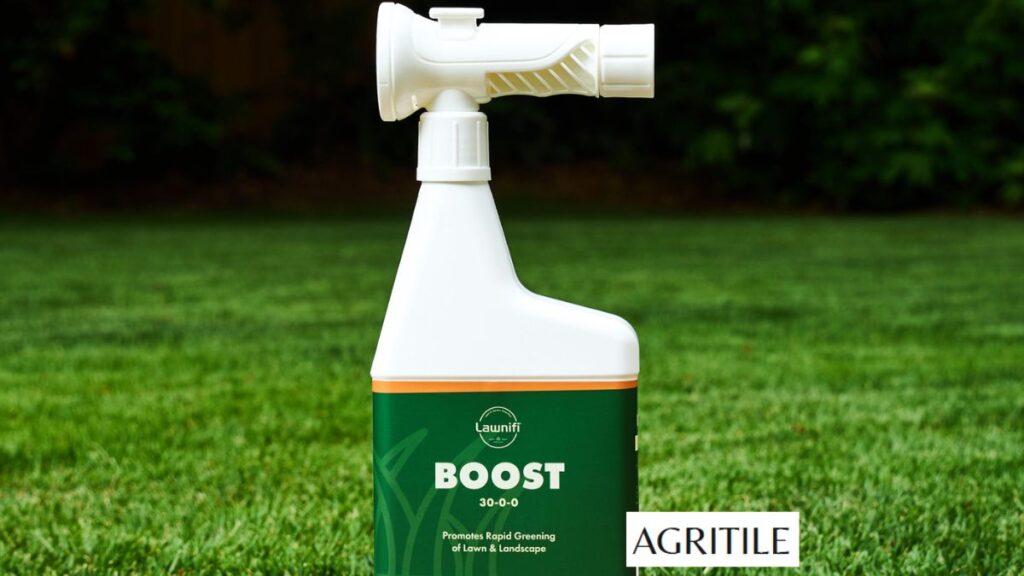
Liquid products are very fast because they enter through the leaf blades. This process is just like how human skin absorbs things quickly. You can see results in just a few hours or days. On top of that, these sprays are very easy to manage for small gardens.
However, you must remember that liquids do not last as long as granules. They are perfect for a quick pop of colour before a big event. You should use a mix of both types for the best long-term results throughout the season. Similarly, centipede liquid fertilizer is great for fixing iron issues fast.
How to Apply Centipede Liquid Fertilizer Step by Step
- Mow your lawn at its normal height before you start.
- Check the weather to ensure no heavy rain is coming.
- Mix the product in a hose-end sprayer at the correct rate.
- Walk steadily and use a fan motion to cover the area evenly.
- Water the lawn lightly after to push the nutrients into the soil.
You should walk backwards while you spray to avoid tracking wet grass. This also helps you manage your hose better as you move. Plus, you must avoid spraying any concrete or stone because iron can leave permanent stains. If you do hit the sidewalk, you should rinse it off immediately.
What Fertilizer Does Centipede Grass Need to Stay Green?
Many farmers wonder what fertilizer does centipede grass need to keep that apple green hue. Nitrogen is the main driver of growth and colour. Though, too much of it will cause excess thatch and make the grass weak. You should aim for a slow-release nitrogen source to prevent sudden growth spurts.
Iron is also a key player in lawn health. Centipede often looks yellow because of an iron deficiency called chlorosis. This usually happens when the soil pH is above 6.0. At that time, the iron becomes locked in the soil and the roots cannot reach it.
Tips and Tricks to Avoid Fertilizer Burn
Fertilizer burn is actually a form of drought stress caused by too much salt. You will see brown streaks or scorched patches if you use too much. First of all, you should never fertilize a dry or heat-stressed lawn. Always make sure the grass is healthy and has enough water first.
You should also avoid overlapping your spray patterns too much. This creates a “checkerboard” of burned grass that looks terrible. Additionally, you must follow the label instructions on the bottle exactly. If you spill any product, you should flush the area with lots of water right away.
| Issue | Cause | Fix |
| Yellow Blades / Green Veins | Iron Deficiency | Apply Liquid Iron |
| Uniform Yellowing | Nitrogen Deficiency | Apply Nitrogen Fertilizer |
| Brown Streaks | Fertilizer Burn | Flush with Water |
You should watch for recovery after you flush the soil. If the grass does not grow back in a few weeks, you might need to resod the area. Therefore, it is always better to use too little fertilizer than too much.
Can You Fertilize Centipede Grass in the Winter?
The short answer is no. You should never fertilize while the grass is dormant from December through February. At that time, the grass is not growing and cannot use the nutrients. Can you fertilize centipede grass in the early spring? Only after the lawn is 100% green and the soil is warm.
Applying food too early can cause a lot of stress to the plant. You might see yellowing or even death if you push growth during a cold snap. Later, in the fall, you should also stop all nitrogen use to let the grass prepare for winter. A potassium-rich feeding in late summer is the only thing you might need for winter prep.
The Role of Liquid Iron in Solving Yellowing Issues
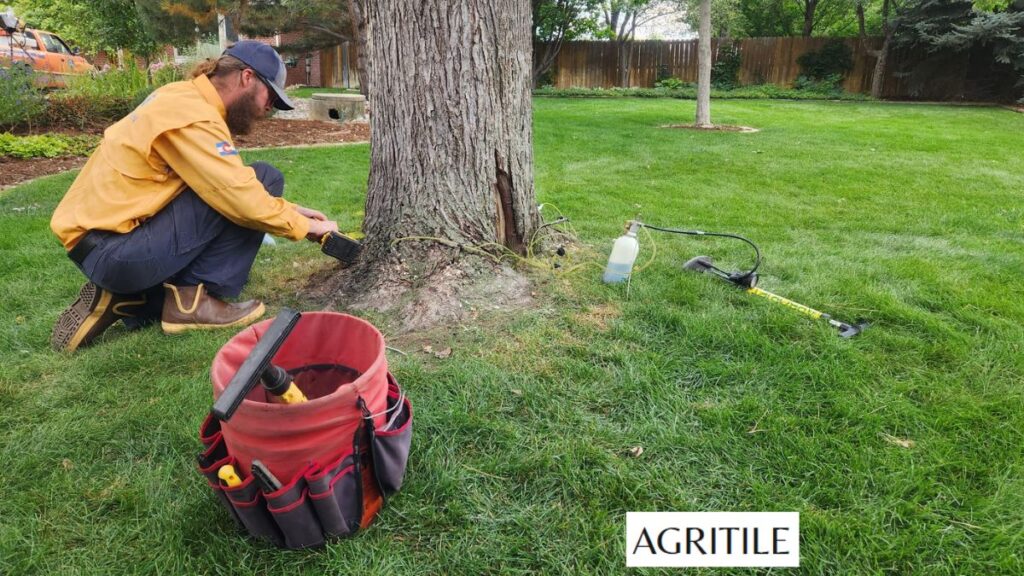
If you ask what kind of fertilizer for centipede grass fixes yellowing, the answer is often liquid iron. This product works fast because it supports chlorophyll production directly. Most gardeners see a deeper green in just two to three days. It is the perfect finishing step for a beautiful yard.
Chelated liquid iron is the Best Liquid Fertilizer for Centipede Grass Growth Tips for high pH soils. Standard iron sulfate will just bind up and fail in alkaline dirt. The chelated version stays liquid and ready for the roots to drink. Plus, it is very gentle and will not burn your turf like some granular products.
Comparing Liquid and Granular Options for Your Farm
Granular fertilizers are usually cheaper and stay in the soil longer. They have a coating that lets the food out slowly over four to eight weeks. However, they can be messy and get into your flower beds or driveway. You also need a spreader to apply them correctly.
Liquids are much easier to apply with a simple hose attachment. They give you more control and act almost instantly. On the contrary, they cost a bit more and you have to apply them more often. Many pros use a mix of both to get the fast green of liquid and the long life of granules.
Maintaining Your Centipede Lawn Through the Seasons
A good plan is the key to a lush yard all year long. In the spring, you should focus on pre-emergent weed control and waiting for green-up. June is the best time for your main nitrogen feeding of about 0.5 pounds per 1,000 square feet. At that time, the grass is growing fast and can use the fuel.
During the hot summer, you must water your lawn enough to keep it from wilting. One inch of water per week is usually perfect. Finally, in the fall, you should mow high and avoid all nitrogen. This simple cycle will keep your centipede healthy for many years to come.
FAQ’s
What is the best N-P-K ratio for centipede grass?
The most common and helpful ratio is 15-0-15. This provides a balanced mix of nitrogen for green colour and potassium for strength without adding phosphorus. Centipede grass usually has enough phosphorus in the soil already.
When is the best time to apply liquid fertilizer?
You should apply it from mid-spring to late summer. Wait until the grass is completely green in May before you add any nitrogen. Late applications in the fall can hurt the lawn as it tries to go dormant.
Why is my centipede grass turning yellow?
This is usually a sign of iron deficiency or too much phosphorus. It can also happen if your soil pH is too high, which locks up the iron. A liquid iron spray can often fix this in just a few days.
How much nitrogen does my lawn actually need?
Centipede is a low-maintenance grass that only needs 0.5 to 2 pounds of nitrogen per 1,000 square feet each year. Using more than this can lead to centipedegrass decline and dead patches.
Can I use a weed and feed product?
Yes, but you must be careful to choose one made for centipede. A product like Ferti-Lome Centipede Weed and Feed 15-0-15 is a good choice. Always check that the nitrogen level is low enough for your grass type.
Is liquid fertilizer better than granular?
Both have benefits for your farm. Liquid is fast-acting and easy to apply but does not last as long. Granular is slow-release and cheaper but can be messy and takes longer to show results.
How do I fix fertilizer burn?
You should water the area deeply right away to wash out the excess salts. Continue to water the spot every day for about a week. If the grass dies, you will have to replant that section with new sod or seed.
Does centipede grass like acidic or alkaline soil?
It loves acidic soil with a pH between 5.0 and 6.0. If the soil is too alkaline, the grass will turn yellow and grow poorly. You can add sulfur to lower the pH if your soil test says it is too high.
What are common pests for this grass?
The most frequent pests are mole crickets, spittlebugs, and ground pearls. You should also watch out for nematodes and grub worms. Proper fertilization helps the grass stay strong enough to fight off these bugs.
Should I bag my grass clippings?
No, you should leave them on the lawn unless they are in thick clumps. The clippings break down and return natural nitrogen to the soil. This helps you use less fertilizer over time and keeps the soil healthy.
Concluding Words
Using the Best Liquid Fertilizer for Centipede Grass Growth Tips is the easiest way to have a beautiful lawn. You should always start with a soil test to know exactly what your yard needs.
This helps you avoid the high costs of over-fertilizing and keeps your grass safe from burn. Remember that less is often more with this specific turf type. With the right liquid products and a simple schedule, your yard will be the greenest on the block.