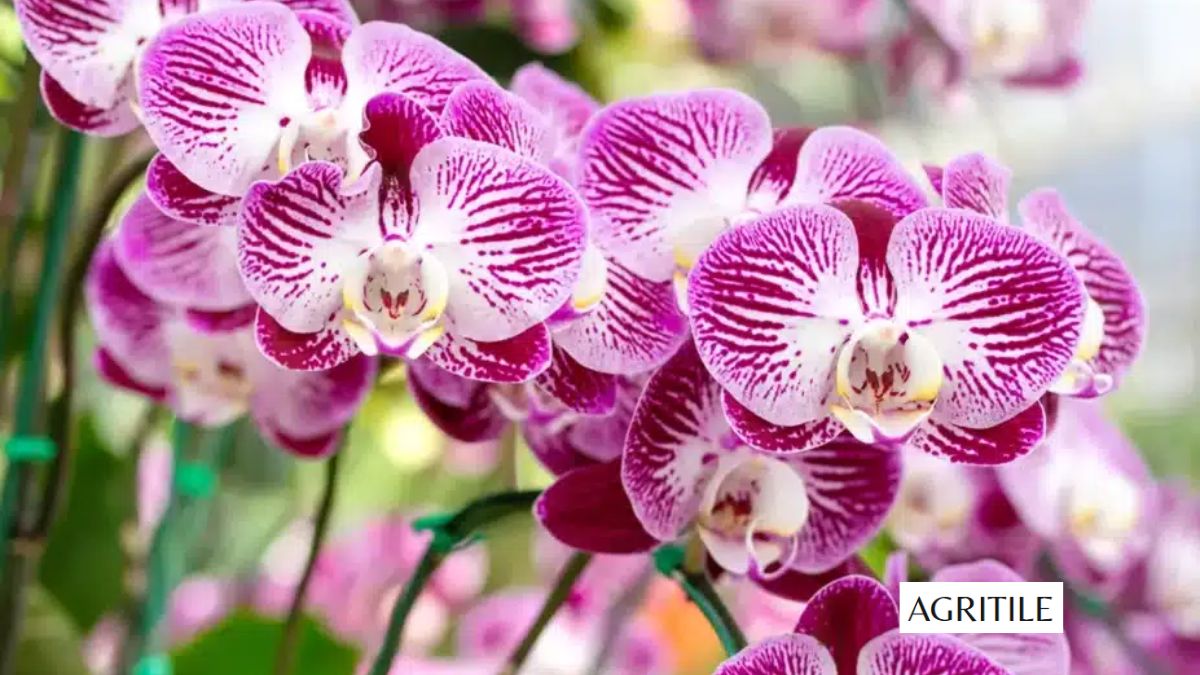
Orchids act like that one talented friend who only sings when the vibe and lighting are exactly right. You might provide the perfect light and the right heat, but the plants still stay as green leaves only. This happens because most orchids do not grow in soil but live in bark or moss instead. These materials have almost zero natural food for the roots of your plants. Therefore, you must provide a boost to see those legendary flowers. The Best Liquid Fertilizer for Orchids for Bigger Blooming provides the exact minerals your plants crave.
Many experts suggest that a consistent feeding plan is the secret to a healthy garden. In the wild, these plants grab bits of decaying matter from tree branches when it rains. Your home is a much cleaner place, so the orchid runs out of its own food storage fast. You need to understand the science of plant food to avoid common mistakes. This article explores how you can use the Best Liquid Fertilizer for Orchids for Bigger Blooming to transform your collection. We will look at real experiences and data to help you succeed.
- Weakly, Weekly Rule: Most growers find that a light dose of food every week works much better than a heavy dose once a month.
- Nitrogen Forms Matter: Orchids prefer nitrate nitrogen over urea because they can absorb it much faster through their roots.
- Flush the Salts: You must run plain water through the pots once a month to wash away chemical salts that kill sensitive roots.
What is the Best Liquid Fertilizer for Orchids for Bigger Blooming?
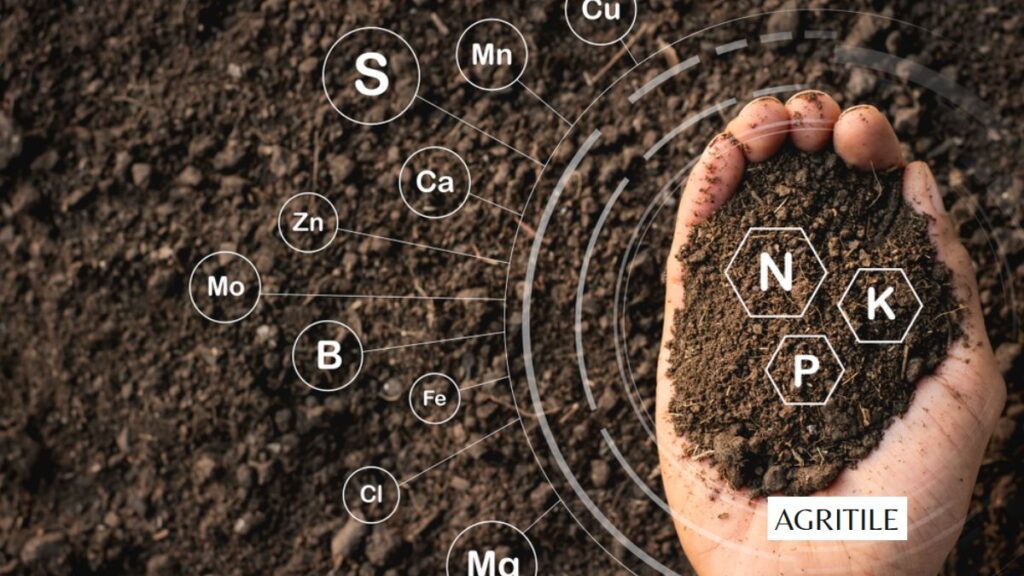
The Best Liquid Fertilizer for Orchids for Bigger Blooming is a mix that offers a balanced NPK ratio and extra minerals. Nitrogen helps the leaves grow, while phosphorus and potassium push the plant to make flowers. However, simple plant food from a grocery store often contains urea. Orchids struggle to use urea because they lack the microbes found in regular soil to break it down. MSU Orchid Fertilizer is often called the gold standard by professionals. This formula was made at Michigan State University to work perfectly with pure water or tap water.
Additionally, you should look for fertilizers that include calcium and magnesium. These two minerals prevent yellow leaves and black root tips. A product like CALCIMAG is great because it has fifteen percent nitrogen and twenty-two percent calcium. These elements build a strong frame for the plant so it can hold heavy flower spikes. Plus, liquid versions are very easy to mix and apply without making a mess. Most agriculturists prefer liquids because the plants absorb them almost instantly.
Importance of Using the Right Nutrients for Your Plants
Your orchids are not like tomatoes or grass that grow at a fast pace. They take their time to build roots and leaves before they even think about blooming. If you use a heavy hand with fertilizer, you might cause root burn. This happens when salts build up and dry out the sensitive velamen covering on the roots. Fertilizer burn can kill a plant if you do not catch it early. You will see brown tips on the roots or a white crust on the top of the bark.
On top of that, the phase of growth changes what the plant needs. During the summer, your orchid wants nitrogen to make new green parts. When the weather cools down, it needs more phosphorus and potassium to start a flower spike. Using the Best Liquid Fertilizer for Orchids for Bigger Blooming at the right time ensures you do not waste money. Farmers who track these cycles see much larger harvests of flowers. Consistency is always more important than a sudden burst of high-strength food.
How to use liquid fertilizer for orchids safely
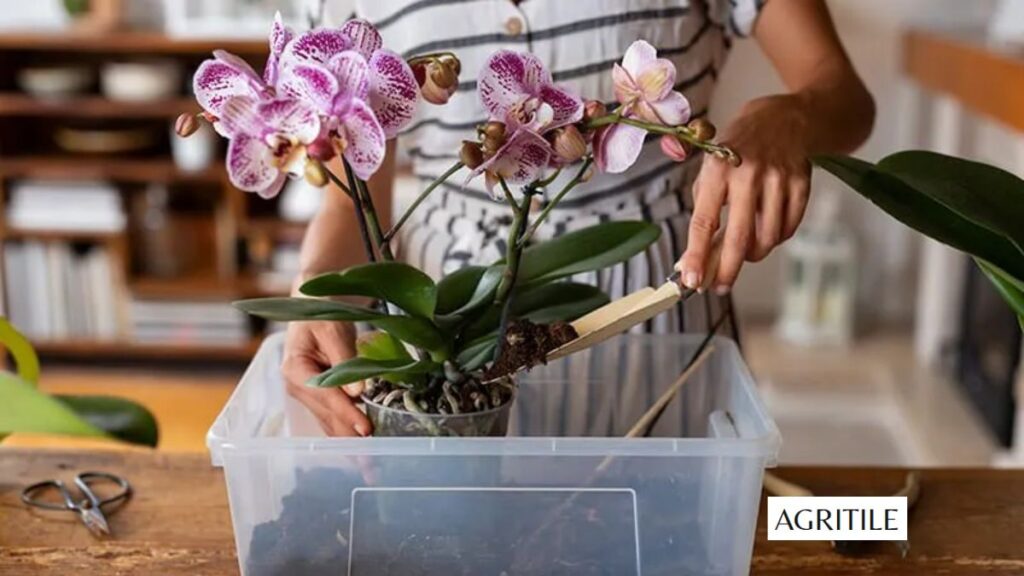
You should never pour fertilizer onto dry roots because it is like putting hot sauce on a sunburn. The first step is to water your orchid with plain, room-temperature water. Wait about five or ten minutes so the roots can soak up the moisture and soften. This simple trick protects the roots from chemical shocks. After that, you can apply your diluted fertilizer solution. Ensure the liquid runs freely out of the drainage holes at the bottom of the pot.
| Step | Action | Why it Matters |
| 1 | Water first | Hydrates roots to prevent chemical burns. |
| 2 | Mix fertilizer | Dilute to 1/4 or 1/2 strength for safety. |
| 3 | Apply solution | Delivers food directly to the hydrated roots. |
| 4 | Drain well | Prevents root rot from standing water. |
Gradually, you will see the roots turn green and thick. Always use a weaker mix than what the label says on the bottle. If the label says one teaspoon, you should use only one-quarter of a teaspoon. This “weakly, weekly” method keeps a steady flow of food without the risk of salt buildup. Finally, make sure the water is not too hot or too cold for the plant. Orchids like temperatures that are comfortable for humans.
Which fertilizer is best for orchids: Organic vs. Synthetic?
Many gardeners debate if organic tea is better than laboratory-made salts. Synthetic fertilizers like Jack’s Classic or MSU offer very precise numbers. You know exactly how much nitrogen your plant gets every time. These are great for farmers who need predictable results. However, organic options like compost tea bring life to the pot. They add beneficial microbes and fungi that help the plant fight off diseases.
Similarly, seaweed extract is a favorite tool for advanced orchid growers. Seaweed contains natural hormones called cytokinins. These hormones act as growth dispatchers that tell the plant to make more side roots. A dense web of roots means the plant can drink more water and eat more food. On the contrary, some organic mixes can smell a bit earthy or stain your floors. You might want to use these outdoors or in a garage. Both types can work well if you follow the instructions.
Best homemade liquid fertilizer for orchids you can try
You can make a microbial superfood right in your backyard. First of all, you need a five-gallon bucket and an aquarium air pump. Fill the bucket with water but let it sit for twenty-four hours to remove chlorine. Later, put four cups of fresh worm castings into a porous bag. Add two tablespoons of molasses and two tablespoons of liquid kelp to the water. Turn on the air pump and let the mix bubble for a full day.
This compost tea will be full of living microbes that orchids love. The bubbles help the good bacteria grow fast so the tea smells sweet and earthy. You can use this as a root soak or even a spray for the leaves. Heavenly Orchids notes that plants often look more vibrant just minutes after a foliar feed. This is a great way to use the Best Liquid Fertilizer for Orchids for Bigger Blooming in a natural way. Plus, it is very cheap to make if you have a compost pile at home.
Best liquid fertilizer for phalaenopsis orchids specifically
Phalaenopsis orchids are the most common plants found in shops today. They do not have a true rest period like some other types, so they need light food all year. Dyna-Gro Orchid-Pro is a top choice for these because it has a 7-8-6 NPK ratio. This balanced mix supports both the big, floppy leaves and the long-lasting flowers. You should still use the 1/4 strength rule to keep the roots happy.
Additionally, these orchids love high humidity and gentle air movement. You can place the pot on a tray of pebbles filled with water to boost the moisture in the air. Though they are tough, they will stop blooming if they do not get enough light. The leaves should be a light yellow-green color rather than a dark forest green. Dark green leaves often mean the plant is trying too hard to catch light and has no energy for flowers. Use the Best Liquid Fertilizer for Orchids for Bigger Blooming along with bright, indirect light for the best show.
What fertilizer should i use for orchids to prevent root burn?
You should choose a formula that is “Urea-Free” to protect your plants. Brands like Better-Gro Orchid Plus and FEED ME! MSU Orchid Fertilizer are safe bets. These products use nitrate nitrogen which is much gentler on the velamen. Also, the quality of your water changes how the fertilizer acts. If you use rain water or RO water, you need a “pure water” formula that adds back calcium.
| Fertilizer Name | NPK Ratio | Best Water Type |
| MSU RO/Rain | 13-3-15 | Rain or Distilled |
| Jack’s Professional | 12-3-15 | Soft Water |
| MSU Well Water | 19-4-23 | Hard Well Water |
| Better-Gro Plus | 20-14-13 | Most Tap Water |
If your water has a lot of lime or minerals, you should use an “acidic” fertilizer. This helps the plant actually reach the nutrients that are locked in the hard water. Therefore, knowing your water source is just as important as the food you buy. On top of that, always check for a white crust on the pot. That is a sign that you are using too much food or your water is too hard. The Best Liquid Fertilizer for Orchids for Bigger Blooming works best when it matches your local conditions.
Tips and tricks for a perfect feeding schedule
Follow the seasons to get the most out of your garden. During the spring and summer, your orchids are in their “eating season” and want food every week. When autumn arrives, the days get shorter and growth slows down. You should reduce feeding to every two or three weeks at that time. Finally, in the winter, many orchids go into a rest phase where they need very little or no food at all.
Also, you must observe the root tips of your plants. Active roots have bright green or reddish tips that look shiny. If the tips turn black or brown, you might be over-feeding or the pot is too dry. Similarly, do not fertilize a plant that is already sick or dehydrated. Fertilizer salts are hard on a thirsty plant and can cause more damage. Wait until the plant is hydrated before you start the feeding routine again. This patience will lead to a much healthier orchid in the long run.
Why flushing your pots is a secret to success
Salt buildup is a silent killer for many indoor gardens. Every fourth watering, you should skip the fertilizer and use only plain water. Run the water through the pot for at least ten seconds to wash everything out. This process brings fresh oxygen to the roots and clears out old minerals. It is like giving your plant a fresh start every month. Most beginners skip this step and wonder why their plants stop growing after a few months.
Additionally, repotting your plants every year or two is vital. Old bark can become “sour” and trap too many salts. When you repot, you can remove dead roots and give the plant fresh, airy material to grow in. Paph orchids especially love a fresh pot every single year. Fresh media and regular flushing make the Best Liquid Fertilizer for Orchids for Bigger Blooming much more effective. You will notice a big difference in the vigor of your plants when the roots can breathe.
The role of seaweed and marine secrets
Liquid seaweed extract is like a spa treatment for your orchids. It contains over sixty trace minerals and many vitamins that regular food lacks. The cytokinins in the kelp tell the plant to branch out its roots in a massive way. More roots mean the plant can support a much larger flower spike. You can use it as a spray on the leaves once a month for a quick boost.
On top of that, seaweed helps plants handle stress from heat or cold. If you just repotted your orchid, a kelp soak can help it recover faster. It is not a complete food on its own, so you should use it along with your regular fertilizer. Think of it as a vitamin supplement for your plants. Advanced growers swear by this marine secret to get those “explosive” results. Adding a bit of kelp to your routine is a pro move for any gardener.
FAQ’s
What is the weakly weekly method?
This means you use a very thin mix of fertilizer every time you water your plants. Instead of a full dose, you use 1/4 or 1/2 of the amount on the label. This gives the orchid a steady diet without burning the roots. It is much safer for slow-growing plants like orchids.
Can I use regular houseplant food for my orchids?
You should avoid regular plant food if it contains urea. Orchids cannot use urea well because they do not grow in soil with the right bacteria. Always look for a product labeled for orchids or one that is urea-free. This ensures your plant actually gets the nitrogen it needs.
How do I know if I am over-fertilizing?
Look for a white or brown crust on the potting mix or the rim of the pot. You might also see the tips of the leaves turning brown or the roots looking shriveled and black. If you see these signs, stop feeding and flush the pot with plain water for a few weeks.
Is tap water safe for orchids?
Tap water can be used, but you should let it sit out for twenty-four hours first. This allows the chlorine to evaporate so it does not hurt the roots. If you have a water softener, do not use that water because the sodium is toxic to orchids. Rainwater is usually the best choice if you can collect it.
Why do I need to water before fertilizing?
Wet roots are much less likely to get burned by the salts in the fertilizer. Watering first hydrates the velamen, which is the spongy skin on the roots. This allows the plant to absorb the food evenly and safely. It is a simple step that saves many plants from death.
When should I stop fertilizing?
You should stop or reduce food during the winter or when the plant is not growing new leaves. Some orchids need a dry rest to bloom and should not be fed during that time. Also, never feed a plant that is very dry or looks sunburned.
What are the three numbers on the fertilizer bottle?
Those numbers represent Nitrogen (N), Phosphorus (P), and Potassium (K). Nitrogen helps with green leaves, phosphorus helps with flowers, and potassium helps with overall strength. A balanced mix like 20-20-20 is a good starting point for most beginners.
How often should I flush the orchid pot?
You should flush the pot with plain water every fourth watering or at least once a month. This washes away any salt buildup that can kill the roots over time. Run the water for about ten to sixty seconds to be thorough.
Concluding Words
Finding the Best Liquid Fertilizer for Orchids for Bigger Blooming does not have to be a mystery. You just need to remember that orchids prefer small, regular meals over huge buffets. By using a urea-free formula and diluting it to one-quarter strength, you keep your plants safe. Always water your roots before you feed them to prevent nasty chemical burns. This simple habit will keep your collection looking vibrant and healthy all year long.
Additionally, do not forget the power of organic boosts like seaweed or compost tea. These natural secrets build a massive root system that supports bigger, brighter flowers. Consistency is the real key to success for any gardener or farmer. If you follow the “weakly, weekly” rule and flush your pots regularly, your orchids will reward you with spectacular blooms. Now is the perfect time to start your new feeding routine and watch your plants thrive. The Best Liquid Fertilizer for Orchids for Bigger Blooming is waiting to transform your garden today.