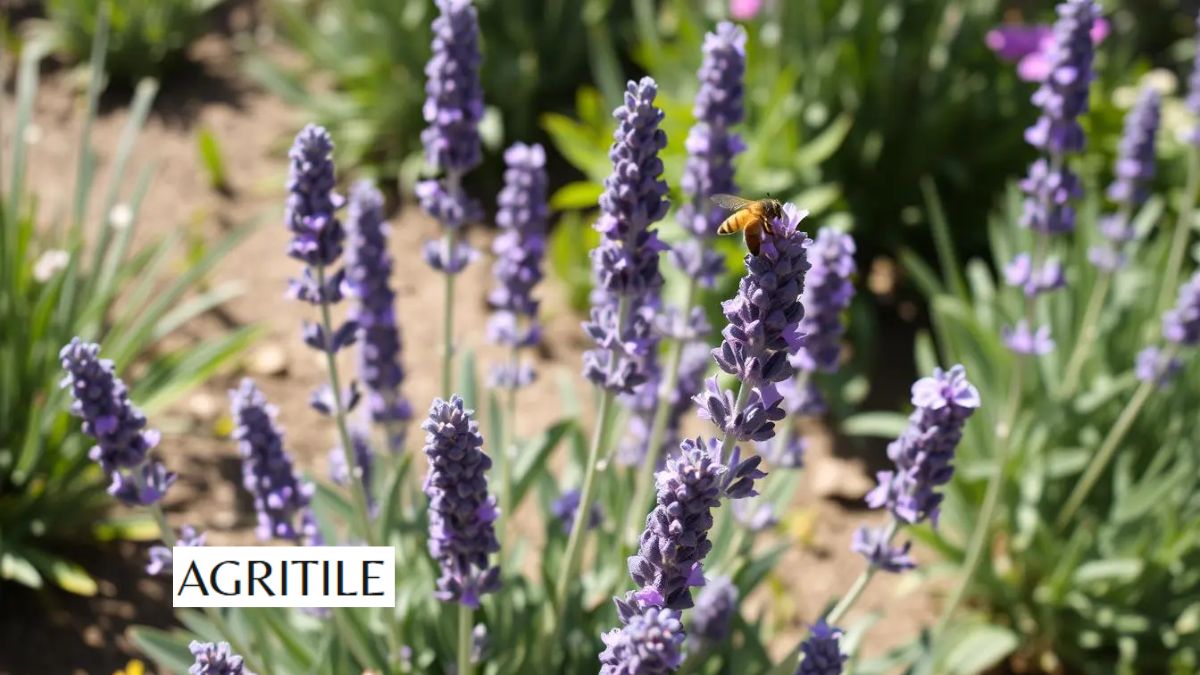
It is a joy to see a garden full of purple flowers and sweet smells. You probably want the Best Liquid Fertilizer for Lavender Plants to make your garden pop. Lavender comes from the hot and rocky Mediterranean area where the soil is quite poor. This means these plants are tough and do not need a lot of food to stay happy. On top of that, too much food can actually hurt your plants and stop them from smelling good.
Most people think more food is better for plants. However, lavender is different because it likes to struggle a little bit. You need to be very careful when you pick a product to use. The Best Liquid Fertilizer for Lavender Plants should have low nitrogen to keep the stems strong and the flowers plenty. Additionally, a good liquid mix helps potted plants since they lose their food fast when you water them.
- Only feed your plants in the early spring time.
- Pick a mix that is low in nitrogen to avoid weak stems.
- Use liquid food at half or quarter strength for safety.
What Is The Best Liquid Fertilizer for Lavender Plants?
The market has many options for your garden. You might feel a bit lost with all the bottles on the shelf. The Best Liquid Fertilizer for Lavender Plants is usually an organic one with a lot of potassium. Organifer makes a great liquid option that has a 2-1-8 N-P-K ratio. This formula helps the plants grow big flowers and smell very strong.
Another top pick is Yates Thrive Natural Roses and Flowers. This product is good because it has extra potassium to help the blooms. You can also try Complete Grow 4-18-38 if you have plants in pots. Later, you will see that these liquid options are much easier for the roots to take in than hard pellets.
| Product Name | N-P-K Ratio | Key Benefit |
| Organifer | 2-1-8 | Better scent and flower density |
| Yates Thrive | High K | More blooms for garden shrubs |
| Complete Grow | 4-18-38 | Perfect for potted lavender health |
| DIY Mix | Varies | Cheap and very eco-friendly |
A table like this helps you see the differences fast. Each product has a special job for your green friends. On top of that, you must always check the label before you pour.
Importance Of Choosing The Right Plant Food
A wrong choice of food can lead to a disaster in your garden. Lavender does not like a lot of nitrogen. Too much nitrogen makes the leaves grow fast but the flowers stay small. On top of that, the stems might become soft and floppy. High nitrogen can also make the plant lose its wonderful smell.
Your goal is to have a bushy plant with many flower spikes. To reach this, you need a balance of phosphorus and potassium. Phosphorus helps the roots get strong in the ground. Potassium makes the flowers bright and the scent deep. Therefore, the Best Liquid Fertilizer for Lavender Plants focuses on these two over nitrogen.
How To Apply Best Liquid Fertilizer for Lavender Plants Step By Step
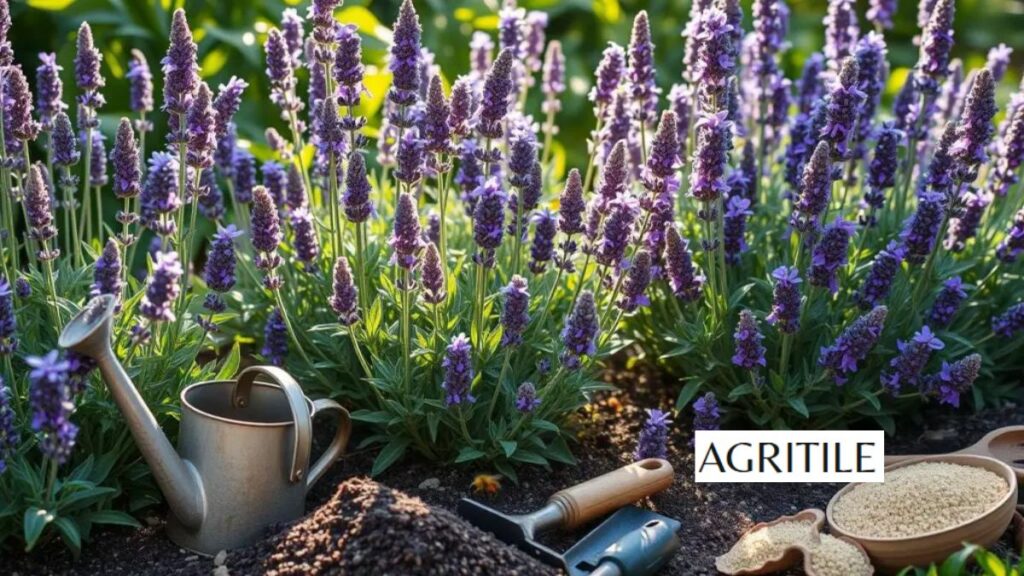
It is simple to feed your lavender if you follow a plan. First of all, wait for the early spring when you see new green growth. This is the perfect time for a boost.
- Water your plant first. Do this a day or two before you feed it to protect the roots.
- Dilute the mix. Use half or even a quarter of what the bottle says.
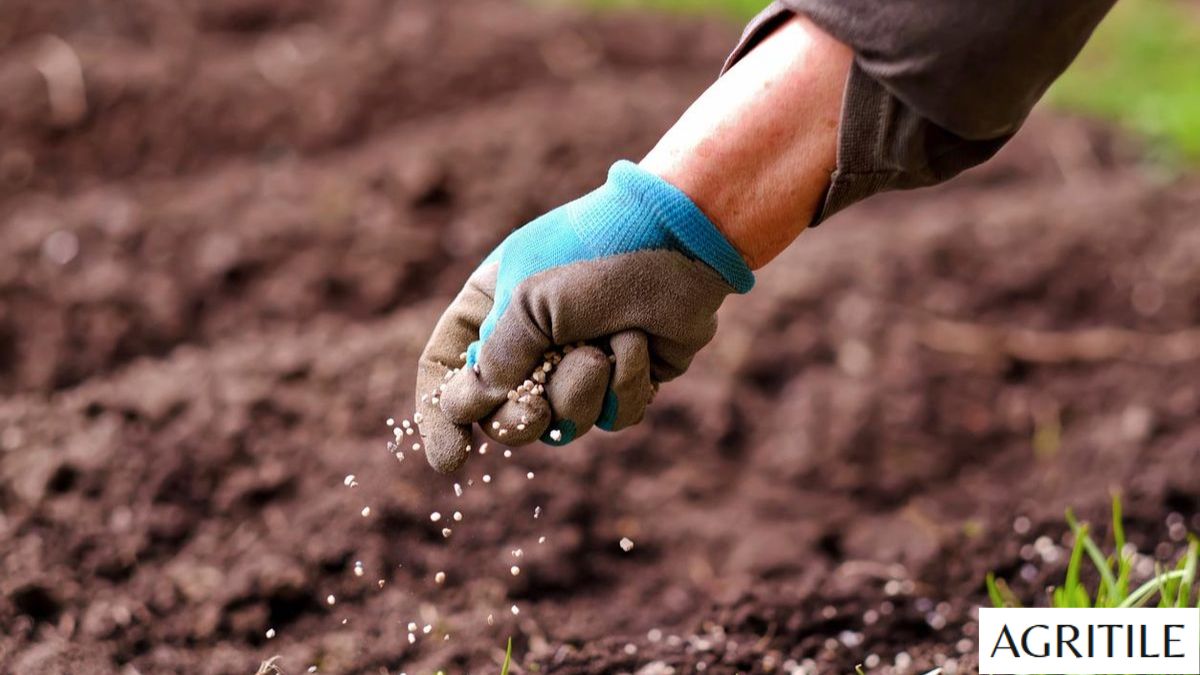
- Pour on the soil. Avoid the leaves and the wooden base of the plant to stop rot.
- Repeat only if needed. For pots, you can do this once a month until mid-summer.
A step-by-step approach saves your plants from stress. Always remember that less is more with these Mediterranean shrubs. Later, you will notice the difference in the flower count.
Should I Fertilize My Lavender Often?
You might wonder, should i fertilize my lavender every week like a tomato plant? The answer is a big no. Most lavender in the ground only needs food once a year. Too much attention can be a bad thing here.
If your soil is already rich, you might not need any food at all. Lavender loves a bit of neglect. On the contrary, if you feed it too much, it gets “leggy” and ugly. Only give it a snack if the growth looks pale or the flowers are very few.
Can You Fertilize Lavender In Pots?
A question many ask is, can you fertilize lavender when it lives in a container? Yes, you can and you probably should. Pots are different because the water washes the nutrients away fast. At that time, the plant has no other way to get its food.
A liquid food is best for pots because it goes straight to the roots. You can use the Best Liquid Fertilizer for Lavender Plants every three to four weeks in the growing season. However, you must stop by the middle of summer. This helps the plant get ready for the cold winter months.
What Kind of Fertilizer Is Good For Lavender In Gardens?
To pick the right one, you should look for the N-P-K numbers on the bottle. So, what kind of fertilizer is good for lavender exactly? Look for a ratio where the last two numbers are higher than the first one. For example, a 5-10-10 or 2-1-8 mix is a safe bet.
Organic options like kelp meal or bone meal are also very good. These break down slowly and do not burn the roots. Similarly, a thin layer of compost in the spring can give a gentle boost. Plus, it helps the soil hold just the right amount of water.
| Season | Best Action | Why? |
| Spring | Feed once | Supports new flowers |
| Summer | Water only | Avoids soft growth |
| Autumn | Prune | Keeps the shape tidy |
| Winter | None | Plant is sleeping |
Timing is everything. If you feed too late, the new growth will die in the frost. Therefore, follow the seasons closely to keep your garden safe.
Signs Your Lavender Plants Are Hungry
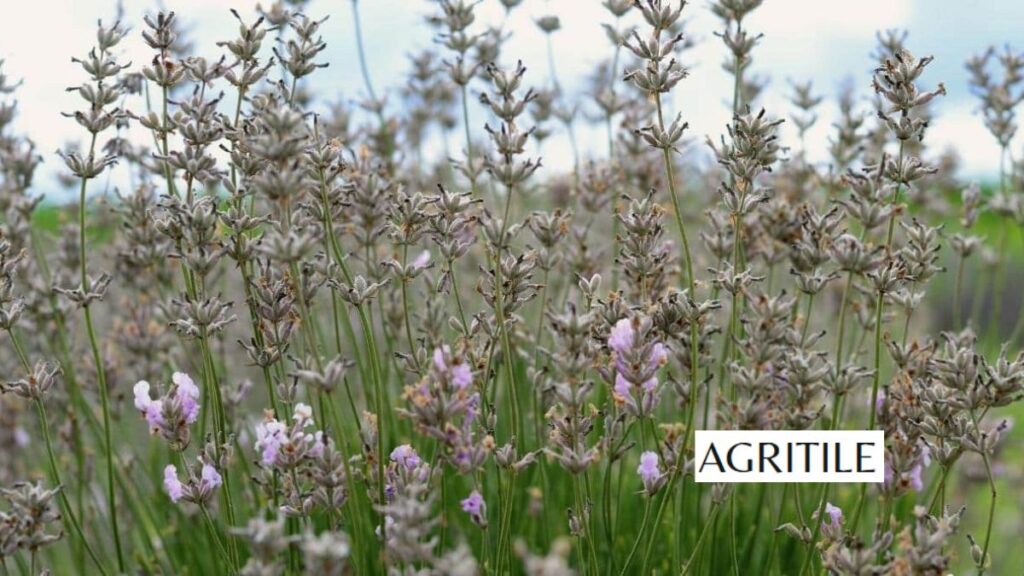
Sometimes your plants will tell you they need help. You should look for pale green or yellow leaves. This might mean the soil is out of food. Additionally, if a mature plant has very few flower spikes, it might be hungry.
But wait! Do not confuse hunger with wet feet. Yellow leaves can also mean the soil is too wet. Before you reach for the Best Liquid Fertilizer for Lavender Plants, check if the soil is dry. Good drainage is more important than any plant food.
Tips And Tricks For Better Blooms
- Check the pH. Lavender likes alkaline soil around 6.5 to 8.0.
- Add some lime. If your soil is too acidic, use liquid lime to fix it.
- Use seaweed. A seaweed foliar spray can help the plant handle heat and stress.
- Sun is king. Your plant needs at least 6 to 8 hours of sun to bloom well.
These small tricks make a huge difference over time. On top of that, you should prune your plant after it flowers. This keeps it from getting too woody and old. Gradually, your garden will become a sea of purple.
Common Problems If You Feed Too Much
Over-feeding is a top cause of lavender failure. The first sign is a lot of dark green leaves but no flowers. Later, the stems might start to flop over because they are too soft. This is often called “leggy” growth.
The roots can also get burned by too much salt in the fertilizer. This makes the plant turn brown and die. If this happens, you must flush the soil with lots of water to wash the salts away. It is better to be stingy than to be too generous here.
FAQ’s
Can I use coffee grounds for my lavender?
No, you should not use them. Coffee grounds are too acidic and have too much nitrogen for lavender. They might also make the soil too soggy.
When is the best time to feed my lavender?
The best time is early spring. Do this just as you see the first new green bits popping out. Never feed them in the fall or winter.
Why is my lavender getting leggy?
This usually happens because of too much nitrogen or too little sun. To fix it, give it more light and stop the fertilizer. You can also prune it back to help it get bushy again.
Does English lavender need a lot of food?
English lavender (Lavandula angustifolia) is very tough and needs very little food. In fact, it is the most sensitive to over-feeding. Often, it needs nothing but sun and good soil.
Is liquid fertilizer better than granules?
For pots, yes, liquid is better because it works faster. For the garden, a slow-release granule is often fine since it lasts longer. However, the Best Liquid Fertilizer for Lavender Plants is great for a quick health boost in spring.
How do I know if my soil is right?
You can buy a simple test kit to check the pH and nutrients. Ideally, you want a pH between 7 and 8. If it is too low, the plant cannot take in its food properly.
What should I do if I over-fertilize?
Stop all feeding immediately and water the plant deeply to flush the soil. You should also prune away any soft or rotting stems. Avoid planting lavender in that same spot for a while.
Can I make my own lavender food?
Yes, you can! A mix of seaweed extract and fish emulsion in water is a good DIY choice. Just make sure to dilute it a lot before you use it on your plants.
Does lavender need calcium?
Yes, lavender loves calcium and magnesium. These minerals keep the stems strong and the plant healthy. Many specialty fertilizers for lavender include these.
Why are my lavender leaves turning yellow?
This could be over-watering, poor drainage, or a lack of food. Check the soil moisture first. If the soil is dry and the plant is old, it might just need a light feed.
Concluding Words
Finding the Best Liquid Fertilizer for Lavender Plants is all about balance. You want a product that supports flowers without making the plant soft and weak. Always stick to the early spring for feeding and choose a low-nitrogen mix. Your lavender will thank you with a sea of purple blooms and a scent that fills the air. Happy gardening!