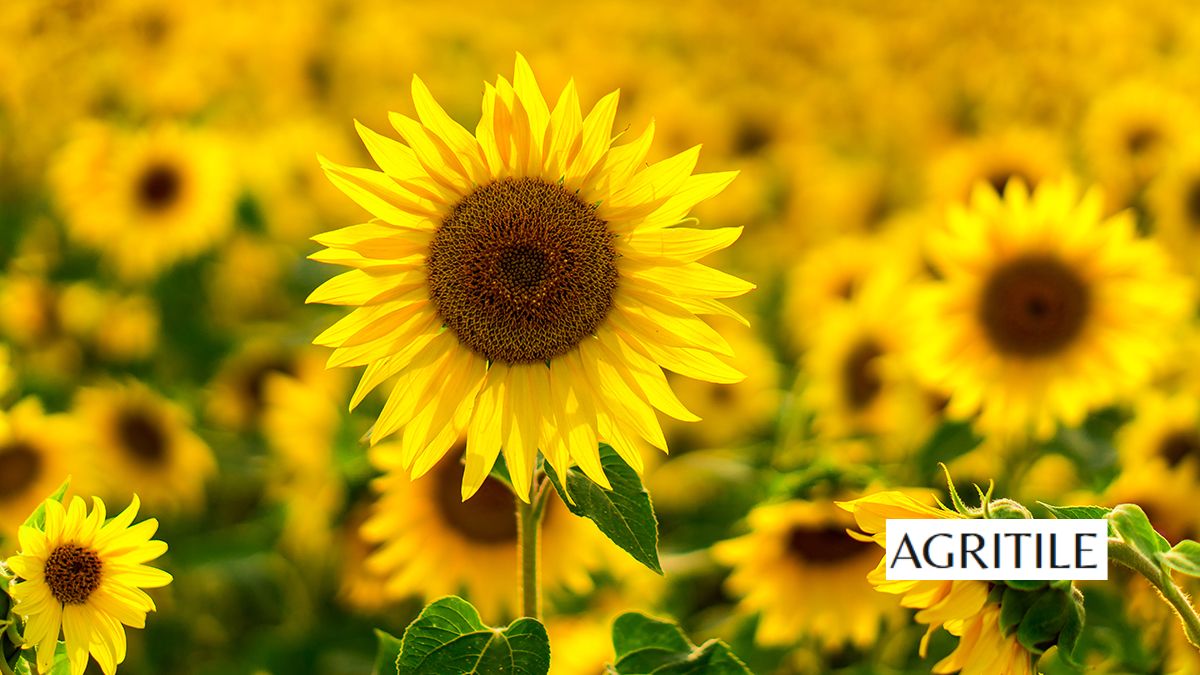
Sunflowers are the superstars of the summer garden. They reach for the clouds and make everyone smile. However, these giants have a secret. They are incredibly hungry all the time. You cannot just stick a seed in the dirt and hope for the best if you want those massive heads. You need a solid plan. This Best Liquid Fertilizer for Sunflowers Growth Guide will show you exactly how to feed these heavy eaters.
A lot of folks think any old plant food will work. That is not true. Sunflowers need different things at different times. For example, they crave phosphorus early on to build strong roots. Later, they want nitrogen and potassium to get tall and produce seeds. This article breaks down the science and the dirt-under-the-fingernails reality of cultivation.
- Sunflowers require specific NPK ratios at different growth stages to reach their full potential.
- Liquid fertilizers offer faster nutrient uptake and can solve deficiencies in just a few days.
- Soil health and drainage are just as vital as the fertilizer itself for preventing root rot and yellow leaves.
What is the Best Liquid Fertilizer for Sunflowers?
You might wonder what kind of fertilizer do you use on sunflowers to make them really pop. The answer is not just one bottle. The Best Liquid Fertilizer for Sunflowers Growth Guide highlights that a balanced approach is best. Early on, a high-phosphorus mix like 18-22-14 or 10-20-20 helps those roots take hold. This creates a strong foundation. Plus, the plant can then handle wind and weight much better.
Later in the season, the needs change. The plants want more nitrogen for those big leaves and potassium for the flower heads. A liquid option like a 4-18-38 ratio with added calcium and magnesium is a fantastic choice. This specific blend ensures the stems stay strong and the seeds fill out nicely. Additionally, liquid feeds are easy to apply with a simple watering can or a hose-end sprayer.
Importance of Liquid Nutrition for Big Blooms

Why go liquid? Liquid food hits the roots and leaves almost instantly. This is crucial because sunflowers grow so fast. They are like teenagers that never stop eating. If you use a liquid fertilizer for sunflowers, you can adjust the dose as you see them grow. You have more control. This is a big win for any gardener.
On top of that, liquid feeds often include micronutrients. Boron, zinc, and magnesium are the “secret sauce” for huge flowers. Boron, for instance, is essential for seed development. If your soil lacks these, your sunflowers might look stunted. Therefore, a high-quality liquid mix fills those gaps quickly. Similarly, it helps the plant fight off stress from heat or pests.
Table 1: Common NPK Ratios and Their Roles
| Growth Stage | Recommended NPK Ratio | Primary Benefit |
| Seedling | 10-20-20 or 18-22-14 | Root development and strength |
| Vegetative | 20-20-20 or 15-15-15 | Leaf and stem growth |
| Flowering | 4-18-38 or 17-6-25 | Seed set and flower size |
The table above shows how your feeding plan should evolve. You start with roots. You move to leaves. Finally, you focus on the bloom. This strategy ensures the plant has the right tools at the right time.
Step-by-Step: How to Feed Your Sunflowers Like a Pro
First of all, you must check your soil. Sunflowers like a pH between 6.0 and 7.5. If the soil is too alkaline, the plant cannot even “see” the nutrients you give it. Once the soil is ready, follow these steps for the best results:
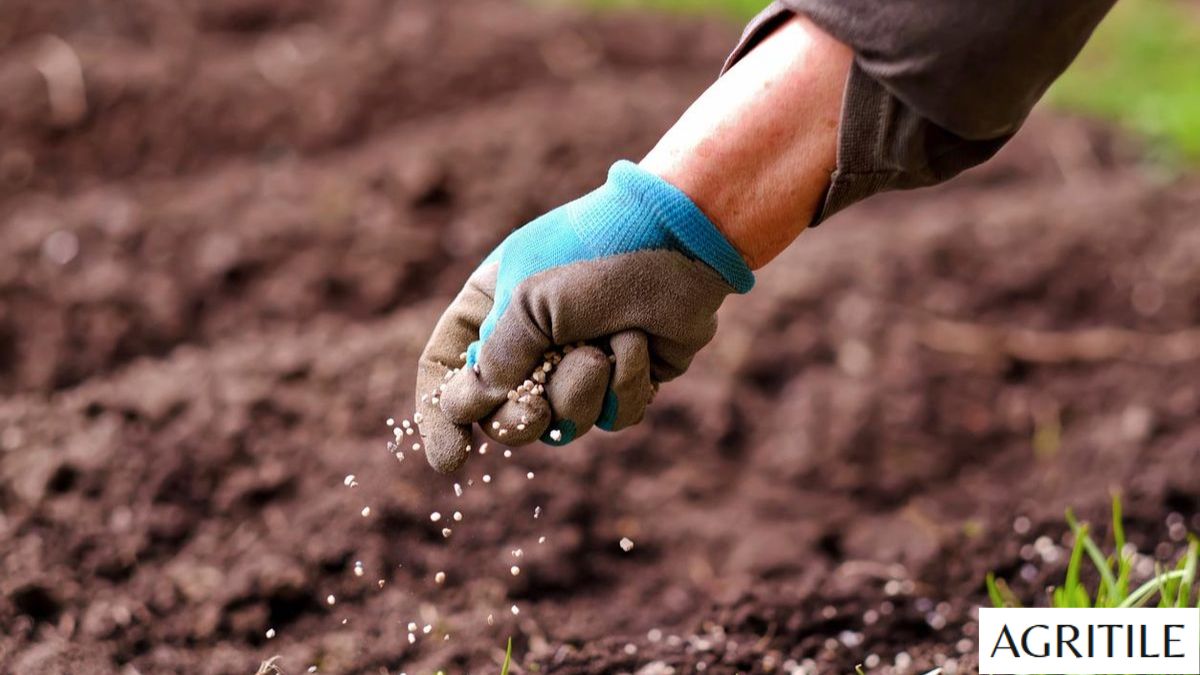
- Water the soil first: Never put fertilizer on dry dirt. This can burn the roots.
- Dilute the mix: Follow the label exactly. For example, fish emulsion often needs a 1:100 ratio with water.
- Apply early or late: Feed your plants in the morning or late afternoon. The midday sun can cause the liquid to evaporate too fast or burn the leaves.
- Target the base and leaves: Most liquid feeds work as foliar sprays too. This means the leaves can “drink” the food.
- Repeat often: During the peak growth phase, feed them every 7 to 10 days.
Gradually, you will see the stalks get thicker. The leaves will turn a deep, rich green. This is a sign that your liquid fertilizer for sunflowers is doing its job. Just be sure to stop feeding about 7 to 10 days before the flowers fully open. This helps the plant focus on the bloom rather than more leaf growth.
Homemade vs. Store-Bought: What Fertilizer is Good for Sunflowers?
You do not have to spend a fortune at the store. Many people ask, “what fertilizer is good for sunflowers?” Some of the best options come from nature. Compost tea is a famous choice. It is basically a “health boost” full of good microbes. You can make it by steeping compost in a bucket of water for about 36 hours. It is like a vitamin shot for the soil.
However, store-bought liquids have their perks. Products like fish emulsion are high in nitrogen, which is great for early growth. Seaweed extract is another winner. It contains growth hormones like auxins and cytokinins. These help the plant deal with transplant shock and heat. If you use them together, you get an unbeatable duo.
Troubleshooting: Why Are the Leaves Turning Yellow?
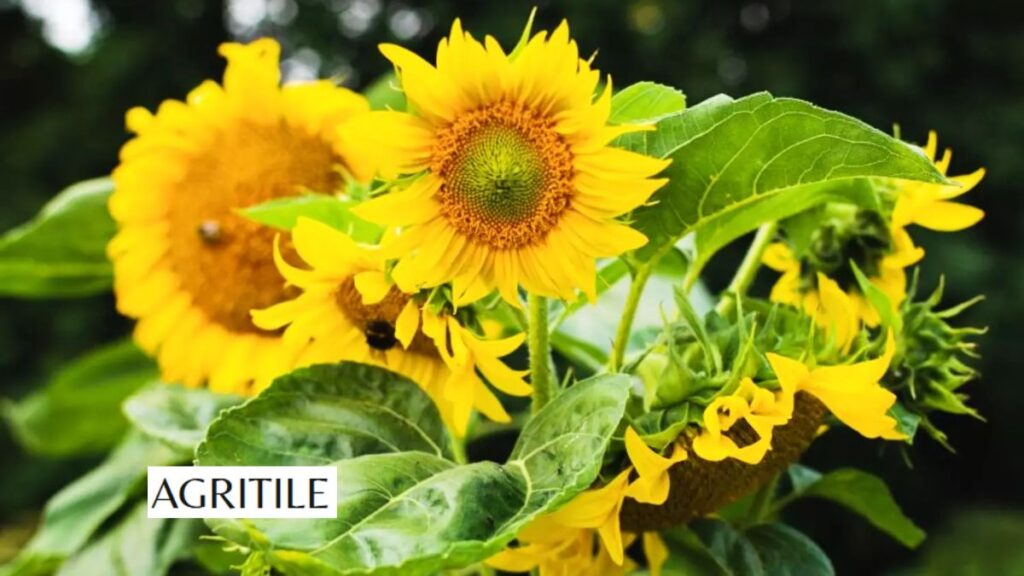
Yellow leaves are a cry for help. Most of the time, it is because of too much water. Sunflowers hate “wet feet.” If the soil stays soggy, the roots cannot breathe, and they start to rot. On the contrary, if the lower leaves turn yellow and the soil is dry, it might be a nitrogen deficiency. Nitrogen fuels the green color in leaves.
Additionally, look at the pattern. If only the new leaves are yellow, you might have an iron or magnesium problem. This often happens in alkaline soils. A quick fix is a foliar spray with chelated iron or a drench with Epsom salts for magnesium. Therefore, you must be a bit of a detective. Check the soil moisture three inches deep before you reach for the fertilizer bottle.
Table 2: Growth Timeline for Popular Pot Varieties
| Cultivar | Days to Flower | Expected Height (inches) |
| Big Smile | 52 days | 7.8 |
| Sundance Kid | 60 days | 19.6 |
| Sunspot | 61 days | 14.3 |
| Teddy Bear | 67 days | 15.8 |
| Pacino | 76 days | 23.5 |
This table helps you plan your feeding schedule. Faster varieties like ‘Big Smile’ need more intense feeding over a shorter time. Longer varieties like ‘Pacino’ require a steady supply for several months.
Tips and Tricks for Giant Sunflowers
You want to break a record? You need deep roots. Sunflowers can send a taproot down six feet if the soil is loose. Before you plant, use a pitchfork to break up any hard layers of dirt. Plus, add some organic matter like compost. This helps the soil hold on to the Best Liquid Fertilizer for Sunflowers you will be adding later.
Another trick is to use mycorrhizal fungi. You can mix this into the planting hole. It increases the root surface area by a huge amount. This means the plant can grab more water and food from the dirt. Also, space your plants out. They need air to breathe. If they are too crowded, they will fight for food and might get sick.
FAQ’s
Can I use any liquid fertilizer for sunflowers?
Yes, but you should look for one that matches the growth stage. A balanced 20-20-20 works for general growth, but a high-potassium blend is better for big flowers. Always check the NPK numbers on the bottle.
How often should I apply liquid fertilizer for sunflowers?
In most cases, every 7 to 14 days is ideal. If your sunflowers are in pots, you might need to feed them more often because the nutrients wash out of the soil faster.
Is fish emulsion the same as seaweed extract?
No, they are different but work well together. Fish emulsion is high in nitrogen for growth. Seaweed extract is full of hormones that help with stress and root development.
Why are the edges of my sunflower leaves brown?
This often signals “salt burn” from too much fertilizer. It could also mean the plant is thirsty. Try to flush the soil with plain water and cut back on the feeding for a week or two.
Can I spray liquid fertilizer directly on the leaves?
You certainly can. This is called foliar feeding. It is a great way to give the plant a quick boost, especially if the roots are struggling with poor soil.
Does compost tea really work as a fertilizer?
It is more of a soil health booster. It adds beneficial microbes and some soluble nutrients. While it is great, you might still need a regular liquid feed for those heavy-feeding giants.
Should I remove yellow leaves?
Only if they are mostly dead or diseased. If they are just a bit pale, they are still doing some work for the plant. Plus, removing too many leaves at once can stress the sunflower out.
When is the best time of day to fertilize?
The morning is best. This allows the leaves to dry before night, which prevents mold. Late afternoon is the second-best choice. Avoid the hot midday sun at all costs.
How do I know if my sunflower needs more nitrogen?
The older leaves at the bottom will turn pale green or yellow first. The rest of the plant might look a bit stunted. A quick dose of a high-nitrogen liquid will usually fix this in a week.
Can I over-fertilize sunflowers?
Absolutely. Too much food can cause weak, spindly stems or even kill the plant. It is always better to use a weaker mix more often than a strong mix once.
Concluding Words
Success with sunflowers is all about timing and the right food. This Best Liquid Fertilizer for Sunflowers Growth Guide has covered the basics and the pro tips. You must remember that these plants are living things that change every day. Watch them closely. If they look happy and green, you are doing a great job. If they look a bit sad, check the soil and the NPK levels.
Great gardens do not happen by accident. They are the result of a little love and the right nutrients. Use a good liquid fertilizer for sunflowers and give them plenty of sun. Soon, you will have a yard full of golden faces looking back at you. It is a rewarding hobby that pays off with every inch of growth. Now, get out there and start feeding those giants. Your sunflowers will thank you for the extra care. Happy gardening to everyone!