Farmers in Tennessee and researchers in Vietnam have spent years looking for the secret to huge greens. They found that the Best Liquid Fertilizer for Kale Growth involves a mix of high nitrogen and special seaweed extracts. Real data shows that a specific seaweed extract can jump the yield of organic kale by a large amount. This research is not just for books. It is for you.
You might see your kale plants look a bit pale in the winter. At that time, the soil is cold and regular food does not work well. Liquid options solve this because the plants can eat them right away. Additionally, studies show that a nitrogen level of 512.4 mg/L makes plants reach their peak height. However, too much will kill them. This article breaks down the science and the dirt-under-the-fingernails truth.
- Nitrogen is the king for leaves.
- Seaweed acts as a magic growth booster.
- Cold soil needs water-soluble food.
What is the Best Liquid Fertilizer for Kale Growth?
First of all, you need to know what kale actually wants to eat. It is a leafy green. Therefore, it is hungry for nitrogen. Nitrogen is the base for all plant cells and the green color you love. Plus, it helps the plant make proteins for new tissues.
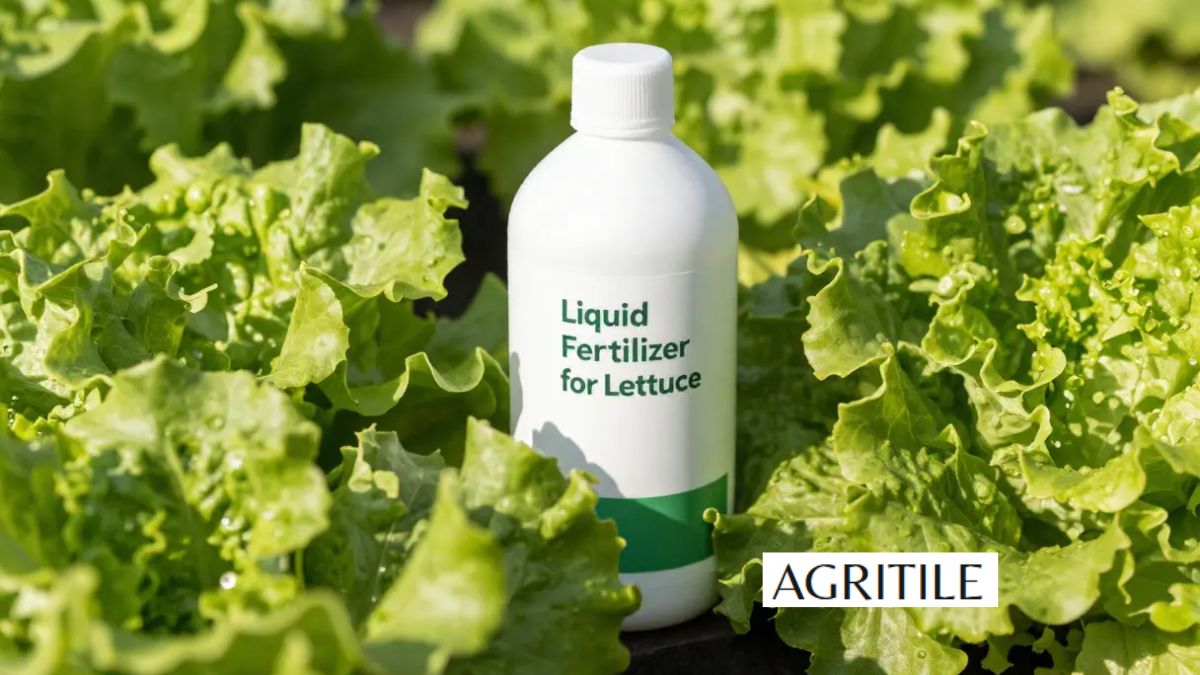
The Best Liquid Fertilizer for Kale Growth is often a high-nitrogen organic mix. Fish emulsion is a top pick here. It is fast and gives an immediate hit of food. Similarly, liquid seaweed or kelp is special because it has natural growth regulators. It helps the kale handle stress and taste better.
There are also synthetic options if you want a quick boost. A water-soluble NPK of 20:20:20 has shown great results in research trials. It makes the plants taller and the leaves wider. However, most home gardeners prefer the organic path for long-term soil health.
The Real Importance of Liquid Feeding
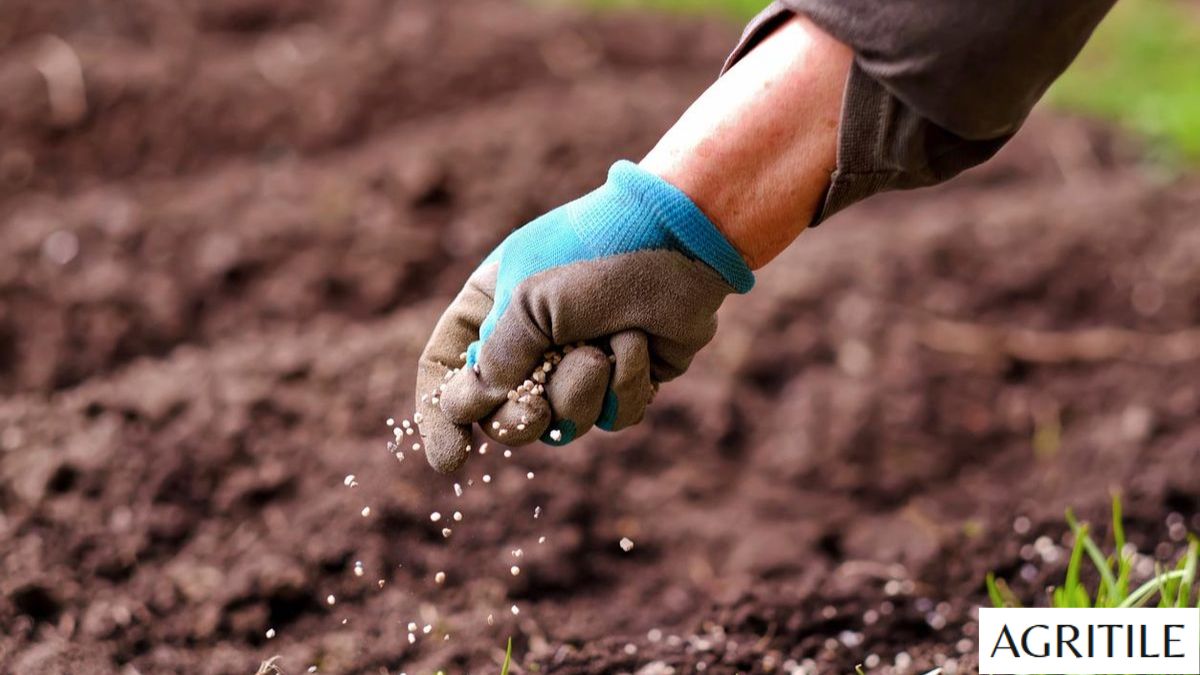
Why bother with liquids when you can just throw some pellets down? Well, plants can absorb food through their leaves much faster. Actually, they take it in eight to twenty times more efficiently than through roots. This is called foliar feeding. It is a game-changer for a quick green-up.
Liquid feeding is also vital when the weather gets cold. Granular organic food needs soil bugs to break it down. Those bugs go to sleep when the soil is chilly. On the contrary, liquid food is already “pre-digested” for the plant. Therefore, your winter garden can keep growing like a rocket.
Additionally, liquids allow you to be very precise. You can give the exact amount of nitrogen needed. This prevents you from wasting money. Plus, it keeps the environment safe from extra chemicals running off into the water.
Commercial Stars: Fish Emulsion and Seaweed
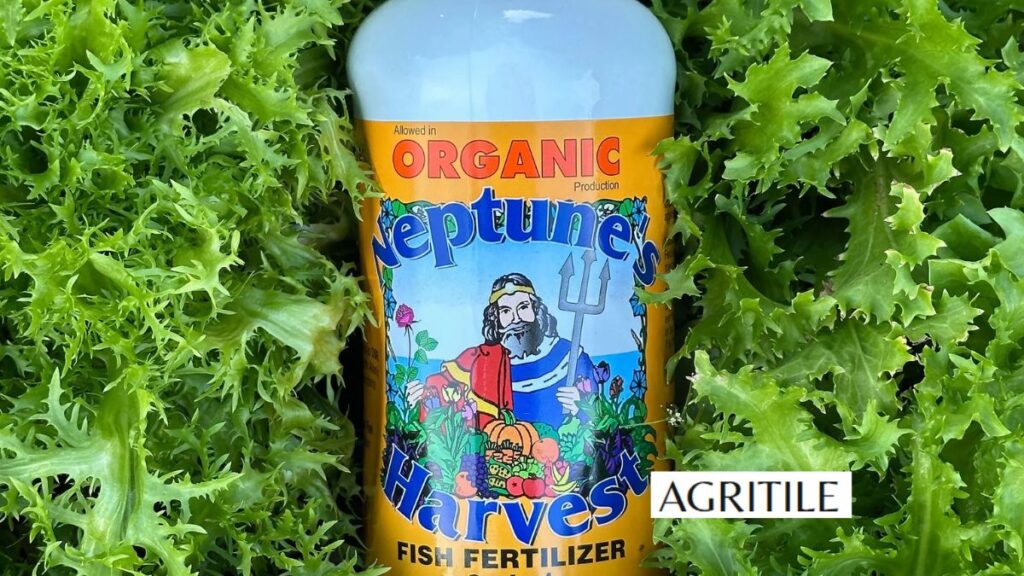
If you go to the store, you will see a lot of bottles. Fish emulsion is the old reliable. It comes from the parts of fish that people do not eat. It is rich in nitrogen, potassium, and phosphorus. Additionally, it has trace elements like calcium and sulfur.
Liquid seaweed is the other superstar. It is not just a fertilizer. It is a “biostimulant”. Studies using a brand called Stimplex showed kale plants grew much more vigorous. It helps the plant handle heat, cold, and drought. Later, you will notice the leaves are smoother and have better color.
You can also find balanced blends. For example, a 2-1-8 organic liquid formula is great for keeping growth compact and steady. It prevents the kale from getting too “leggy” or bitter. Check out this data on how different NPK levels affect curly kale growth.
Table 1: Performance of NPK Levels on Curly Kale
| Treatment Level | Plant Height (cm) | Leaf Area (sq cm) | Yield per Plot (kg) |
| No Fertilizer (Control) | 19.77 | 85.59 | 1.18 |
| 5% NPK (20:20:20) + 75% RDF | 27.91 | 96.80 | 1.26 |
| Standard Recommended Dose | 20.91 | 87.15 | 1.19 |
Data adapted from trial results showing that a mix of liquid NPK and soil base performs best.
This table shows a clear win for liquid NPK supplements. The plants grew nearly 30% taller than the control group. However, you must use it in the right dose. Additionally, the leaf area increased, which means more food for your kitchen.
How to Mix and Apply Liquid Nutrients Step by Step
Do not just pour the concentrate on your plants. You will burn them. You must follow a plan. First of all, get a clean watering can or a sprayer.
- Check your soil first with a simple test kit.
- Mix about half an ounce of fish emulsion with one gallon of water.
- Add a teaspoon of liquid kelp to the mix for trace minerals.
- Stir it very well so it is all one liquid.
- Water the plants at the base or spray the leaves early in the morning.
You should do this every two to three weeks. Plus, try to do it on a cloudy day if you are spraying the leaves. This prevents the sun from burning the wet foliage. Gradually, you will see the kale take off.
Real-World Analysis: NPK Ratios for Massive Leaves
What do those numbers on the bottle mean? N-P-K stands for Nitrogen, Phosphorus, and Potassium. For kale, you want a high first number. A ratio like 20-10-10 or 10-5-5 is perfect for leafy growth.
However, the Best Liquid Fertilizer for Kale Growth needs a balance. Phosphorus helps the roots get strong early on. Potassium keeps the plant tough against diseases and bugs. Therefore, a total score of 2-1-8 or 5-5-5 can also work if your soil is already good.
Actually, look at how nitrogen concentrations changed things for purple kale. Researchers found a “sweet spot” for both size and health.
Table 2: Nitrogen Impact on Purple Kale (at 70 Days)
| Nitrogen Dose (mg/L) | Plant Height (cm) | Fresh Weight (g) | Quality (Vitamin C/Sugar) |
| 170.8 (Control) | 29.68 | 35.34 | Good |
| 341.8 | 31.60 | 60.18 | Best Quality |
| 512.4 | 36.70 | 68.93 | Max Growth |
| 683.2 | 0.00 | 0.00 | Plant Death |
Analysis shows that higher nitrogen helps growth until it becomes toxic.
This data tells a big story. You can double the weight of your kale by increasing nitrogen. But, if you go too far, the plant dies. Therefore, you must stay in the middle ground for the best results.
Expert Tips and Tricks for Lush Kale
Do you want a pro secret? Use molasses. Molasses feeds the good bugs in the soil. Those bugs then help the plant eat the fertilizer. Add about a tablespoon to your gallon of mix.
Also, try rice water. Instead of throwing it down the drain, use it on your kale. It is a free liquid food that strengthens roots. Plus, it is very gentle. Similarly, leftover coffee grounds can be soaked in water to make a quick nitrogen tea.
Finally, pay attention to the color. If the leaves are dark green, they are happy. If they start to fade or turn yellow, they need a snack. But do not wait for them to look sick. A steady feeding schedule is much better than a quick fix.
Troubleshooting Kale Nutrient Problems
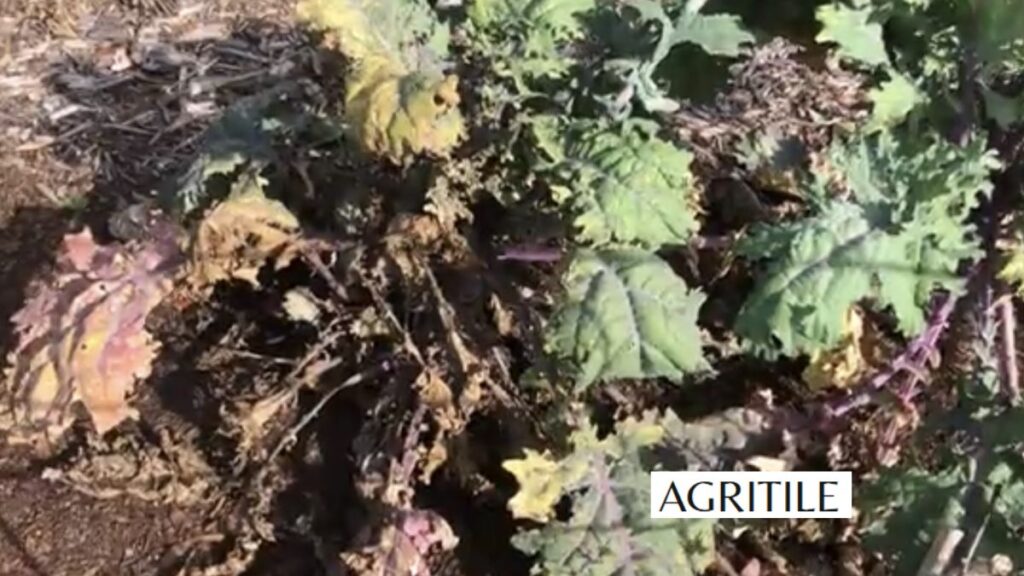
Sometimes things go wrong. If your kale has purple tints on the old leaves, it needs phosphorus. If the edges look burnt, you might have used too much fertilizer. This is called nitrogen burn. It happens when the salts in the food pull water out of the plant.
If you see this, stop feeding. Water the plants a lot to wash away the extra salts. On the contrary, if the leaves are yellow and the plant is small, it is starving. That is the time to bring in the fish emulsion.
Also, watch for bugs. Healthy, well-fed plants can fight off aphids and mites better. If you use vermicompost tea, it can actually stop pests from wanting to eat your leaves. It is like a shield for your garden.
Making Your Own: The DIY Liquid Feed Path
You do not have to buy expensive bottles. You can make the Best Liquid Fertilizer for Kale Growth in your backyard. Compost tea is the classic choice. You just soak good compost in water for about twenty-four hours.
- Fill a bucket with ten parts water and one part compost.
- Add an air pump if you have one to keep the microbes alive.
- Let it sit for a day until it smells like sweet earth.
- Strain it and use it right away.
You can also use fish scraps. If you bury a fish under your plant, it works slowly. But if you blend it with water and some sugar, it becomes a fast-acting liquid. It smells bad at first, but your kale will love it.
Winter vs Summer Fertilizing Strategies
Temperature is everything. In the summer, your soil is full of life. You can use granular food, and it will work fine. However, in the winter, you must switch to liquids.
Also, the sun is weaker in winter. Plants grow slower. Therefore, they do not need as much food as they do in the spring. Plus, if you give too much nitrogen in the dark winter months, the leaves can get soft and weak.
Adjust your schedule. In the summer, feed every two weeks. In the deep winter, you might only need it once a month. Just listen to what the plants are telling you. They will show you with their color and size.
FAQ’s
What is the NPK ratio for the Best Liquid Fertilizer for Kale?
A ratio of 20-10-10 or 10-10-10 is usually best. High nitrogen is the main goal for leafy greens. Organic options like fish emulsion often have lower numbers like 5-1-1, but they are very effective.
How often should I apply liquid fertilizer to my kale?
You should feed them every 2 to 3 weeks during the main growing season. If the soil is very sandy, you might need to do it more often. In the winter, you can slow down to once a month.
Can liquid fertilizer burn my kale leaves?
Yes, if it is too strong. You must always dilute commercial concentrates like fish emulsion with water. Organic fish fertilizer is usually safer than synthetic salts, but you should still be careful.
Is seaweed extract better than regular fertilizer?
Seaweed is a biostimulant, not just a food. It helps the plant grow but also makes it stronger against cold and heat. Using it along with a nitrogen source gives the best results.
Can I make my own liquid kale food at home?
Definitely. You can make compost tea, fish scrap tea, or even use rice water. These are cheap and very healthy for the soil bugs. Just make sure they do not smell rotten before you use them.
When is the best time of day to fertilize?
Apply your liquid food in the early morning or late afternoon. This gives the plant time to drink it before the hot sun dries it out. It also prevents the leaves from getting scorched.
Does kale need fertilizer in the winter?
Yes, but the type matters. Granular food does not work well in cold soil. You should use water-soluble liquids because the plants can uptake them even when it is chilly.
Why are my kale leaves turning yellow?
This is usually a sign of nitrogen deficiency. The plant is starving for food. Apply a high-nitrogen liquid fertilizer like blood meal or fish emulsion to fix it quickly.
Concluding Words
Finding the Best Liquid Fertilizer for Kale Growth is the key to a kitchen full of greens. Real farm experience shows that nitrogen is your best friend, but seaweed extract is the secret weapon. Whether you buy a bottle of fish emulsion or brew your own compost tea, your plants will thank you. Just remember to dilute your mix and feed them regularly.
Do not be afraid to experiment. Use the rice water from your kitchen or some molasses from the pantry. Keep an eye on the leaf color and adjust your plan as the seasons change. With the right liquid food, your kale will be the star of the garden. Now, go get those plants fed.