Garlic cultivation often feels like a long game of patience. You plant those tiny cloves in the chilly autumn soil and wait for months. The real magic happens when the ground thaws and green shoots poke through the mulch.
If you want a harvest that fills your kitchen with heavy, pungent bulbs, you must focus on nutrition. Most successful growers know that soil health is only the first step. You need a targeted approach to feeding your plants. This is where finding the Best Liquid Fertilizer for Garlic for Bigger Healthy Bulbs becomes essential for every serious gardener.
- Nitrogen drives the leafy growth that powers future bulb size.
- Liquid fertilizers work faster than granular ones in cool spring weather.
- Proper timing prevents soft bulbs and improves storage life.
Why Liquid Fertilizer is a Game Changer for Garlic
Garlic plants have very shallow root systems. These roots usually stay within the top few inches of the soil. Because they do not reach deep into the earth, they can miss nutrients that sit just a little too far away. This is where liquid nutrition shines. A liquid drench carries the food directly to the roots. Best Liquid Fertilizer for Garlic for Bigger Healthy Bulbs solutions ensure that your plants never go hungry during their most critical weeks of growth.
The speed of absorption is another major factor. Organic granular fertilizers rely on soil microbes to break them down. However, those microbes are often sleepy and inactive in the cold soil of early spring. Liquid options do not have to wait for the soil to warm up as much. They provide a quick hit of energy when the plant needs it most. This is especially true for nitrogen, which is the engine of plant biomass.
What Kind of Fertilizer Should I Use for Garlic in Early Spring?
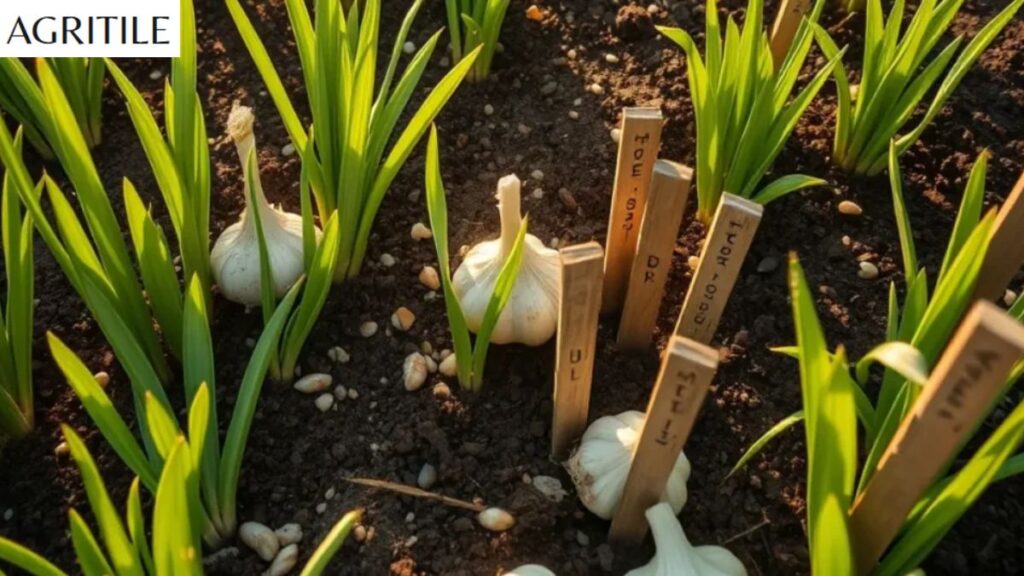
Nitrogen is the hero of the spring season. You must provide enough of it to build large, green leaves. Each leaf on your plant represents a wrapper layer on the future bulb. More leaves often mean a bigger bulb. Therefore, the first answer to what kind of fertilizer should i use for garlic is always a high-nitrogen source.
Fish emulsion is one of the most popular choices for this stage. It usually has an NPK ratio around 5-1-1 or 2-4-1. This provides a fast-acting nitrogen boost. Additionally, it contains trace elements that help the plant recover from winter stress. Though it has a strong smell, the results are worth the temporary odor. Your plants will look greener and stronger within days of an application.
| Garlic Growth Stage | Recommended Nutrient Focus | Primary Goal |
| Early Spring (Emergence) | High Nitrogen (N) | Leaf production |
| Mid-Spring (Bulb Start) | Balanced (N-P-K) | Plant health |
| Late Spring (Bulbing) | High Potassium (K) | Firm bulbs |
A balanced approach is also an option. Some growers prefer a 20-20-20 liquid mix every two weeks once the plant has four or five leaves. However, you must be careful not to overdo it. Too much nitrogen late in the spring can cause problems. It might lead to massive leaves but very small bulbs.
The Best Liquid Fertilizer for Garlic for Bigger Healthy Bulbs: Top Contenders
The market offers many products for this task. Alaska Fish Emulsion is a budget-friendly choice that many gardeners swear by. It is a 5-1-1 formula that works well for non-flowering stages. On top of that, it is widely available in most garden centers. Neptune’s Harvest is another heavy hitter in the organic community. It is a hydrolyzed fish product that preserves more vitamins and proteins than standard emulsions.
Seaweed extract is a powerful partner to fish products. While it does not have much nitrogen, it is packed with growth hormones like auxins and cytokinins. These hormones help the plant handle temperature swings and transplant shock. Many experts recommend using a blend of fish and seaweed. This “dynamic duo” provides both the food and the hormonal signals for maximum bulb expansion.
What type of fertilizer is best for garlic might also depend on your soil test results. If your soil is very low in phosphorus, a bone meal tea or a specialized allium liquid food from brands like TPS Nutrients might be better. These products are tailored specifically for the needs of onions and garlic. They help ensure the bulb has the energy to divide into large cloves.
What Should I Fertilize My Garlic With During the Bulbing Stage?
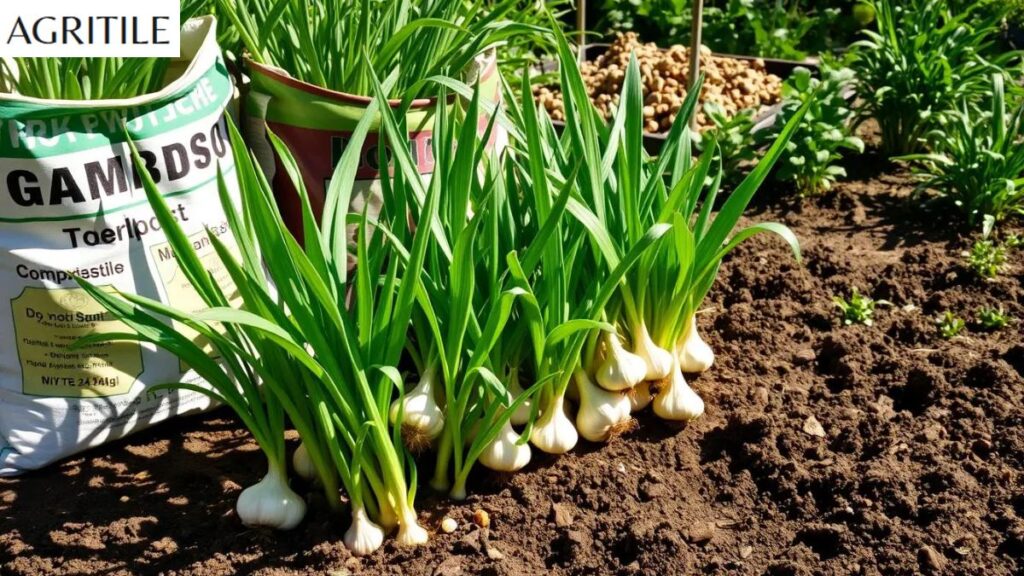
The needs of the plant shift dramatically in the late spring. This transition happens when you see the lower leaves start to yellow while the top stays green. At this time, you must stop the high-nitrogen diet. Continuing to push nitrogen will only result in soft bulbs that rot in storage. Instead, you should ask, “what should i fertilize my garlic with to help the bulbs firm up?”
Potassium and phosphorus are the stars of the show now. Potassium regulates water movement and starch storage. This is what makes a garlic bulb feel heavy and dense. Liquid kelp or high-potassium formulas like 4-18-38 are excellent for this phase. They help the plant finish its cycle with strength. Plus, these nutrients can improve the final flavor and pungency of your crop.
How to Apply Liquid Feed Step by Step
- Wait for the thaw. Do not apply liquid fertilizer if the ground is still frozen. Wait until the soil is soft and the first green shoots reach about 4 inches tall.
- Dilute properly. Never use concentrated liquid fertilizers straight from the bottle. Most fish emulsions require 1 to 2 tablespoons per gallon of water.
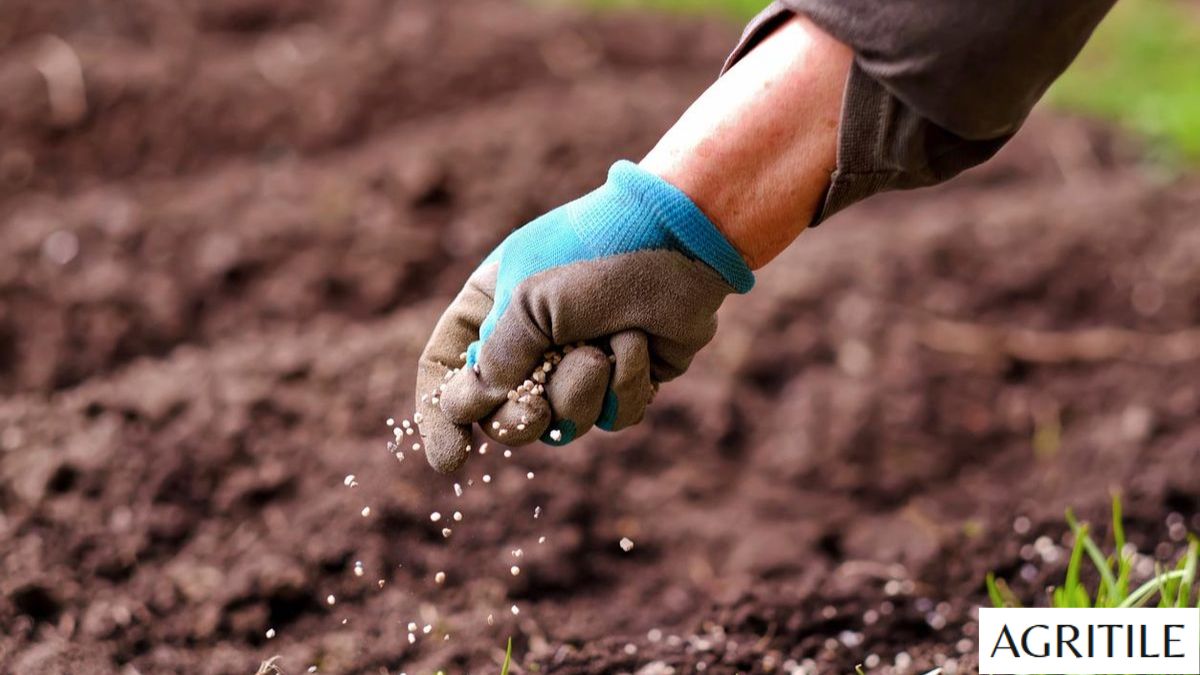
- Choose your method. You can use a soil drench or a foliar spray. A soil drench involves pouring the liquid at the base of the plant. A foliar spray uses a mister to coat the leaves.
- Time it right. Apply the liquid in the early morning or late evening. This is when the “stomata” pores on the leaves are open.
- Water it in. If you do a soil drench, make sure the soil is already moist. Dry soil can sometimes lead to root burn, even with organic liquids.
- Repeat and stop. Apply the feed every 10 to 14 days throughout the spring. However, you must stop all feeding at least 4 to 6 weeks before you harvest.
| Fertilizer Ingredient | Key Benefit for Garlic | Best Application Time |
| Fish Emulsion | Rapid Nitrogen for leaves | Early Spring |
| Kelp/Seaweed | Stress relief & hormones | Mid-to-Late Spring |
| Compost Tea | Microbes & mild food | Throughout Spring |
What Do I Fertilize Garlic With in Containers?
Growing garlic in pots is a bit different. Containers lose nutrients much faster than garden beds because of leaching. You cannot rely on a single application of compost to last the whole season. Therefore, you must be more disciplined with your liquid feeding schedule. This leads many to ask, “what do i fertilize garlic with when space is limited?”
A diluted, balanced liquid fertilizer is usually the safest bet for container garlic. You should aim to feed the plants every 10 days starting when shoots are 3 inches tall. Because container soil warms up faster, your bulbs might mature earlier than those in the ground. You must monitor the plant closely and stop feeding by mid-June in most regions. This ensures the bulbs have time to dry out and cure properly.
Important Tips and Tricks for Liquid Feeding
Soil testing is a step you should not ignore. It takes the guesswork out of your garden. You might think your plants need nitrogen when they actually need sulfur. Sulfur is what gives garlic its signature kick and health benefits. If your soil test shows a deficiency, adding a little liquid gypsum in the spring can make a world of difference.
- Soak your cloves. Before you even plant in the fall, soak your cloves in a diluted kelp or fish solution for a few hours. This gives them a head start on root development.
- Sterilize first. Some growers soak their cloves in isopropyl alcohol or vodka for 10 minutes before the fertilizer soak. This kills off hidden pathogens.
- Watch the weather. Avoid fertilizing right before a massive rainstorm. The water will just wash your expensive nutrients away before the roots can grab them.
- Use a sticker. If you are doing foliar feeding, adding a tiny drop of organic soap or a “sticker” product helps the liquid stay on the leaves longer.
Common Mistakes to Avoid for Healthy Bulbs
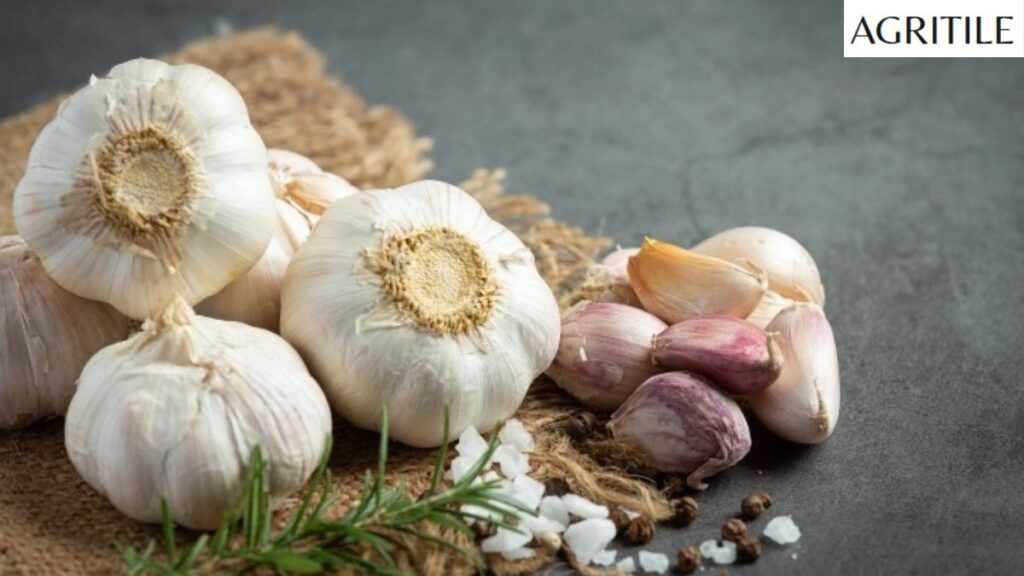
The most frequent error is over-fertilizing with nitrogen late in the year. It creates a “lush” plant that looks great but produces a watery bulb. These bulbs will not store well and often rot within a month of harvest. Another mistake is using high-nitrogen lawn fertilizers. These products are far too strong and often contain herbicides that will kill your garlic.
Failure to dilute the product is also a major risk. Even organic fish emulsion can burn the tender leaves of a young plant if it is too concentrated. Always follow the label instructions carefully. Plus, do not forget to water your plants regularly. Fertilizer alone cannot make a bulb grow; it needs water to move the nutrients through the plant’s system.
Analysis of Organic vs. Synthetic Liquid Feeds
Organic liquid fertilizers like fish and seaweed improve the soil over time. They feed the microbes that create a healthy ecosystem. This leads to better flavor and longer storage life. However, they can be slower to show results in very cold weather. They also tend to be more expensive per gallon than synthetic options.
Synthetic fertilizers, like urea or water-soluble NPK blends, provide an immediate punch. They are very efficient for correcting a severe deficiency. On the contrary, they do nothing for soil structure. They can also lead to salt buildup if used too often. Most expert agriculturists recommend a hybrid approach: build the soil with organic matter and use liquid supplements for the spring boost. Using the Best Liquid Fertilizer for Garlic for Bigger Healthy Bulbs usually means leaning toward high-quality organic liquids for the best flavor.
FAQ’s
What is the liquid Fertiliser for garlic?
The most common liquid fertilizers are fish emulsion, liquid kelp, and compost tea. Fish emulsion provides nitrogen for leaves, while kelp adds minerals and hormones for bulb strength.
When should I start liquid feeding my garlic?
You should start in early spring as soon as you see green shoots poking about 4 inches above the mulch. This usually coincides with the ground thawing and the plant waking up from dormancy.
Is coffee grounds a good fertilizer best for garlic?
No, you should not put raw coffee grounds directly on your garlic. They are too acidic and can attract pests like slugs. It is better to compost them first and then use the finished compost in your soil.
Can I use liquid fertilizer as a foliar spray?
Yes, foliar spraying is very effective during the active growth phase of spring. The nutrients are absorbed through the leaves, which can provide a faster response than soil application alone.
How often should I fertilize my garlic with liquids?
Most gardeners find that every 10 to 14 days is the ideal frequency for spring feeding. You should aim for about 3 to 4 applications before the scapes appear.
Why are my garlic leaves turning yellow in spring?
This is often a sign of nitrogen deficiency. A quick dose of the Best Liquid Fertilizer for Garlic for Bigger Healthy Bulbs, like fish emulsion, can usually fix this problem within a few days.
Does liquid fertilizer affect the taste of garlic?
Yes, organic liquids like fish and seaweed often enhance the earthy, complex flavors of the bulb. However, excessive synthetic nitrogen can lead to a watered-down, milder taste.
When should I stop fertilizing to ensure healthy bulbs?
You must stop all feeding at least 4 to 6 weeks before your expected harvest date. This is usually around the time the scapes emerge on hardneck varieties.
Can I mix fish emulsion and seaweed extract?
Absolutely. This combination is highly recommended because it provides both macronutrients and growth-stimulating hormones. Many commercial products even come pre-mixed.
Is a 20-20-20 fertilizer good for garlic?
It can be used in early spring to support general growth. However, many growers find it is too high in nitrogen for the later stages and prefer a more targeted approach.
Concluding Words
Growing massive garlic bulbs requires more than just good luck and cold weather. You need to give your plants the right fuel at the right time. Using the Best Liquid Fertilizer for Garlic for Bigger Healthy Bulbs is the most efficient way to do this. Start with a high-nitrogen fish emulsion in the early spring to power your leaf growth.
Switch to a potassium-rich kelp spray as the bulbs begin to swell. Always remember to stop feeding a month before harvest to ensure your bulbs cure and store well. If you follow this liquid nutrition plan, you will be rewarded with a harvest that is both beautiful and delicious. Simple steps lead to big results in the garlic patch.