Pumpkins are very hungry plants that love rich soil and lots of attention. You need a solid plan to get a Best Liquid Fertilizer for Pumpkins Bigger Harvest. Many farmers use a mix of organic matter and liquid feeds to push growth. For example, giant pumpkins can gain up to 25 pounds in a single day. That is a lot of weight for one plant to handle. Success starts with the right balance of nutrients. Nitrogen helps the vines grow fast early on. Later, phosphorus and potassium take over to help the flowers and fruit. You must watch the timing closely. If you use too much nitrogen late in the season, you might get a lot of leaves but no pumpkins.
Soil health is the foundation of any good patch. You should start with a soil test to check the pH levels. The best range is between 5.5 and 6.8. If the soil is too acidic or alkaline, the plants cannot take up food properly. On top of that, organic matter is vital. Many growers add yards of compost and rotted manure before they even plant a seed. This provides a slow release of food. However, liquid fertilizers act fast. They give the plants a boost exactly when they need it. This guide will show you exactly what fertilizer do you use on pumpkins to win the local fair or just feed your family.
- Start with nitrogen-rich feeds like fish emulsion for strong vine expansion.
- Switch to a balanced 20-20-20 liquid fertilizer once the fruit sets to keep growth steady.
- Focus on potassium-heavy formulas in late summer to increase fruit size and sugar levels.
What is the Best Liquid Fertilizer for Pumpkins Bigger Harvest?
A Best Liquid Fertilizer for Pumpkins Bigger Harvest is one that changes as the plant grows. You cannot just use one product for the whole season and expect the best results. Early on, the plant needs help to build a large “solar panel” of leaves. This requires a lot of nitrogen. Fish emulsion (5-1-1) is a top choice at this stage. It is gentle and will not burn the young roots. Later, the plant needs to make flowers. This is when you should look for more phosphorus. Finally, the fruit itself needs potassium to get big and sweet.
Many growers trust products like CompleteGrow All Purpose Liquid NPK 20-20-20. This is a balanced formula. It provides equal parts of the big three nutrients. It also includes micronutrients like boron and magnesium. These prevent hollow fruit and weak stems. Additionally, specialty products exist. Pumpkin Juice (11-8-5) is a popular liquid designed just for these gourds. It contains growth stimulants to help the plant work faster. Plus, it is easy to apply as a spray on the leaves.
The choice between organic and synthetic is up to you. Organic liquids like Neptune’s Harvest Fish and Seaweed help build soil life. They feed the microbes in the dirt. These microbes then help the plant roots. On the contrary, synthetic liquids work almost instantly. They are great for fixing a deficiency fast. Therefore, a mix of both often works best. You get the long-term health from organics and the raw power from synthetics.
| Product Name | N-P-K Ratio | Best Stage for Use |
| Fish Emulsion | 5-1-1 | Early Vine Growth |
| CompleteGrow | 20-20-20 | Flower and Fruit Set |
| Pumpkin Juice | 11-8-5 | Rapid Growth Phase |
This table shows a few top options for your patch. You should match the product to the age of your plant. First of all, focus on the leaves. Then, focus on the fruit. This simple plan leads to a Best Liquid Fertilizer for Pumpkins Bigger Harvest.
Importance of Timing Your Pumpkin Fertilizer Requirements
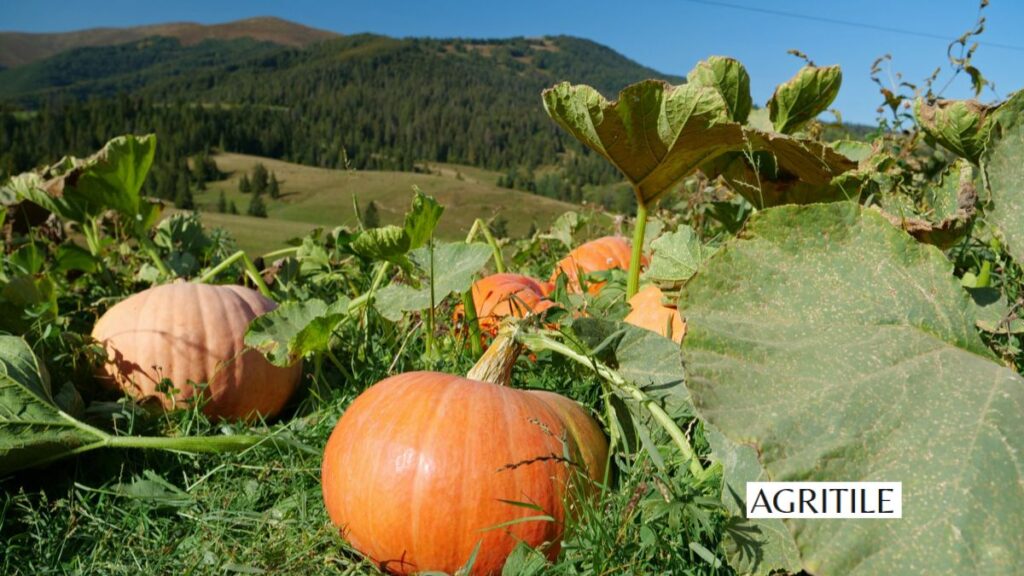
Timing is everything in the garden. You must follow the pumpkin fertilizer requirements closely to avoid problems. If you feed the plant too much nitrogen early, it might grow huge vines but never make a single pumpkin. This is a common mistake for new gardeners. The plant thinks it just needs to keep making leaves. However, you want fruit. Therefore, you must cut back on nitrogen once you see the first flowers.
The growth stages are very specific. Seedlings only need plain water at first. They have enough food in the seed to get started. Once the first true leaves appear, you can start light feeds. A rate of 3 ml per liter of water once a week is a good start. Gradually, you can increase this as the plant gets bigger. By the time the fruit is the size of a ball, you can move to 4 ml per liter.
Regularity is also key. Plants do best when the level of food in the soil stays steady. This is why liquid feeds are so good. You can give a little bit each time you water. This is much better than a huge dose once a month. It prevents the plant from getting “shocked” by too many nutrients at once. Plus, it ensures the roots always have something to eat.
How to Use the Best Liquid Fertilizer for Pumpkin Step by Step
To use the best liquid fertilizer for pumpkins, you need a clear plan. It is not just about pouring it on the ground. First of all, you must prepare the site. Make sure the soil is moist before you add any fertilizer. If the soil is dry, the concentrated liquid can burn the roots. This is a big risk in hot weather. Always water the patch well a few hours before you feed.
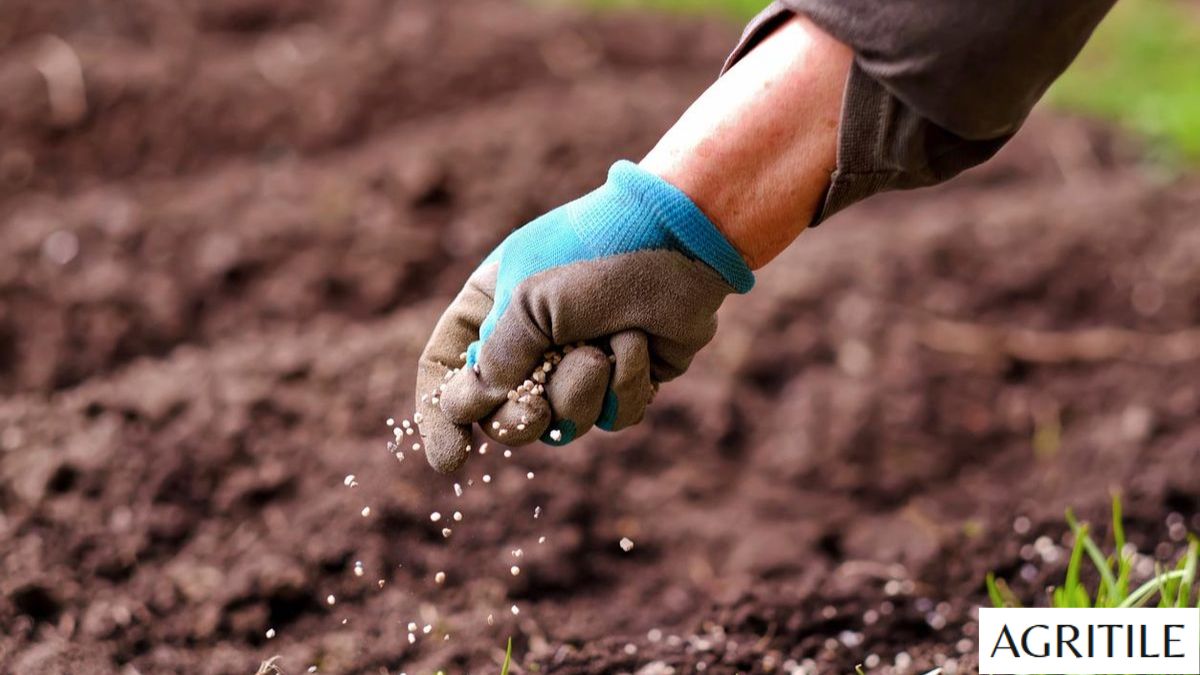
Second, you should decide how to apply it. You can do a “soil drench” or a “foliar spray.” A soil drench means you pour the mix around the base of the plant. This sends the food straight to the main roots. A foliar spray means you mist the leaves with the mix. The leaves can soak up nutrients very fast this way. However, you must do this early in the morning. If the sun is too hot, the water droplets can act like little magnifying glasses and burn the leaves.
Finally, you must be careful with the dose. Always read the label on the bottle. If you are not sure, it is better to use less than more. You can always add more later, but you cannot take it back. A common rule is to fertilize once every 7 to 10 days. This keeps the plant happy without overdoing it.
- Water the soil deeply to ensure it is moist.
- Mix the liquid fertilizer according to the bottle directions.
- Apply to the base of the plant or spray the leaves.
- Watch the plant for signs of stress over the next two days.
Pumpkin Fertilizer Recommendations for Early Growth
In the first few weeks, your pumpkin fertilizer recommendations should focus on roots and leaves. A strong root system is the engine of the plant. Without it, you will never get a giant harvest. Many experts suggest using Wallace Organic Wonder Super Starter. This product contains Mycorrhizae. This is a type of fungus that lives with the roots. It helps them reach more water and food in the soil. It is a total game changer for young plants.
Another great option is fish emulsion. It provides a gentle hit of nitrogen. User Scarlettmorgana says she saw progress overnight with liquid feeds. That is the kind of response you want. On top of that, Neptune’s Harvest Fish and Seaweed is a favorite for many record holders. They use it to soak the seeds before planting and then water the young sprouts. This gives the plant a “head start” that lasts the whole season.
During this stage, you should look for signs of health. The leaves should be a deep, rich green. They should also have a nice shine or sheen to them. If the leaves are pale or yellow, the plant is likely hungry for nitrogen. However, do not go crazy. Too much food can make the plant “lazy.” You want it to grow roots, not just soft, weak leaves.
| Growth Stage | Recommended Nutrient | Purpose |
| Germination | Plain Water | Avoid root burn |
| True Leaves | High Nitrogen | Build vine area |
| Vine Runners | Balanced NPK | Strengthen structure |
What Kind of Fertilizer is Best for Pumpkins During Fruit Set?
When the flowers appear, you might ask, what kind of fertilizer is best for pumpkins now? The answer shifts. You need less nitrogen and more phosphorus and potassium. A balanced 20-20-20 formula is perfect here. It gives the plant everything it needs to make healthy flowers. On top of that, it helps the “fruit set.” This is the moment the tiny pumpkin starts to grow. If the plant does not have enough food, it might drop the fruit.
Pollination is also vital at this time. You can help the plant by hand-pollinating the flowers in the morning. Once the fruit is set, the plant becomes even hungrier. It needs a lot of water and a lot of food. You should keep the feeding schedule steady. Some growers increase the dose slightly to 4 ml per liter every week. This powers the “rapid growth phase.”
Potassium becomes the most important nutrient as the fruit bulks up. It helps the pumpkin pack on the pounds. It also improves the rind color and the sugar content of the flesh. If you want a sweet pumpkin for pies, do not skip the potassium. However, be careful. If the fruit grows too fast, it can actually split open or “explode”. This is every grower’s nightmare.
Best Liquid Fertilizer for Pumpkins Tips and Tricks for Giant Fruit
To grow a “monster” gourd, you need the best liquid fertilizer for pumpkins and some pro tricks. First of all, you should only leave one or two pumpkins on each vine. This focuses all the plant’s energy into just a few fruits. It is hard to cut off perfectly good pumpkins, but it is necessary for size. On top of that, you should prune the vines. Cut the ends of the main vines once they reach 10 to 12 feet beyond the fruit. This stops the plant from wasting energy on more leaves.
Another trick is to bury the vines as they grow. This encourages “secondary roots” to form at each leaf node. These extra roots can soak up even more fertilizer. You can apply liquid feed directly to these areas to boost the plant’s intake. Additionally, watch the position of the fruit. The stem should be at a right angle to the vine. If it is not, you should move it very slowly over a week. If you move it too fast, the stem might snap.
Finally, consider using a cal-mag supplement. This adds calcium and magnesium to the soil. Calcium prevents “blossom end rot,” which is a dark spot on the bottom of the fruit. Magnesium helps the leaves stay green and healthy. Many balanced liquids like CompleteGrow already have these, but extra can help in poor soil.
- Pinch off side shoots to focus energy on the main fruit.
- Mulch the vines to keep the soil moist and cool.
- Hand pollinate early in the morning for a better fruit set.
- Measure daily to track growth and adjust feeding.
Why You Should Make Compost Tea for Your Patch
Compost tea is a secret weapon for many organic growers. It is basically a “brew” of compost and water that is full of life. It contains bacteria, fungi, and other tiny organisms that help the soil. You can make it at home with a 5-gallon bucket and an aquarium air pump. It is very cheap and very effective. Plus, it is completely natural.
To make a good tea, you need a food source for the microbes. Many people use unsulphured molasses or humic acid. You let the mix bubble for 24 hours to let the life multiply. After that, you can use it as a soil drench or a spray. Grower Sarah Whitty says she makes it once a week for her giant pumpkins. She believes it creates a rich soil that the plants love.
This tea does more than just feed the plant. It also helps protect it. The “good” microbes in the tea can help fight off “bad” diseases like mildew. It is like a probiotic for your garden. Additionally, it improves the taste of the vegetables. User Todd Robertson noticed that his cucumbers and tomatoes tasted much better after using fish-based fertilizers and teas. It is a win for both size and flavor.
Signs You Are Using Too Much Pumpkin Fertilizer
Too much of a good thing can be deadly. You must watch for signs of over-fertilizing your plants. One of the first signs is a white crust on the soil surface. This is actually salt from the fertilizer. On top of that, the leaves might start to look “burned.” This means the edges and tips turn brown and dry. It happens because the plant cannot take up water properly.
Another sign is “lots of leaves, but no fruit”. This usually means you have used too much nitrogen. The plant is too happy making vines to bother with pumpkins. If you see this, you should switch to a balanced or low-nitrogen feed immediately. Additionally, the roots can rot if there is too much salt in the dirt. They will turn black or brown and feel mushy.
If you think you overdid it, do not panic. You can try to “leach” the soil. This means you water the plant for a long time to wash the extra food away. You should also remove any wilted or burned leaves. Stop feeding for a week or two and let the plant recover. “Slow and easy wins the race,” as one expert grower says.
Real Farmer Stories and Results with Liquid Feeds
Real experiences prove that the Best Liquid Fertilizer for Pumpkins Bigger Harvest works. Woody Lancaster from Massachusetts won the Topsfield Fair with a giant pumpkin. He says he “won’t grow without” fish fertilizers. Another grower, Hiram Watson, broke the state record with a 1,900-pound pumpkin. He watered his plant with fish and seaweed every single day. He said it was the easiest and most beautiful pumpkin he ever grew.
Success is not just for giants, though. Daniel W. from Alabama used liquid feeds on his watermelon vines. They grew to 43 feet long and were still blooming at the end of the season. He noticed the vines were much greener than when he used synthetic food alone. Similarly, Sophie from Alprilla Farm saw her seedlings turn a darker green almost instantly after a spray. This shows how fast the plants can react.
These stories show that consistency is key. You do not need to be a chemist to get great results. You just need to pay attention to your plants. If they look happy and green, you are doing a good job. If they look pale, give them a snack. If they look burned, back off. It is a simple conversation between you and the garden.
FAQ’s
What is the best liquid fertilizer for pumpkins?
The most reliable choice is a balanced NPK 20-20-20 liquid like CompleteGrow. It gives the plant all the big nutrients and small minerals it needs for every stage. Early on, you can also use fish emulsion to push vine growth.
How often should I fertilize my pumpkins?
You should feed them about once a week during the growing season. Some growers do it every 7 to 10 days depending on how fast the plant is growing. Always make sure the soil is moist before you apply the liquid.
Can I use too much fertilizer on my pumpkins?
Yes, you certainly can. Too much nitrogen will give you “jungle vines” but no fruit. It can also burn the leaves and kill the roots. Always follow the label directions and err on the side of “less is more”.
Do pumpkins like coffee grounds?
Yes, they do! Coffee grounds are a great source of nitrogen. You can mix them into the soil around the roots or add them to your compost pile. They give the plants a nice natural boost.
Are eggshells good for pumpkins?
They are excellent for adding calcium to the soil. You should crush them up and mix them into the mulch. This helps prevent blossom end rot and keeps the plant structure strong.
Should I change my fertilizer when the plant starts to fruit?
You do not strictly need to change it if you use a balanced 20-20-20. However, some growers like to add extra potassium at the end of summer to help the fruit get as big as possible.
Can I spray the fertilizer on the leaves?
You can, and it works very well. This is called foliar feeding. You should use a lower dose, like 1-2 ml per liter, and do it in the early morning. This avoids burning the leaves in the hot sun.
Why are my pumpkin leaves turning yellow?
This could be a few things. Often it is a lack of nitrogen or magnesium. A balanced liquid with micronutrients usually fixes this in one or two feeds. It could also be from over-watering or pests like aphids.
How do I grow a giant pumpkin?
You need “good seed, good soil, and good luck”. Use Atlantic Giant seeds and prepare your soil with lots of compost. Use a steady liquid feeding plan and only leave one fruit on the vine.
When should I stop fertilizing?
You should stop once the fruit skins are hard and the stems look like cork. This usually happens a few weeks before harvest. At this point, the plant is done growing and just needs to ripen.
Concluding Words
To get a Best Liquid Fertilizer for Pumpkins Bigger Harvest, you must be steady and smart. Start with a focus on green leaves and strong vines using nitrogen. Once you see flowers, switch to a balanced feed to support the fruit. Finally, push the potassium for a giant, sweet finish. Use products like CompleteGrow 20-20-20 or Pumpkin Juice for the best results.
Always water before you feed to protect the roots. Watch your plants every day and they will tell you what they need. With a little luck and the right food, your patch will be the talk of the town this fall. Happy gardening. Total success. Just like that.