Basil is a plant that many people love to grow because it smells great and tastes even better in food. Every garden should have at least one pot of this herb. You might notice your plants look a bit pale sometimes. This is why finding the Best Liquid Fertilizer for Basil Plants is so important for your garden success. It makes a huge difference. Really.
Many growers wonder if their herbs actually need extra food to stay green. The truth is that container plants lose nutrients fast when you water them. You want those leaves to stay big and tasty. A good feeding plan helps the plant make more of those special oils we love. Let us look at how you can get the best results with the Best Liquid Fertilizer for Basil Plants.
- Nitrogen helps grow big green leaves.
- Magnesium prevents the leaves from turning yellow.
- Organic feeds keep the flavor strong.
What is the Best Liquid Fertilizer for Basil Plants and why does it matter?
First of all, you need to know what makes this herb happy. Basil is a leaf crop. This means it wants nitrogen first. Nitrogen makes the plant grow many leaves. However, too much nitrogen is a bad thing. It can make the flavor weak. That is why the Best Liquid Fertilizer for Basil Plants needs a balance.
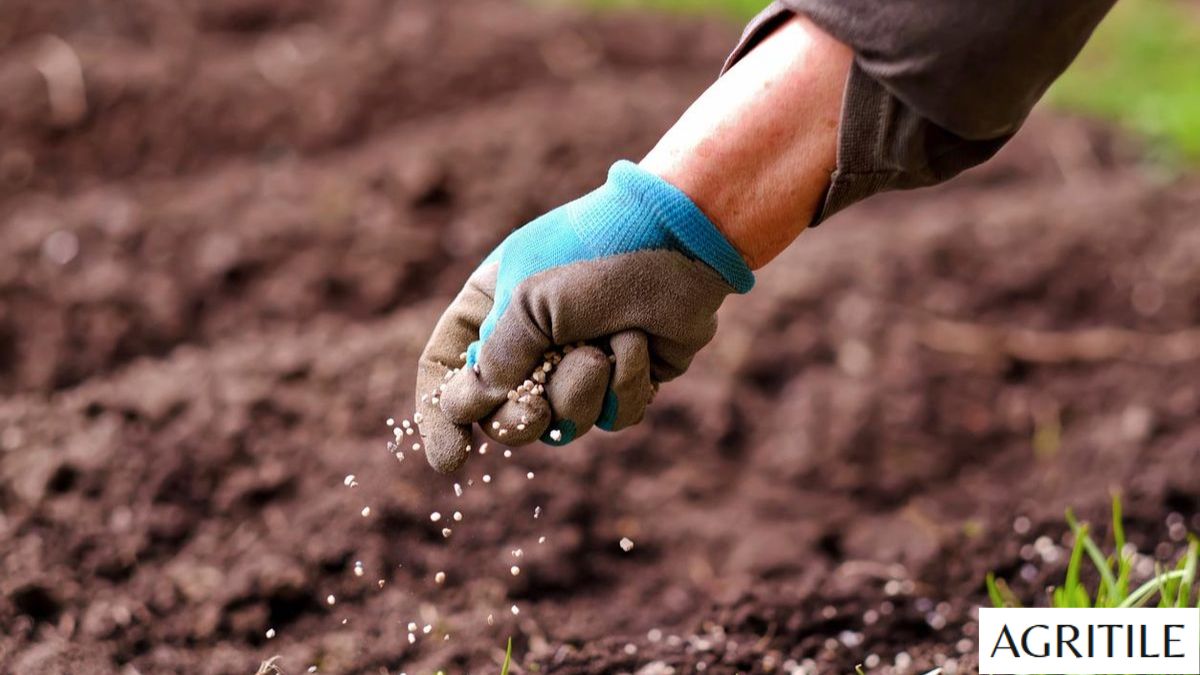
You also have to think about how fast the plant eats. Liquid food is great because the roots drink it up fast. Granular food takes a long time to break down. When your basil is growing fast in the summer heat, it needs help right away. Additionally, you can control exactly how much food you give. This prevents root burn.
The right food keeps the plant strong against bugs and sickness. Similarly, it helps the plant handle stress from the sun or wind. You want a plant that is tough. A balanced mix of nitrogen, phosphorus, and potassium is the secret. On top of that, small minerals like calcium and magnesium are vital.
| Nutrient | Main Benefit for Basil | Top Source |
| Nitrogen (N) | Grows big green leaves | Fish emulsion, blood meal |
| Phosphorus (P) | Helps roots stay strong | Bone meal, compost |
| Potassium (K) | Boosts flavor and oils | Seaweed, wood ash |
The table above shows the big three nutrients. Nitrogen is the star for leafy herbs. Phosphorus handles the roots. Potassium is what makes your pesto taste amazing.
Does basil need fertilizer to stay healthy and green?
Many new gardeners ask this question. The answer is yes. Basil is a fast grower. It uses up the food in the soil very quickly. If you grow it in a pot, the water washes the nutrients away every time you water. Therefore, you must add more food to keep it happy.
If the soil is very rich with compost, the plant might do fine for a while. Later, the plant will show signs that it is hungry. You might see slow growth. You might see leaves that look a bit yellow. This is the plant’s way of asking for the Best Liquid Fertilizer for Basil Plants.
On the contrary, too much food is a mistake. It can hurt the plant. A light touch is best. You want a plant that is full of flavor, not just a giant plant with no smell. Plus, natural feeds like an organic liquid fertilizer for basil are much safer for the soil.
What fertilizer should i use for basil for the best flavor?
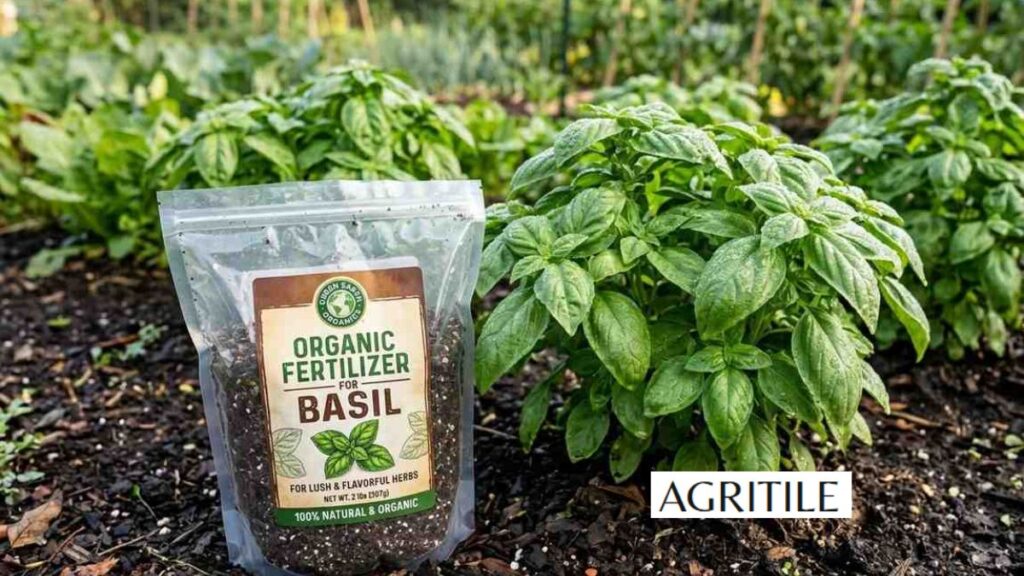
Choosing the right bottle can feel hard. There are so many choices. First of all, look at the numbers on the front. These are the N-P-K ratios. For basil, a 2-1-2 or 3-1-2 ratio is perfect. This means there is more nitrogen than the other two.
Fish emulsion is a top pick for many experts. “It provides a quick nutrient boost, especially for young plants,” says a pro gardener. It usually has a 4-1-1 or 5-1-1 ratio. This is very close to what basil wants. However, it can smell a bit like fish.
Liquid seaweed is another great choice. It has many small minerals that help the plant stay tough. It acts like a vitamin for your herbs. Often, you can mix fish and seaweed together for a perfect meal. This combination is often seen as the Best Liquid Fertilizer for Basil Plants.
| Feed Type | How Often to Use | Best Benefit |
| Fish Emulsion | Every 2-3 weeks | Fast leaf growth |
| Liquid Seaweed | Every 4 weeks | Heat resistance |
| Balanced Liquid | Every 2-4 weeks | All-around health |
The table above shows a simple plan. You can alternate these for the best results.
Step by step guide to feeding your basil plants like a pro
- Check the soil moisture. Never feed a thirsty plant. Water it with plain water first. This protects the roots from burn.
- Read the label carefully. Every brand is different. Do not guess the amount.
- Mix at half strength. This is a pro secret. Most bottles are too strong for herbs. Use half of what they say.
- Pour at the base. Keep the liquid off the leaves. This prevents leaf burn and mold.
- Wash the leaves if you spill. If any drops land on the plant, rinse them off with clear water.
- Watch the plant. See how it reacts over the next week. Look for new green growth.
Tips and tricks for using organic liquid fertilizer for basil
Natural feeds are better for plants you plan to eat. They do not have harsh chemicals. Organic liquid fertilizer for basil helps the soil stay alive with good microbes. These tiny bugs help the roots eat better.
One great trick is to use compost tea. You can make this at home by soaking compost in water. It is like a healthy juice for your garden. Another tip is to use banana peel water for a potassium boost. Just soak the peels overnight and use the water.
Finally, keep your bottles in a cool, dark place. This keeps the nutrients good for a longer time. Also, remember that indoor plants need less food than outdoor ones. They do not have to fight the wind or the hot sun as much.
Signs that your basil plants are hungry or overfed
You must be a detective. Look at the leaves. Yellow leaves at the bottom often mean the plant needs nitrogen. Stunted growth is another big sign. If the plant is not getting bigger, it is likely hungry.
On the other hand, look for signs of too much food. Leaf burn is common. This looks like brown or dry edges on the leaves. On top of that, you might see a white crust on the soil. This is salt buildup from too much fertilizer.
Another odd sign is a lot of leaves but no smell. Too much nitrogen makes the plant grow fast but ruins the oils. If your basil tastes like nothing, stop feeding it for a while. Finding the Best Liquid Fertilizer for Basil Plants means finding that middle ground.
The importance of magnesium for healthy basil leaves
Basil is very sensitive to a lack of magnesium. This mineral is a part of the green color in leaves. Without it, the leaves turn yellow between the veins. This is called interveinal chlorosis.
You can fix this easily with Epsom salts. Mix one tablespoon into a gallon of water. Spray it on the leaves or pour it on the soil once a month. For farmers, a target of 60 ppm of magnesium in the water is perfect.
Magnesium also helps the plant use other nutrients better. It is a key part of how the plant makes energy from light. Therefore, do not forget this small but mighty mineral. It is often the missing piece in the Best Liquid Fertilizer for Basil Plants.
Best Liquid Fertilizer for Basil Plants in hydroponic systems
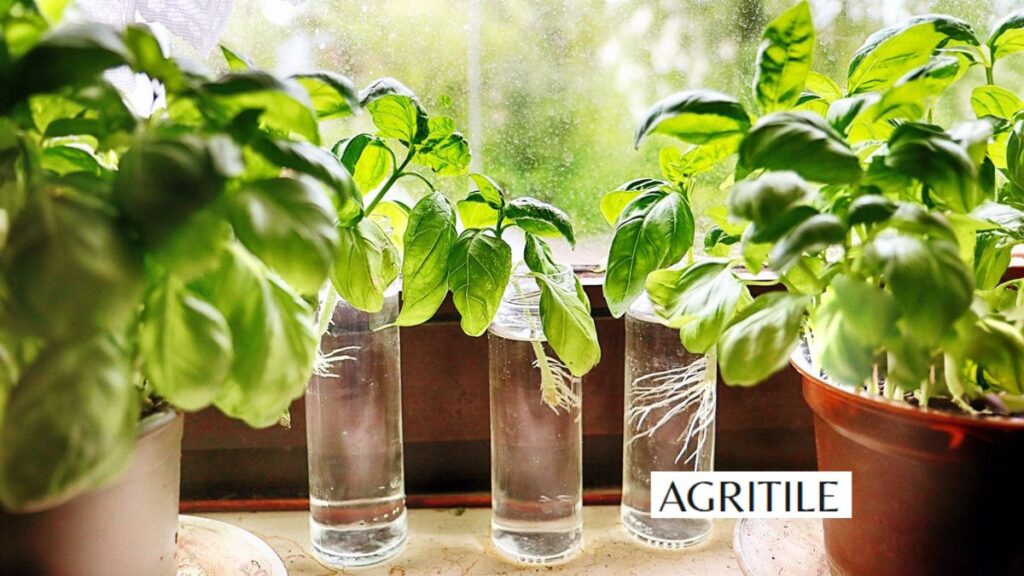
Growing basil in water is very popular now. These plants need food all the time because there is no soil. You must use a complete liquid feed. Dyna-Gro is a good choice for these setups.
You need to watch the “EC” levels. This stands for electrical conductivity. It tells you how much food is in the water. For basil, keep it between 1.0 and 1.6. If it goes too high, the basil might start to taste like mint.
| Hydro Factor | Ideal Range for Basil | Why it Matters |
| pH Level | 5.5 to 6.8 | Helps plant drink food |
| EC Range | 1.0 to 1.6 | Controls growth speed |
| Temperature | 65 to 80°F | Prevents root rot |
The table above gives the basics for water growers. Keeping the pH right is vital. If the pH is wrong, the plant cannot eat even if the food is right there.
How to mix and apply your liquid plant food safely
Always start with a clean bucket. Do not mix different brands together unless the label says so. Some chemicals can react and become solid. This will clog your tools and hurt your plants.
Measure your water first. Then, add the liquid food. Mix it well. If you use a sprayer, make sure to rinse it after you finish. This prevents the tool from breaking.
Finally, record what you do. Keep a small book with dates and amounts. This helps you see what works best. Gradually, you will become an expert. You will know exactly when to reach for the Best Liquid Fertilizer for Basil Plants.
FAQ’s
what fertilizer should i use for basil for the best growth?
You should use a liquid feed with a high nitrogen content like fish emulsion. Ratios like 3-1-2 are the best for growing big leaves.
does basil need fertilizer if the soil is good?
Yes, it does. Basil grows so fast that it uses up the food in the soil very quickly. Most plants need extra food every 2 to 4 weeks.
Can I use organic liquid fertilizer for basil indoors?
Absolutely. Organic options like Espoma Indoor Plant Food are very safe for homes. They release food slowly and do not have harsh smells.
Why are my basil leaves turning yellow between the veins?
This is a sign of magnesium deficiency. You can fix this by adding Epsom salts to your watering plan.
How often should I feed my potted basil?
Indoor pots should be fed every 3 to 4 weeks. Outdoor pots need more, usually every 1 to 2 weeks, because growth is faster.
What happens if I give my basil too much nitrogen?
The plant will grow very fast but will have no flavor. Too much nitrogen dilutes the essential oils that give basil its smell.
Is coffee grounds good for basil?
Yes, they give a small nitrogen boost. Use them sparingly and only once every 2 to 4 weeks.
Can I use a 20-20-20 fertilizer for my basil?
Yes, a balanced 20-20-20 works well for all-around health. Just make sure to dilute it so you do not burn the roots.
What is the best pH for basil soil?
Basil likes a pH between 6.0 and 7.0. If the pH is too low or too high, the plant will struggle to eat.
Should I feed my basil in the winter?
Most basil plants go dormant in the winter. It is best to stop feeding or use half strength during the cold months.
Concluding Words
Growing a great herb garden is very rewarding. You just need to know how to feed your plants. Finding the Best Liquid Fertilizer for Basil Plants is the first step. It ensures your leaves stay green and your pesto stays flavorful. Remember to use a light touch with the nitrogen. Do not forget the magnesium to keep the leaves bright. Always water your plants before you give them food.
Watch your plants closely for any changes. They will tell you what they need. Whether you use fish emulsion or a balanced mineral mix, consistency is key. With the right care and the Best Liquid Fertilizer for Basil Plants, you will have a huge harvest all summer long. Happy gardening to you and your herbs.