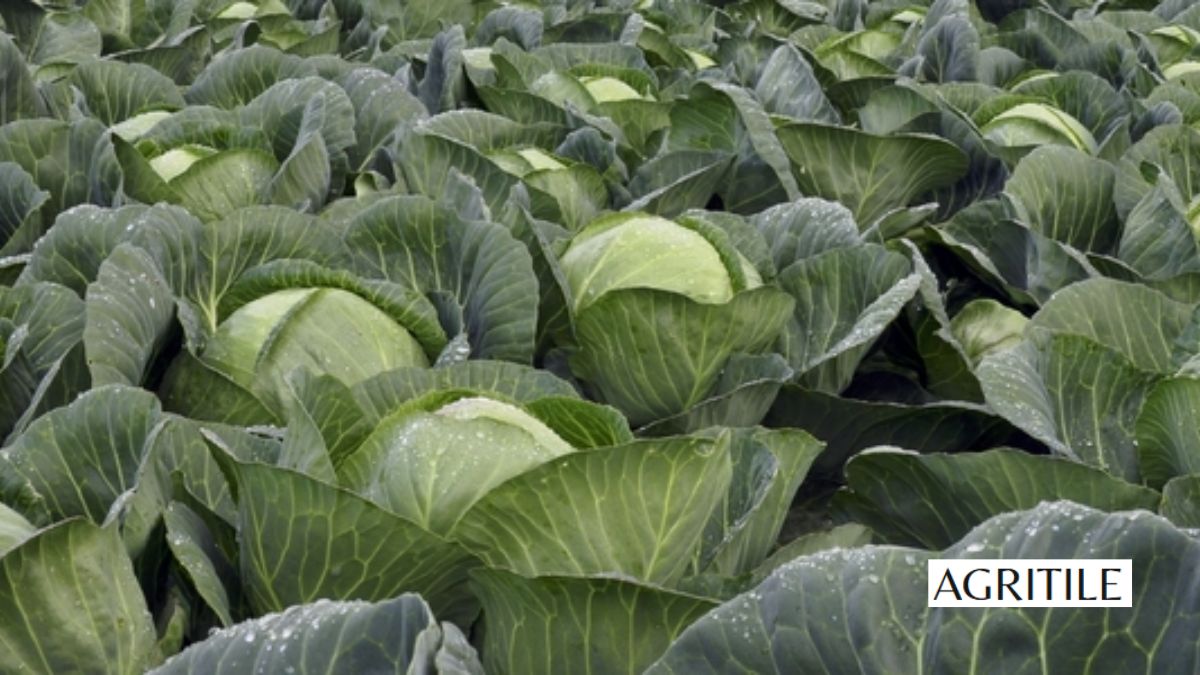
Cabbage plants are very hungry vegetables that need a lot of food to reach their full potential. Many people struggle to get those tight, heavy centers that make a harvest worth the effort. Getting the Best Liquid Fertilizer for Cabbage Bigger Heads is often the missing piece of the puzzle for home growers and professional farmers alike. This guide will show you exactly how to feed your crops for the best results possible.
Proper nutrition makes the difference between a small leaf bunch and a massive 15-pound head. Soil health and timing play a huge role in this process. However, the way you deliver these nutrients can change your yield by over 50 percent in some cases. Additionally, using a liquid approach allows plants to drink up the good stuff much faster than old-school dry pellets.
- Cabbages need high nitrogen for leaves and calcium to stop the center from rotting.
- Liquid feeding works best every two to three weeks until the head starts to close.
- Home-made teas and store-bought NPK blends both offer great ways to boost growth.
What exactly is the Best Liquid Fertilizer for Cabbage Bigger Heads?
First of all, you need to know that cabbage is an exhaustive feeder. This means it sucks the life out of the soil very fast. The Best Liquid Fertilizer for Cabbage Bigger Heads is usually a balanced blend or a nitrogen-rich solution applied at the right moment. Plus, liquid versions offer high penetration rates into the plant tissue.
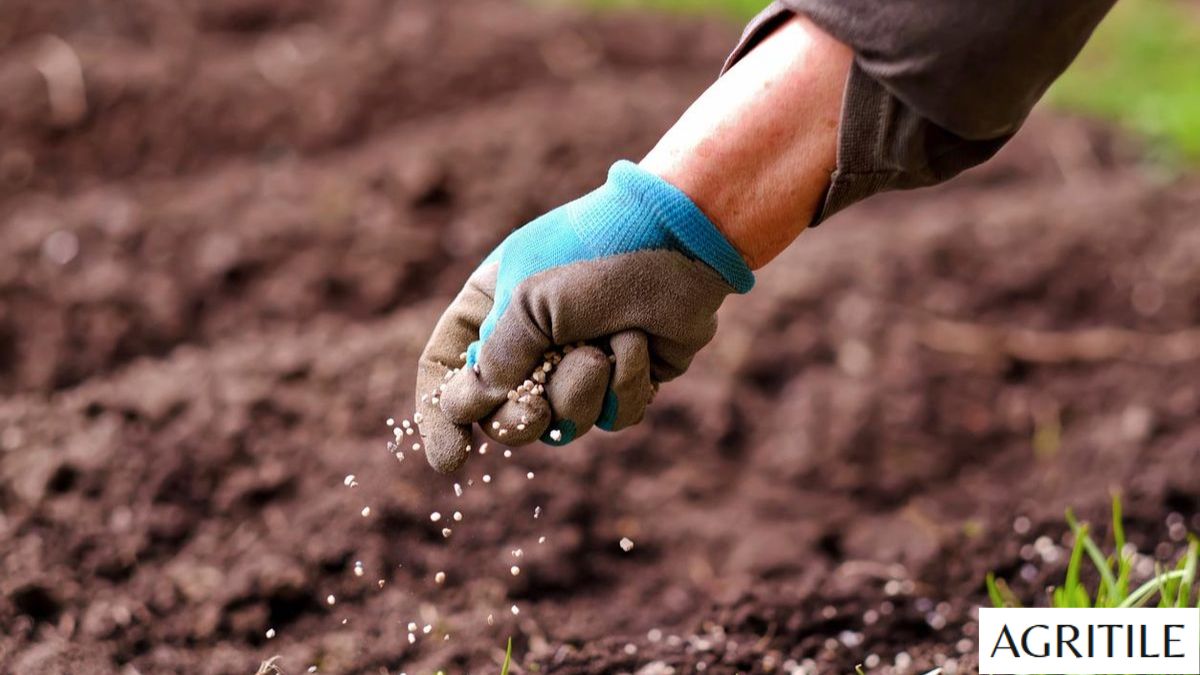
These fertilizers can be organic or synthetic. Synthetic options like a 10-10-10 NPK ratio give a fast hit of energy. On top of that, water-soluble formulations like 19-19-19 have shown superior results in growth trials. These sprays help with rapid cell division.
| Nutrient | Role in Cabbage Growth | Visible Benefit |
| Nitrogen (N) | Promotes green leaf vigor | Huge, lush leaves |
| Phosphorus (P) | Supports strong root systems | Better nutrient uptake |
| Potassium (K) | Enhances disease resistance | Firmer, heavier heads |
Similarly, calcium is the secret hero for head quality. It makes the cell walls strong so the head does not fall apart or get brown edges. Therefore, many experts recommend a calcium nitrate solution for the best quality.
Importance of feeding your cabbage the right way
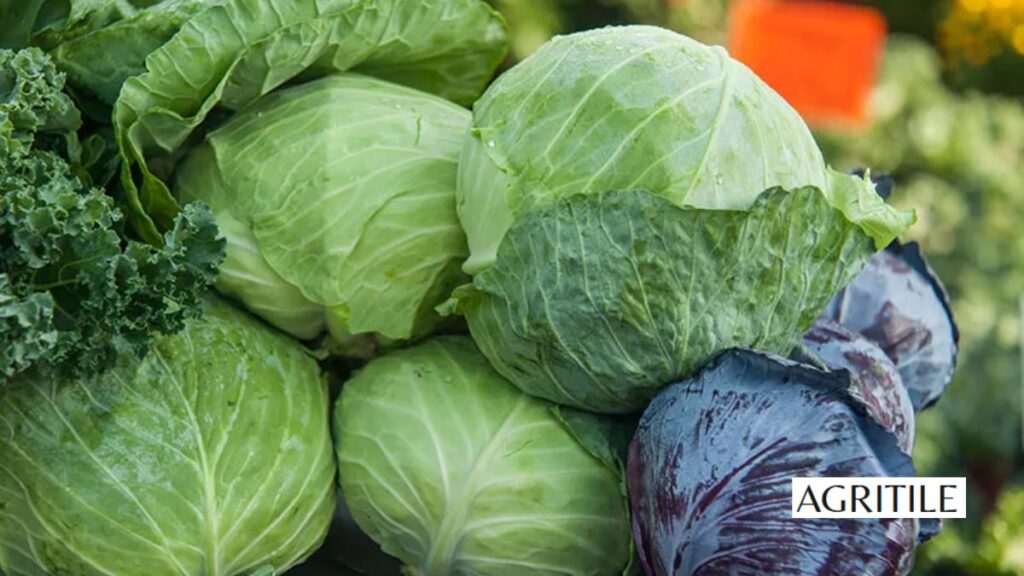
Why does it matter so much? Cabbage heads are mostly water and stored nutrients. If the plant lacks food, the head will be small, loose, or bitter. Therefore, understanding how to fertilize cabbage correctly ensures you do not waste time or money.
Yield stability is another big factor. A steady diet prevents the plant from getting stressed. At that time, a stressed plant might bolt or fail to form a head entirely. Additionally, proper feeding boosts the natural defense of the plant against pests.
Gradually, the soil loses its natural power after a few seasons. You must put back what the plant takes out. Also, liquid feeding bypasses soil problems like “locking up” where nutrients get stuck in the dirt and cannot reach the roots.
How to fertilize cabbage step by step
You might wonder, how do you fertilize cabbage without making a mess? The process is simple if you follow these steps:
- Test your soil first. This tells you the pH and what is missing.
- Prep the ground. Mix in compost or manure a few weeks before you plant.
- Start early. Give seedlings a weak liquid tea once they have two true leaves.
- Transplant carefully. Use a starter solution to help the roots settle.
- Follow a schedule. Apply your liquid fertilizer for cabbage every 14 to 21 days.
- Switch it up. Use high nitrogen for leaf growth, then balanced food for head formation.
However, you must stop heavy feeding once the heads are firm. Too much food at the end can make the heads grow too fast and split open. Finally, always water the plants before you apply any concentrated liquid to avoid root shock.
Cabbage best fertilizer: Organic vs Synthetic choices
There is a big debate among farmers about which fertilizer is suitable for cabbage. Synthetic choices are very precise. You know exactly how much NPK you are giving the plant. Plus, they work almost instantly.
On the contrary, organic options build long-term soil health. Items like fish emulsion or seaweed blend are packed with micronutrients. They also promote helpful microbes in the dirt. Similarly, worm castings are excellent for a natural boost.
| Fertilizer Type | Speed of Results | Soil Impact | Cost |
| Synthetic Liquid | Very Fast | Can lead to salt build-up | Moderate |
| Organic Liquid | Fast to Medium | Improves soil biology | Low to High |
| Home-made Tea | Medium | Excellent for microbes | Very Low |
Additionally, specialty fertilizers like “Cabba Plus” are designed specifically for these crops. These products often contain the perfect mix of trace elements like zinc and magnesium. Therefore, choosing what is the best fertilizer for cabbage plants depends on your personal goals for the garden.
Which fertilizer is suitable for cabbage during early growth?
Seedlings are like babies and need gentle care. At that time, a full-strength chemical mix might be too harsh. First of all, use a diluted solution of fish emulsion or a weak compost tea. This helps them grow strong roots without burning the tiny leaves.
Gradually, as the plants get bigger, you can increase the strength. A high nitrogen source is best during this “leafy” stage. Nitrogen makes the plant grow huge outer leaves. Later, these leaves will provide the energy to build the actual head.
Additionally, adding some calcium early on prevents tip burn later. You can crush eggshells or use a liquid calcium solution. This builds a solid foundation for a heavy crop.
How do you fertilize cabbage without burning the leaves?
Liquid feeds can be dangerous if you are not careful. Foliar feeding is great, but do not do it in the hot sun. The water drops act like tiny magnifying glasses. Plus, high heat makes the plant more sensitive to chemicals.
- Apply liquid food at dusk or on a cloudy day.
- Always dilute your concentrates according to the label.
- Drench the soil around the base if you want to be safe.
- Do not let solid fertilizer touch the leaves during a rainstorm.
Similarly, using a low-salt formula helps prevent “nutrient burn”. Some modern liquid fertilizers are handcrafted to be much gentler on the tissue. Therefore, spending a little extra on a quality product can save your whole crop.
Liquid fertilizer for cabbage: DIY recipes from your kitchen
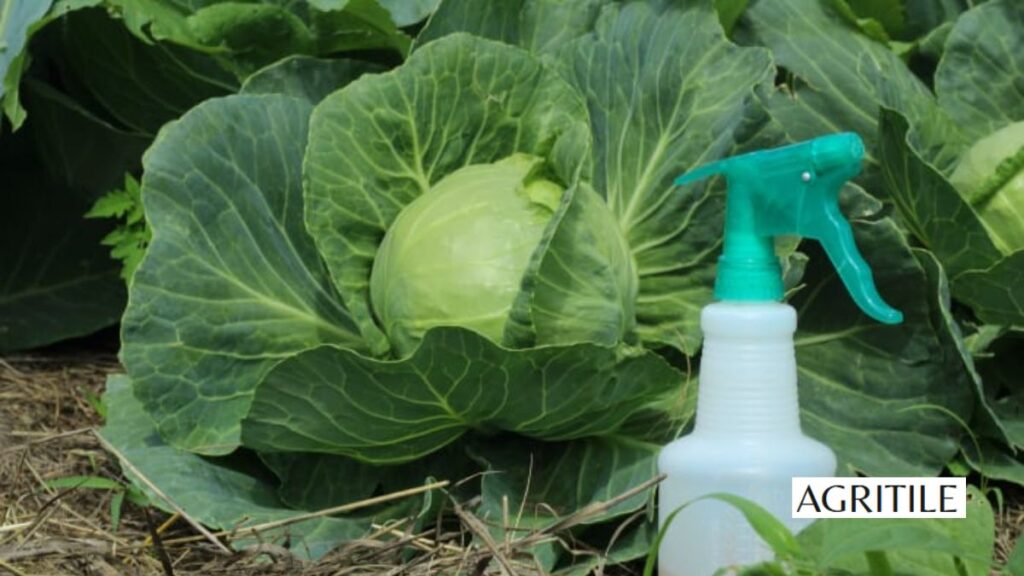
You do not always need to buy a bottle from the store. Home-made recipes are often the cabbage best fertilizer for small plots. Plus, it is a great way to recycle kitchen waste.
First of all, try a banana peel soak for potassium. Chop the peels into small pieces and let them sit in water for 48 hours. This liquid is like a sports drink for your plants. Later, you can strain the peels and pour the water right on the soil.
Additionally, eggshells provide much-needed calcium. You should dry them, crush them into a fine powder, and then mix them into your compost tea. On top of that, coffee grounds are a fantastic source of nitrogen for leafy growth. However, do not use too much coffee as it can make the soil too acidic.
Finally, the “Jurassic-sized” secret is aerated compost tea. Mix aged compost with molasses and water, then use a pump to bubble air through it for 24 hours. This liquid is alive with good bacteria that help the cabbage eat better.
What is the best fertilizer for cabbage plants to prevent disorders?
Even with lots of food, cabbages can get “sick” from missing minerals. Tip burn is a classic problem where the leaf edges turn black. This happens because the plant cannot get enough calcium to the outer edges. Therefore, the Best Liquid Fertilizer for Cabbage Bigger Heads must include calcium.
Similarly, hollow stems are usually a sign of boron deficiency. You will not see it until you cut the cabbage open. Also, yellowing of older leaves means the plant is starving for nitrogen. Purple leaves often point to a lack of phosphorus.
| Nutrient Deficiency | Visible Sign | Fix |
| Nitrogen | Yellowing leaves | High-N liquid feed |
| Calcium | Black/Brown leaf tips | Calcium nitrate or eggshell tea |
| Phosphorus | Purple leaf tint | Fish bones or rock phosphate |
| Boron | Hollow stems | Balanced micronutrient spray |
Additionally, testing your soil pH is vital. If the soil is too acidic (below 6.0), the plant cannot “unlock” the food you give it. You can use wood ash in your liquid mix to help bring the pH back up to a healthy level.
Tips and tricks for Jurassic-sized cabbage heads
Want heads that weigh 15 pounds like the “Danish Ballhead” variety? It takes more than just a quick spray. First of all, spacing is key. Give your big varieties at least 45 cm to 60 cm of room between rows. Crowded plants compete for food and stay small.
On top of that, consistent watering is essential. Cabbages are heavy water consumers. If the soil dries out and then gets soaked, the head might crack open. Therefore, using a drip irrigation system with your liquid feed is the most efficient method.
Similarly, mulching helps keep the moisture in. Use grass clippings or straw around the plants. This stops the sun from baking the roots and prevents fertilizer runoff. Plus, it keeps the outer leaves clean from dirt splashes.
Statistical data on cabbage yields and fertilizer reduction
Modern research shows we might be over-fertilizing our soils. A study found that reducing the recommended dose of fertilizer (RDF) and adding foliar sprays actually works better. For example, using only 66 percent of the normal dry fertilizer plus a 2.5 percent foliar spray resulted in the highest marketable yield.
This method produced cabbage heads with a diameter of 15.78 cm and a weight of nearly 1 kg per head in specific trials. Additionally, this approach saves the farmer money on input costs. Similarly, it reduces environmental pollution like nitrogen leaching into water.
Therefore, using the Best Liquid Fertilizer for Cabbage Bigger Heads as a supplement to reduced soil feeding is a win-win for everyone. You get bigger crops and a healthier planet at the same time.
FAQ’s
What is the best homemade fertilizer for cabbage?
It is a mix of compost tea, fish emulsion, and banana peel water. These provide the perfect blend of nitrogen for leaves and potassium for head weight. Be careful not to overfeed, as cabbages prefer a steady, balanced diet.
Can I use coffee grounds for cabbage?
Yes, but only in small amounts. Coffee grounds add nitrogen and help the soil structure. However, you should mix them into compost first so the acidity does not build up too much around the sensitive roots.
How often should I fertilize cabbage with liquid solutions?
Every two to three weeks is the standard rule. You should stop or reduce feeding once the heads reach their full size. Overfeeding late in the season can cause the heads to split or crack.
Is Epsom salt good for cabbage plants?
It is helpful only if your soil lacks magnesium. You can dissolve one tablespoon in a gallon of water and apply it once a month. However, too much magnesium can stop the plant from absorbing other important nutrients.
Can eggshells help my cabbage crop?
They are great for providing slow-release calcium. This helps prevent tip burn and keeps the heads firm. For faster results, grind them into a very fine powder before adding them to your liquid tea.
Why is my cabbage fail to form a head?
This is often caused by heat stress or too much nitrogen. High nitrogen makes the plant grow huge, loose leaves but no tight center. Similarly, inconsistent watering or high temperatures can stop head formation.
Is seaweed safe for cabbage?
Yes, seaweed tea is excellent for stress tolerance. It is packed with micronutrients that help the plant handle drought or pests. Always remove excess salt from fresh seaweed before making your brew.
Does vinegar help cabbage grow?
No, it is generally a bad idea. Cabbage prefers only slightly acidic soil, and vinegar can drop the pH too low. Use vinegar only for killing weeds in the walkways, never near your crop roots.
Concluding Words
Growing massive, healthy cabbage is a rewarding challenge for any gardener or farmer. The Best Liquid Fertilizer for Cabbage Bigger Heads is the one that balances immediate hunger with long-term soil health. Whether you choose a high-tech store-bought spray or a “lazy” home-made compost tea, consistency is the most important factor.
Do not forget to watch your plants for signs of trouble like yellowing leaves or black tips. Early action with a quick liquid boost can save your harvest. Plus, keeping your soil pH between 6.0 and 6.8 will ensure your fertilizer actually does its job.
Finally, remember that timing is everything. Feed them well during the leafy growth stage, but back off once those heavy heads start to firm up. With a little care and the right liquid food, you will be harvesting Jurassic-sized veggies in no time!