Fig trees are amazing plants that bring a touch of the Mediterranean to any backyard or farm. Many people think these trees do not need much help to produce fruit. However, if you want a massive harvest, you must feed them the right nutrients at the right time. Best Liquid Fertilizer for Fig Trees – 7 Proven Options for Bigger Harvests is a topic every gardener should know. Liquid feeds go straight to the roots and leaves for fast action. This guide will show you exactly what to use for the best results this season.
You can change a mediocre harvest into a bumper crop with the right care. This requires a clear plan and the best products available. Plus, liquid options are easier to use for trees in pots. The secret lies in the balance of the soil and the health of the roots. You will find that some choices are organic while others are synthetic. Both have a place in a successful garden. Therefore, you should prepare your tools and get ready to feed your trees for success.
- Fast nutrient delivery for quick growth.
- Better fruit quality and taste.
- Easy timing control for every season.
What is the Best Liquid Fertilizer for Fig Trees?
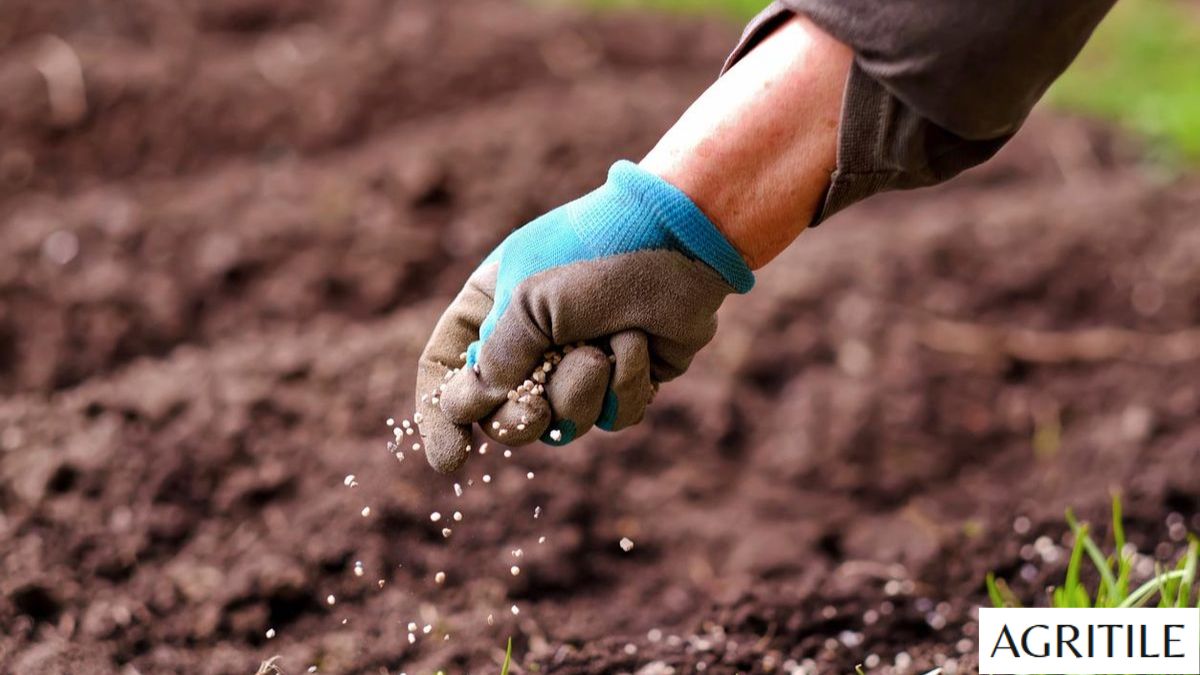
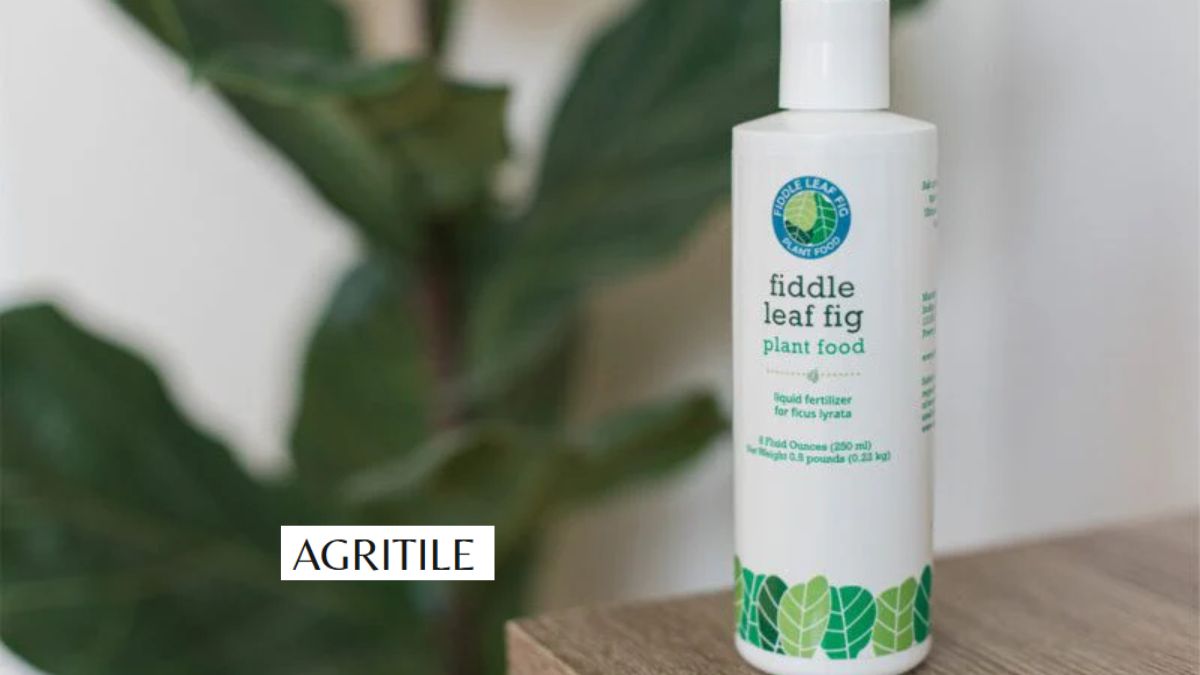
Liquid fertilizer is a type of plant food that you mix with water before you use it. It works faster than solid beads because the plant can drink it up right away. Why is this important? Because fig trees in pots run out of food very fast. You can also spray it on the leaves to fix problems quickly. This method is a great choice for any gardener who wants to see quick growth. Additionally, it helps you control exactly how much food your tree gets every week.
You must know what fertilizer to use for fig tree health. Nitrogen, phosphorus, and potassium are the big three. These are often called NPK. Nitrogen helps the leaves grow green and strong. Phosphorus helps the roots and the fruit develop well. Potassium keeps the tree healthy and helps it fight off diseases. You should use a balanced mix like 10-10-10 for the best results.
| Fertilizer Type | NPK Ratio | Primary Benefit |
| Balanced Liquid | 10-10-10 | General growth and health |
| Fish Emulsion | 5-1-1 | High nitrogen for leaves |
| Kelp Extract | 0.5-0-0.5 | Micronutrients and stress relief |
Many growers prefer liquid feeds because they do not leave a mess. You can just pour them into a watering can and go. This is very helpful if you have many trees. On top of that, liquid feeds do not build up salts as fast as some solids if you use them right. You must always read the label to avoid mistakes.
Importance of Feeding Your Trees for a Bigger Harvest
A fig tree that is hungry will not give you much fruit. You might see yellow leaves or small figs that fall off too early. Why does this happen? The soil may lack the minerals the tree needs to build its crop. If you give the tree the Best Liquid Fertilizer for Fig Trees – 7 Proven Options for Bigger Harvests, it will have the energy to produce more fruit. Healthy trees also survive the winter better.
Growth is the main sign that your tree is happy. A mature tree should grow about one foot of new wood every year. If it grows less than that, it is time to feed it. You should also look at the color of the leaves. Deep green leaves mean the tree has enough nitrogen. Pale or yellow leaves are a cry for help.
| Nutrient | Deficiency Sign | How to Fix It |
| Nitrogen | Yellow leaves, slow growth | Use high nitrogen liquid feed |
| Phosphorus | Dull leaves, few fruits | Apply a bloom booster |
| Potassium | Weak stems, scorched leaf edges | Use a potassium-rich foliar spray |
Farmers who want the best crops often use foliar sprays. This means you spray the food directly on the leaves. The leaves soak it up fast and start to work better. Similarly, this can help a tree that has root problems. It is a smart trick for any serious gardener.
How to Choose the Right NPK Ratio
The NPK numbers on a bottle tell you the percentage of each nutrient. A 10-10-10 mix has ten percent of each. This is a balanced diet for most trees. However, young trees might need more nitrogen to get big. You could use a 20-20-20 mix for a baby tree to help it build roots and branches.
Once the tree is old enough to give fruit, you should change your plan. Too much nitrogen late in the year makes lots of leaves but no figs. It can also make the fruit split open if you are not careful. Therefore, you should look for a mix with more potassium for the fruit. This helps the figs taste sweet and grow large.
Some experts like a 10-5-12 ratio for the best results. This gives enough nitrogen for health but extra potassium for the fruit. You should always do a soil test before you spend money on big bottles of feed. This tells you exactly what is missing in your dirt. Do not guess when you can know the truth.
Best Liquid Fertilizer for Fig Trees – 7 Proven Options for Bigger Harvests
You have many choices when you go to the store. Here are seven options that really work for fig lovers everywhere.
- Alaska Fish Fertilizer (5-1-1): This is a classic choice for organic growers. It is very high in nitrogen which makes leaves look great. Danny from MyFigStix says it smells bad but works wonders.
- Fox Farm Kelp Me Kelp You: This is a seaweed-based liquid. It is full of trace minerals and plant hormones. It helps trees handle heat and stress much better.
- Fox Farm Grow Big (3-2-6): This mix has more potassium than nitrogen. It is great for helping a tree build strong roots and sweet fruit.
- Fox Farm Big Bloom: This one uses earthworm castings and bat guano. It is very gentle and full of good microbes for the soil.
- Cal-Mag Liquid: Fig trees love calcium and magnesium. This helps prevent the fruit from rotting on the tree. Limestone-rich soils are where figs grow best in the wild.
- Super Thrive: This is not a main fertilizer but a vitamin boost. It has Vitamin B1 which helps trees get over the shock of being moved to a new pot.
- Homemade Compost Tea: You can make this by soaking good compost in water. It is full of life and very cheap to make at home.
Every one of these is a best organic liquid fertilizer for fruit trees in its own way. You can even mix some of them together if you are careful. Danny recommends mixing them in a big bucket and stirring well before you pour. This ensures that every tree gets the same amount of food.
Step by Step: How to Apply Liquid Fertilizer
Applying liquid feed is easy if you follow these steps. You will need a bucket, a measuring cup, and your fertilizer.
- First of all, water your tree: Never put fertilizer on a dry tree. The soil must be damp so the roots do not get burned.
- Mix the solution: Follow the label on the bottle exactly. Use a gallon of clean water and add the right number of tablespoons.
- Stir it up: Use a stick to mix the liquid and the water. Do this every time you dip your cup into the bucket.
- Pour it on: Pour the mix around the base of the tree. Start from the trunk and go out to the edge of the leaves.
- Repeat every two weeks: A steady schedule is better than one big dose. Set a reminder on your phone so you do not forget.
You should stop feeding your trees by the end of July. Why? Because the tree needs to rest for the winter. If you feed it too late, the new branches will be soft. The frost will kill them when the cold hits. Be smart and follow the calendar.
Best Liquid Fertilizer for Fig Trees: Timing for Harvests
Timing is everything in the garden. You should start your feeding plan in the early spring. This is when the first tiny green leaves appear. The tree is waking up and it is very hungry for nutrients. If you feed it now, you will get a great “breba” crop in the early summer.
During the hot summer months, the tree works on its main crop. This is the time to keep the water and food coming. You should use the Best Liquid Fertilizer for Fig Trees – 7 Proven Options for Bigger Harvests to keep the tree strong. However, you should stop once the figs start to get soft and ripe. Too much food at the end can ruin the flavor of the fruit.
In some warm places, the tree might grow again in the late summer. You can give a very light feeding then to help it out. But remember to stop two months before the first frost. This lets the wood get hard and tough for the winter. A healthy tree will come back even stronger next year.
Understanding the Importance of Micronutrients
Figs need more than just NPK to be happy. They also need secondary nutrients like calcium and magnesium. These minerals help the tree build strong cell walls. Did you know that figs love lime? They often grow in rocky places with lots of limestone. If your soil is too acidic, you must add lime to fix the pH.
Silica is another secret weapon for fig growers. It makes the tree tough so bugs cannot bite the leaves as easily. It also helps the fruit look and taste better. You can find silica in some specialized liquid feeds. Trace minerals like iron and zinc are also important. They keep the leaves from turning yellow in the middle of the summer.
| Micronutrient | Purpose | Source |
| Calcium | Strong fruit, prevents rot | Cal-Mag, Lime, Gypsum |
| Iron | Green leaves, healthy growth | Ironite, Trace mineral liquids |
| Silica | Pest resistance, fruit quality | Silica additives |
If you use a best organic liquid fertilizer for fruit trees, it often has these minerals already. Kelp and fish are full of these tiny but important elements. They act like a multi-vitamin for your trees. Plus, they help the soil stay healthy for a long time.
Tips and Tricks for Container Fig Trees
Growing figs in pots is a great way to save space. But these trees need much more care than trees in the ground. The water washes the nutrients out of the bottom of the pot every time you water. Therefore, you must feed them more often. A liquid diet is the best way to keep them happy.
You should use a liquid feed every one or two weeks. Danny uses a two-cup dose for his large planters. This ensures the soil stays rich with food. You must also check the size of the pot every year. If the roots are circling the inside, the tree is rootbound. It will not grow well no matter how much you feed it.
Gradually, you will learn how much water and food your potted tree needs. Watch the drainage holes. If you see a white crust on the soil, you are using too much fertilizer. This is salt buildup and it can kill the roots. Flush the pot with lots of plain water to fix this. It is a simple fix for a common problem.
What to Fertilize Fig Tree With: Avoiding the Burn
Over-fertilizing is a common mistake for new gardeners. It is much better to give too little than too much. Why? Because you can always add more, but you cannot take it away easily. Too much nitrogen makes the tree grow like crazy but gives you no fruit. It can also burn the tips of the leaves and turn them brown.
If you see these signs, stop feeding the tree right away. Give it plenty of water to wash the extra salts out of the soil. On top of that, you might need to remove the top inch of dirt where the salts are thickest. Be careful with chemical fertilizers because they are very strong. Organic options are usually safer for the tree.
Always follow the instructions on the back of the bottle. Do not double the dose thinking it will help the tree grow faster. It will only hurt the plant. Plus, it is a waste of your money. Stick to the plan and your tree will reward you with plenty of figs.
FAQ’s
When is the best time to fertilize my fig tree?
The best time is in the early spring as soon as you see new growth. You should stop by the end of July to let the tree get ready for winter.
What is the best NPK ratio for figs?
A balanced 10-10-10 or 8-8-8 is usually perfect for most mature trees. Young trees can use something higher in nitrogen like 20-20-20 to get a good start.
How do I know if I am over-fertilizing?
Look for brown leaf edges, yellowing leaves, or a white crust on the soil surface. If the tree has tons of leaves but no fruit, you might be giving it too much nitrogen.
Can I use liquid fertilizer on the leaves?
Yes, this is called foliar feeding. It is a fast way to get nutrients into a sick tree. Do it in the morning or evening so the sun does not burn the wet leaves.
Does my potted fig tree need more food?
Yes, it does. Nutrients wash out of pots quickly with every watering. You should feed container figs every week or two during the growing season.
Is fish emulsion good for fig trees?
It is excellent because it is high in nitrogen and organic matter. It helps the tree grow strong leaves and keeps the soil healthy. Be warned that it has a very strong smell.
What minerals besides NPK do figs need?
They really love calcium, magnesium, and sulfur. These help with fruit health and prevent diseases. You can find these in many high-quality liquid fertilizers.
How much fertilizer should a mature tree get?
A mature tree in the ground might need about half a pound of balanced feed for every foot of height. This is spread out over the whole year. For liquids, follow the bottle’s mixing instructions per gallon.
Can I make my own liquid fertilizer?
You certainly can by making compost tea. Steep good compost or worm castings in water for a day. This creates a gentle and cheap food for your trees.
Concluding Words
Finding the Best Liquid Fertilizer for Fig Trees – 7 Proven Options for Bigger Harvests is a journey every grower should take. You now know that liquid feeds are fast and effective for both young and old trees. Whether you choose fish emulsion or a balanced chemical mix, the key is consistency. Remember to start in the spring and stop in the mid-summer for the best health.
Your fig tree will tell you what it needs if you look closely at the leaves. Use the tips in this guide to build a plan that works for your garden. Growing figs is a joy that rewards you with sweet fruit for many years. Take care of your soil and your trees will take care of you. Finally, share your harvest with friends and enjoy the fruits of your hard work.