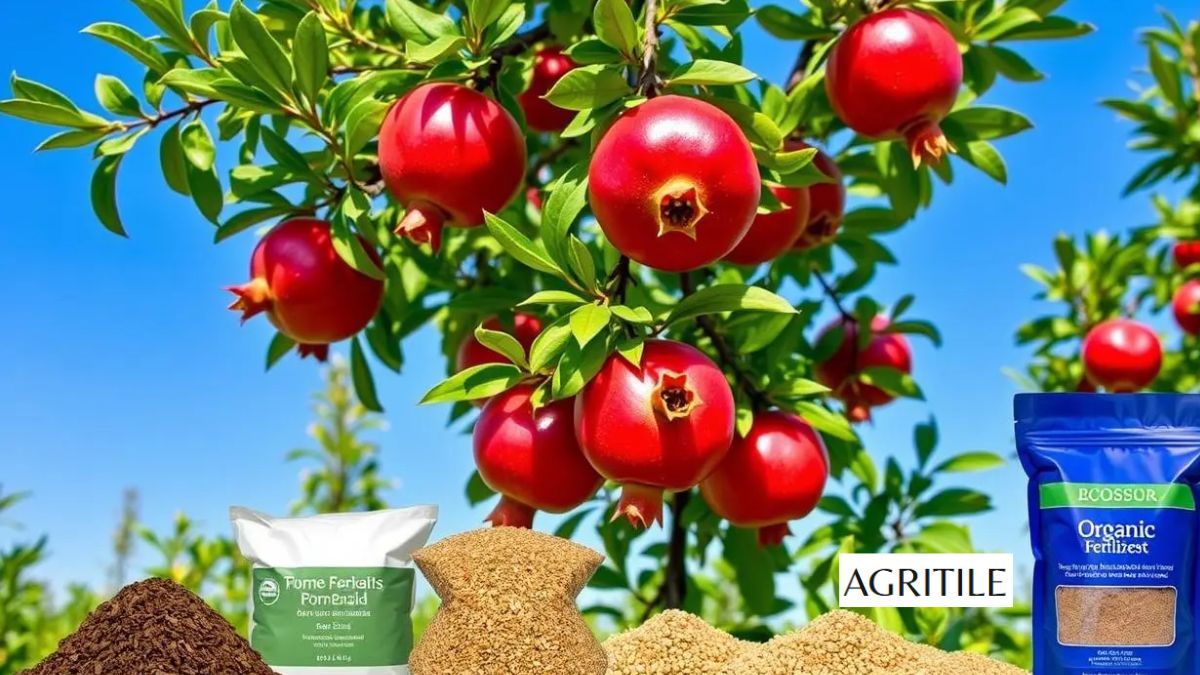
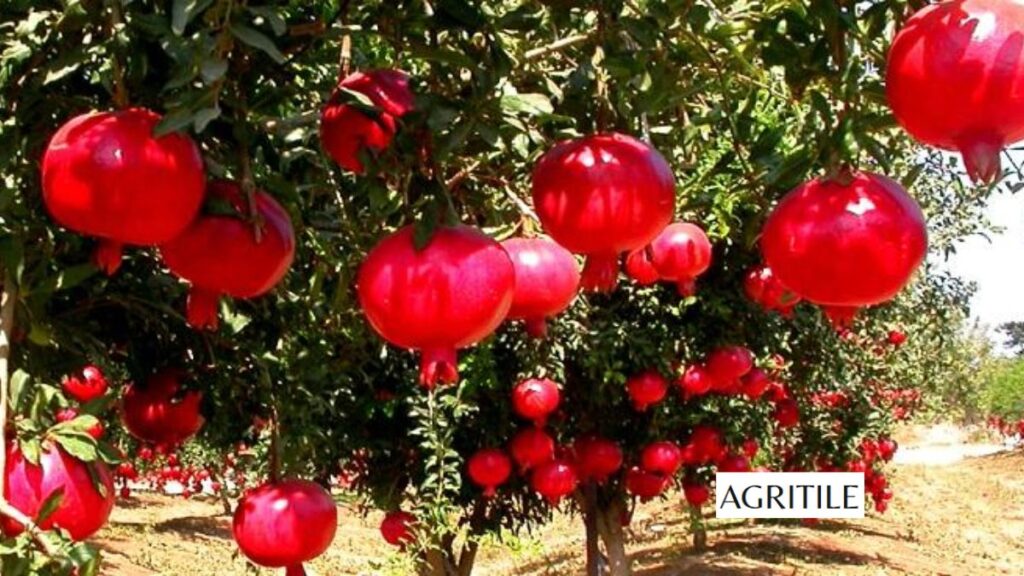
Pomegranate trees are truly amazing plants that give us beautiful red fruits and glossy green leaves. Many people struggle to get a big harvest because they do not give their trees the right nutrients. You can change your garden results by picking the Best Liquid Fertilizer for Pomegranate Trees. This type of food goes straight to the roots and leaves to help the tree grow fast and stay strong.
The secret to a great harvest is the fast action of liquid food. Soil sometimes locks up nutrients, but a liquid fertilizer for pomegranate trees bypasses these problems. At that time, your trees can use the food immediately to make bigger and sweeter fruits. We will explore the top choices and methods to help you succeed. You will learn how to use the Best Liquid Fertilizer for Pomegranate Trees to make your orchard thrive like never before.
- Liquid fertilizers reach roots and leaves much faster than granular types.
- Balanced NPK ratios like 10-10-10 are perfect for young trees.
- Calcium and boron are vital to stop fruit from splitting or cracking.
What is the Best Liquid Fertilizer for Pomegranate Trees?
You might wonder what makes a fertilizer the Best Liquid Fertilizer for Pomegranate Trees. It is simply a product that gives the tree exactly what it needs at the right time. A good choice usually has a balanced mix of nitrogen, phosphorus, and potassium. Nitrogen helps the leaves stay green and healthy. Phosphorus and potassium are the keys for flowers and juicy fruit.
Many experts suggest a balanced formula like 20-20-20 for general growth. However, mature trees might need less nitrogen so they do not just grow leaves. They need more phosphorus to make those bright red flowers. Additionally, the Best Liquid Fertilizer for Pomegranate Trees should include micronutrients like zinc and boron. These small elements prevent fruit deformities and help the tree stay healthy.
Importance of Feeding Your Trees Correctly
Pomegranate trees can survive in poor soil, but they will not give you much fruit there. Proper feeding is the difference between a few small fruits and a heavy branches full of pomegranates. First of all, the tree needs energy to build a strong frame. Later, it needs specific minerals to hold onto its flowers so they can turn into fruit.
If you ignore the nutritional needs, the tree might look sick or grow very slowly. You might see yellow leaves or fruit that drops before it is ripe. On top of that, a well-fed tree can handle cold weather and pests much better. Therefore, a regular schedule with an organic fertilizer for pomegranate trees is a smart move for any gardener.
The Magic of liquid fertilizer for pomegranate trees
Why do so many pros love liquid fertilizer for pomegranate trees? The answer is simple. Liquids are very easy for the plant to drink up. At that time, the nutrients move through the tree almost instantly. This is perfect if your tree looks hungry and needs a quick boost. Plus, you can use these as foliar sprays.
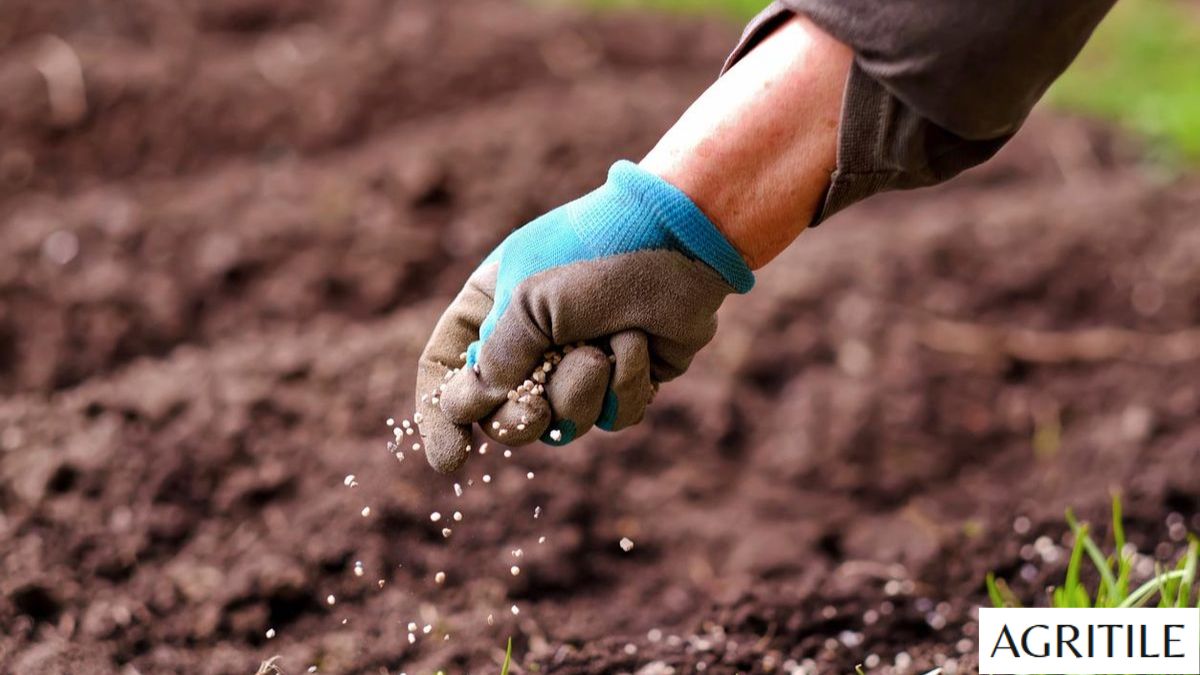
Foliar feeding means you spray the food directly on the leaves. The leaves absorb the minerals fast, which helps fix nutrient gaps in days. This is much faster than waiting for solid pellets to break down in the dirt. Similarly, you can mix these liquids into your irrigation system for a process called fertigation. It is a very efficient way to feed a whole orchard with the Best Liquid Fertilizer for Pomegranate Trees.
How to Choose an organic fertilizer for pomegranate trees
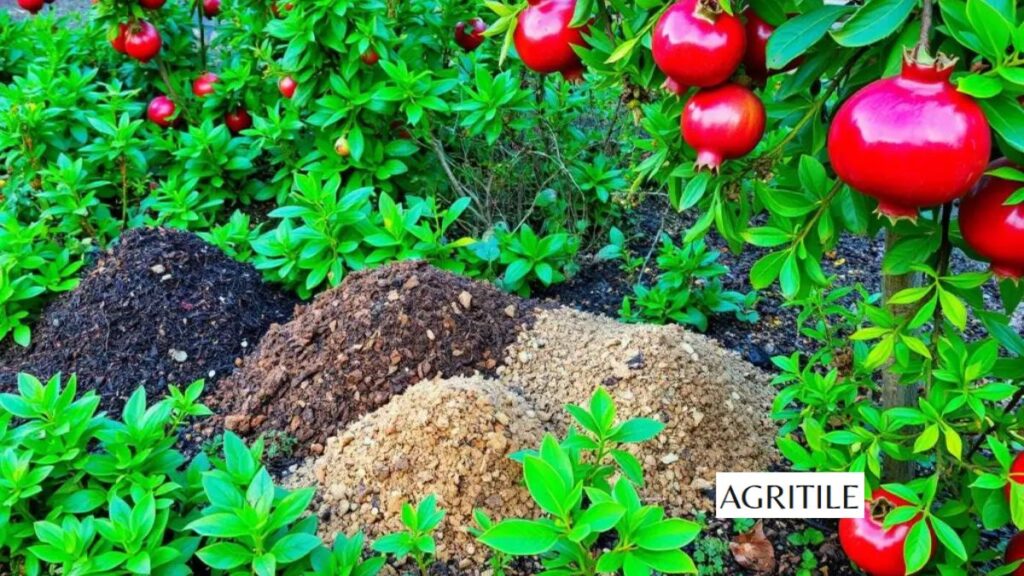
Many growers prefer an organic fertilizer for pomegranate trees because it is gentle on the earth. Natural options build up the soil over time instead of just feeding the plant. First of all, look for fish emulsion. This is a high-nitrogen liquid that helps young trees get a great start.
Another top pick is seaweed extract. It contains growth hormones like auxins and cytokinins. These help the roots grow deep and strong. On top of that, seaweed helps the tree handle stress from heat or cold. You can also make your own organic fertilizer for pomegranate plant by using compost tea or worm castings. These liquids are full of beneficial microbes that keep the soil alive.
| Fertilizer Type | How to Apply | Main Benefit |
| Fish Emulsion | Dilute 1:100 with water | High nitrogen for fast leaf growth |
| Seaweed Extract | Spray on leaves or soil | Growth hormones for root health |
| Balanced 20-20-20 | Mix with water and pour | Complete nutrition for all stages |
Step by Step: How to Apply Fertilizer for Maximum Results
You must follow a plan to get the best results from the Best Liquid Fertilizer for Pomegranate Trees. First, test your soil pH to make sure it is between 5.5 and 7.0. If the soil is too acidic or alkaline, the tree cannot eat its food properly.
- Dilute the mixture. Always follow the label but start with half-strength for young trees to avoid root burn.
- Water the soil first. Never apply liquid food to dry dirt because it can hurt the roots.
- Apply at the drip line. Pour the liquid in a circle under the outer branches where the roots are most active.
- Avoid the trunk. Keep the fertilizer at least 5 inches away from the main trunk to prevent rot.
- Water again. This helps the food sink deep into the ground where the roots can find it.
Special Tips for Using organic fertilizer for pomegranate plant
Using an organic fertilizer for pomegranate plant requires some extra care for the best outcome. First of all, timing is everything. Start your feeding in early spring when the first leaves appear. This gives the tree the energy it needs to start the season strong. Additionally, do not overfeed the tree. Too much nitrogen will give you lots of green leaves but zero fruit.
If you use homemade liquids like compost tea, make sure they are well-strained. You do not want bits of solid matter clogging your sprayer or drip lines. Also, think about using kelp meal to add trace minerals to your mix. These small additions can make the fruit taste much sweeter. Gradually, you will see your tree become more productive and healthy.
Why You Should Use organic fertilizer for pomegranate in Pots
Growing pomegranates in containers is very popular now. However, potted plants need a lot more help because their roots cannot go far to find food. This is where organic fertilizer for pomegranate really shines. Potted soil loses nutrients fast every time you water the plant. Therefore, you should feed your potted tree every 2 to 4 weeks during the growing season.
A liquid formula is best for pots because it spreads evenly through the soil. You can use a mix of fish emulsion and seaweed for a complete organic diet. Similarly, you might want to try a balanced 10-10-10 liquid food. Always check if the water is draining well from the pot. If the soil stays too wet, the roots will rot even if you have the Best Liquid Fertilizer for Pomegranate Trees.
Signs Your Tree is Hungry for Nutrients
You should watch your tree closely for signs of trouble. Yellow leaves often mean the tree needs more nitrogen. If the older leaves turn red or purple, it might be a sign of phosphorus deficiency. On the contrary, if new leaves are odd-shaped, the tree probably needs more calcium.
- Nitrogen Gap: Leaves turn yellow and fall off early.
- Calcium Gap: Fruits crack and split open on the branch.
- Boron Gap: Growing tips die and roots stop developing.
- Iron Gap: New leaves look very pale yellow while the veins stay green.
| Deficiency | Symptom | Quick Fix |
| Nitrogen | Yellow old leaves | Fish emulsion or Urea |
| Potassium | Aril discoloration | Liquid Sulfate of Potash |
| Zinc | Small, droopy spots | Zinc foliar spray |
Advanced Methods: Split Applications and Foliar Sprays
Serious farmers use split applications to get the highest yields. Instead of one big feeding, they break it into three or four smaller doses. One study in Karnataka showed that using 100 percent of the recommended food in splits plus a liquid bio-formulation called Jeevamrutha led to a yield of 18.55 kg per plant. At that time, the control group only gave 12.48 kg per plant. That is a huge difference!
Another great trick is using a foliar spray with potassium nitrate and boric acid. Research shows this can reduce fruit splitting by over 48 percent. Plus, it can increase fruit size and overall yield to about 21.9 kg per plant. This is why many people say these sprays are part of the Best Liquid Fertilizer for Pomegranate Trees routine. You should apply these sprays during the second and eighth weeks after the flowers bloom for the best results.
FAQ’s
Can I use coffee grounds for my pomegranate tree?
Yes, you can use them! Coffee grounds help lower the soil pH, which pomegranates love. You can add them to your compost or mix them into the soil around the tree. They provide a small amount of nitrogen too.
How often should I apply the Best Liquid Fertilizer for Pomegranate Trees?
Most gardeners apply it every 2 to 4 weeks during the spring and summer. You should stop feeding by late August. Late feeding causes new growth that can freeze and die in the winter.
Why is my pomegranate fruit splitting open?
This usually happens because of uneven watering or a lack of calcium and boron. Heavy rain after a dry spell makes the inside of the fruit grow faster than the skin. Using a liquid fertilizer for pomegranate trees with calcium can strengthen the skin.
Is fish emulsion good for pomegranates?
It is excellent, especially for young trees! Fish emulsion is an organic fertilizer for pomegranate trees that is very high in nitrogen. It helps the tree build lots of healthy green leaves quickly.
What is the best NPK ratio for pomegranates?
For young trees, a balanced 10-10-10 or 20-20-20 is best. For mature trees that you want to flower, look for something higher in phosphorus like 5-10-5. This helps the tree focus on making fruit instead of just leaves.
Can I spray fertilizer on the leaves?
You certainly can! Foliar sprays are a great way to give your tree a fast boost. The leaves absorb the nutrients much quicker than the roots. This is a key part of using the Best Liquid Fertilizer for Pomegranate Trees to fix deficiencies.
Should I fertilize my tree in the winter?
No, you should not. Pomegranate trees go dormant in the winter and stop growing. Feeding them during this time is a waste of money and can hurt the tree if it tries to grow in the cold.
What is Jeevamrutha?
It is a natural liquid bio-fertilizer made with cow dung, urine, jaggery, and pulse flour. It is a powerful organic fertilizer for pomegranate plant that adds millions of good microbes to the soil. Studies show it greatly improves fruit yield and quality.
How do I know if my tree has too much fertilizer?
You will see yellow leaves with brown tips or the tree might start to wilt. Sometimes, the tree grows a massive amount of leaves but never makes any flowers. If this happens, wash the soil with lots of water to dilute the extra food.
Concluding Words
Picking the Best Liquid Fertilizer for Pomegranate Trees is the smartest way to ensure a huge harvest of sweet fruit. These fast-acting liquids give your trees the perfect boost exactly when they need it most. Whether you choose a balanced synthetic mix or a rich organic fertilizer for pomegranate, consistency is your best friend. Remember to watch for signs of hunger and adjust your plan as the tree grows.
A good schedule with a liquid fertilizer for pomegranate trees will lead to strong branches and heavy fruits year after year. You can even try advanced tricks like foliar sprays to stop fruit splitting and improve size. With a little bit of care and the right food, your pomegranate orchard will be the pride of your garden. Do not wait for your trees to look hungry. Start using the Best Liquid Fertilizer for Pomegranate Trees today and enjoy the crimson rewards!