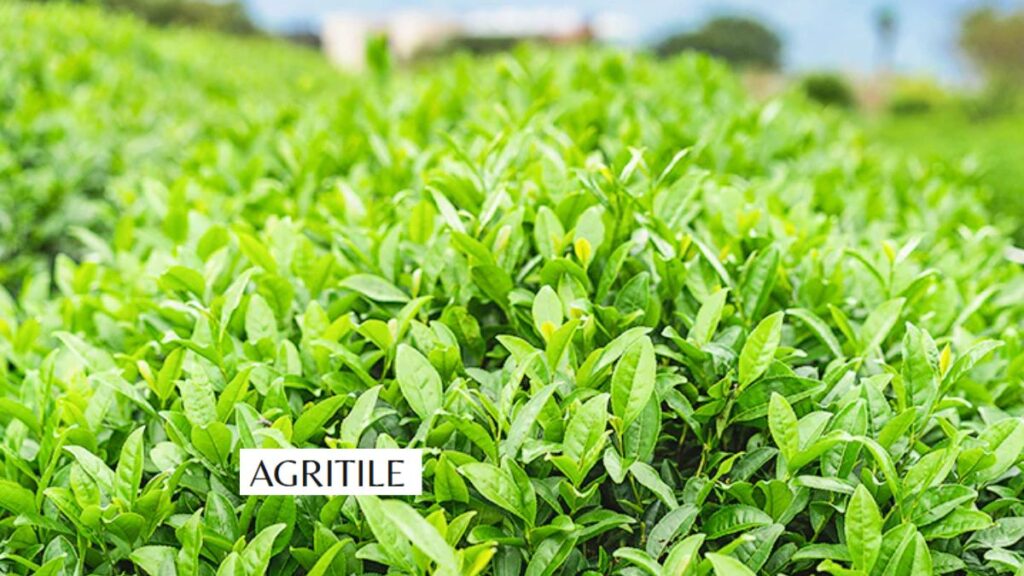
Growing tea plants is a journey of patience and precise care for any gardener or farmer. These plants, known as Camellia sinensis, are heavy feeders that take a lot of nutrients from the soil every single year. Because you pluck the young shoots and leaves so often, the soil loses its strength quite fast. You must put those nutrients back if you want a harvest that tastes great and looks healthy. Nitrogen is the most vital element for this process because it helps the plant create theanine. This amino acid is the secret behind that savory, umami flavor we all love in a good cup of tea.
The Best Liquid Fertilizer for Tea Plants makes a huge difference in how your garden grows. Liquid forms are often superior because they reach the roots almost immediately. You can also use them as a foliar spray to fix nutrient problems within just a few days. Many professional growers in places like Japan and Kenya now use liquid feed to boost their yields by as much as 40 percent. This guide will show you how to pick the right products and use them like a pro. Plus, we will look at how you can manage soil health for a long-lasting garden.
- Nitrogen is the top priority for building sweet umami flavors.
- Liquid fertilizers provide fast relief and better control over plant growth.
- Soil pH must stay between 4.5 and 6.0 for the tea plant to thrive.
What is the Best Liquid Fertilizer for Tea Plants?
First of all, you must understand that tea plants love acidic conditions. A liquid fertilizer for plants that prefer acid is usually the best choice for your garden. These products often contain extra sulfur or phosphoric acid to keep the soil pH low. Best Liquid Fertilizer for Tea Plants options typically include high nitrogen levels to support leaf growth. Nitrogen is the main driver for the quality of the first spring harvest. On top of that, these liquid feeds often include trace minerals like iron, zinc, and manganese.
Similarly, you might consider organic options like fish emulsion. This is a nutrient-rich liquid made from fish waste that provides a quick nitrogen boost. It is very safe for the environment and helps the tiny bugs in your soil stay healthy. However, you must dilute these concentrates before they touch your plants. Using a balanced NPK ratio like 4-1-1 is common for these organic choices. Later, you will see how these organic feeds compare to chemical ones in your daily routine.
Why Liquid Forms Beat Granules for Healthy Growth
The debate between liquid and granular feed is an old one among gardeners. First of all, liquid fertilizer for indoor plants and outdoor tea bushes offers immediate bioavailability. This means the nutrients enter the plant system within hours instead of weeks. Therefore, if your tea leaves look yellow or pale, a liquid feed can fix the issue quickly. Additionally, liquid forms allow for very precise dosing during different seasons. You can give more nitrogen in the spring and more potassium in the late summer.
On the contrary, granular fertilizers release their food very slowly over many months. This is good for long-term feeding but it is hard to adjust if your plant is in trouble. Plus, granules can sometimes cause salt buildup in small pots. This salt crust can burn the sensitive roots of your tea plant. Finally, the Best Liquid Fertilizer for Tea Plants ensures that every part of the root zone gets an equal amount of food. This uniform distribution is much harder to achieve with dry pellets.
Quick Comparison: Liquid vs. Granular Feed
| Factor | Liquid Fertilizer | Granular Fertilizer |
| Speed of Action | Very Fast | Slow and Steady |
| Application Method | Spray or Pour | Mix into Soil |
| Risk of Root Burn | Low if Diluted | Higher if Placed Poorly |
| Best For | Rapid Growth & Recovery | Long-term Maintenance |
The Magic of Nitrogen: Boosting Umami and Flavor
Nitrogen is the most important part of any tea fertilizer program. It directly affects the synthesis of theanine in the roots. Theanine creates the sweet and savory taste that tea drinkers crave. High nitrogen availability during the cold dormant months helps the plant store energy for the spring flush. As a result, the first harvest of the year is usually the most flavorful and expensive. Also, nitrogen helps the leaves stay a deep, lush green color.
Therefore, you should look for the Best Liquid Fertilizer for Tea Plants that has a high first number in its NPK ratio. Professional tea farmers often use ratios like 8-4-5 or 12-6-6. These formulas ensure that nitrogen is always the lead nutrient. Plus, nitrogen helps the plant grow more shoots every few weeks. However, too much nitrogen can lead to salt stress if you do not monitor the soil. Gradually, you will learn to balance this feeding to get the best flavor without hurting the land.
Top Organic Picks: Fish Emulsion and Seaweed
If you prefer natural gardening, fish emulsion is a fantastic choice. This liquid fertilizer for plants provides a balanced NPK ratio of about 4-1-1. It is made through a process of fermentation that keeps the nutrients easy for plants to drink. Additionally, it adds organic matter to your soil which helps drainage and aeration. Fish emulsion is especially good for young tea plants that need a gentle start. You can also use it as a compost tea to make your own best fertilizer for plants at home.
Seaweed solution is another excellent organic tool for your garden. It is actually made from algae and contains many trace minerals that land plants lack. Seaweed is not a full substitute for nitrogen, but it acts as a powerful health tonic. It helps plants recover from stress and reduces the shock when you repot them. Similarly, it can be sprayed directly onto the leaves for a quick pick-me-up. This makes it one of the best fertilizer for flowering plants and specialty crops like tea.
Organic Fertilizer Application Guide
- Fish Emulsion: Mix 1 tablespoon into 1 gallon of water.
- Seaweed Solution: Mix 3 ml of extract into 1 liter of water.
- Frequency: Apply these mixtures every two to four weeks during the growing season.
Managing Soil pH for Acid-Loving Tea Plants
Tea plants are quite picky about their soil acidity. They thrive best when the pH level is between 4.5 and 5.6. If the soil is too alkaline, the plants will struggle to grow and the leaves might turn yellow. This is why the Best Liquid Fertilizer for Tea Plants often includes sulfur-based compounds. Sulfur is a natural way to lower the pH of your garden soil over time. Additionally, products like phosphoric acid can lower pH very quickly while providing phosphorus.
Similarly, you should test your soil pH at least once a month if you use liquid feed. Repeated applications of some fertilizers can slowly change the soil chemistry. If the pH drifts above 6.0, you might need a specialized product like Sulforex to bring it back down. On top of that, avoid using lime in your tea garden unless the soil is extremely acidic. Lime contains calcium which can actually stop the plant from taking up potassium. Therefore, keeping the soil acid is a top priority for any serious tea grower.
Step-by-Step Guide to Applying Liquid Fertilizer under the Canopy
Modern research shows that applying liquid fertilizer directly under the tea plant canopy is very effective. This method, sometimes called fertigation, puts the food right where the roots are most active. It also helps keep the soil moist during hot summer months. Here is how you can do it at home:
- First of all, check the weather and ensure rain is not about to wash your hard work away.
- Dilute your chosen liquid feed according to the label instructions to avoid root burn.
- Clear any heavy debris from under the bush so the liquid can reach the soil easily.
- Pour the mixture slowly around the base of the plant, extending out to the edge of the leaves.
- Alternatively, use a drip system to supply small amounts of food every day for maximum growth.
- Finally, watch for new growth and adjust your schedule if the leaves look too pale or too dark.
This method has been shown to increase tea yields by 40 to 60 percent compared to old-fashioned dry feeding. Plus, it saves water and prevents the fertilizer from running off into nearby streams.
Tips and Tricks for Seasonal Feeding
The timing of your fertilizer application is just as important as the product itself. During the early spring, your plants need a boost to start growing new shoots. A balanced liquid feed is perfect at this stage to support both roots and leaves. Later, in the middle of summer, you should switch to a mix that is higher in phosphorus and potassium. This change helps the plant bloom and strengthens its resistance to diseases. Additionally, potassium helps the tea plant survive cold winters better.
On the contrary, you must reduce feeding as the weather gets colder. Tea plants enter a dormancy stage where they do not grow much on the outside. However, they are still busy on the inside storing nitrogen for the next year. You should apply the Best Liquid Fertilizer for Tea Plants one last time in the late summer or early fall. This helps the plant prepare for the frost. Plus, always make sure there is enough moisture in the soil before you fertilize. Dry soil can make the fertilizer too concentrated and cause damage to the roots.
Making Your Own: Homemade Fertilizer for Potted Plants

If you are a fan of DIY projects, you can make the best homemade fertilizer for flowering plants right in your kitchen. One popular method is called bokashi fermentation. You take organic waste like fish scraps, rice bran, and plant matter and ferment them with special microbes. This process breaks down the nutrients so they are ready for the plants much faster than regular compost. Additionally, you can make a simple compost tea by soaking high-quality compost in water for a few days.
Though it takes some extra effort, these homemade liquids are very cheap and effective. Many people ask, “what is the best homemade fertilizer for plants?” and the answer is usually a mix of nitrogen-rich scraps and beneficial bacteria. You can even use seaweed you find at the beach, though you must wash the salt off first. These natural liquids are excellent for a liquid fertilizer for indoor plants because they do not have the harsh smells of some chemical brands. Just remember to strain the liquid well so it does not clog your spray bottle.
Common Mistakes to Avoid in Tea Cultivation
Even experienced growers make mistakes sometimes. One of the biggest issues is over-fertilizing your plants. Applying too much nitrogen can lead to a salt buildup in the soil. This salt makes it hard for the plant to drink water and can actually kill the roots. You will see this as brown tips on the leaves or a white crust on the soil surface. Therefore, it is always better to use a weaker solution more often than a strong one once in a while.
Another mistake is ignoring the micronutrients. While nitrogen is king, your tea plant also needs zinc, iron, and copper. A lack of zinc can cause distorted leaves and stunted growth. Similarly, an iron deficiency will make the leaves look very pale while the veins stay green. Plus, do not forget to check the water you use for mixing. Hard water with a high pH can sometimes cancel out the benefits of your acidic fertilizer. Always follow the label and keep a close eye on how your plants respond each week.
Summary of Best Practices for Tea Plants
| Goal | Recommended Action |
| Boost Umami Flavor | Use high-nitrogen liquid feed in spring. |
| Fix Yellow Leaves | Apply foliar spray with trace minerals. |
| Maintain Soil Health | Use organic fish emulsion every 4 weeks. |
| Lower Soil pH | Add sulfur or phosphoric acid products. |
FAQ’s
Does organic fertilizer make tea taste better?
It is not a simple yes or no. Organic fertilizers like fish emulsion or bokashi can build better soil health over many years. This often leads to a more complex and layered flavor in the tea leaves. However, chemical fertilizers give you much tighter control over nitrogen levels. This precision can help you maximize theanine and umami for a specific harvest. Many top growers actually use a mix of both for the best results.
How does fertilizer connect to the umami in tea?
The savory umami taste comes from an amino acid called theanine. The tea plant makes theanine in its roots by using the nitrogen it absorbs from the soil. Therefore, the more nitrogen that is available, the more theanine the plant can produce. This is why the Best Liquid Fertilizer for Tea Plants is almost always high in nitrogen. It is also why the first harvest of the spring, which has stored nitrogen all winter, tastes so much better.
What is the ideal N-P-K ratio for tea?
There is no single perfect formula, but most tea fertilizers are very nitrogen-forward. You will often see ratios like 25:5:5 or 26:5:5 used in major tea-growing regions like Kenya. Japanese farmers might use slightly different blends like 8-4-5 or 12-6-6 depending on their specific soil tests. The key is that the first number, which represents nitrogen, should always be the highest. This ensures the plant has enough energy to grow lots of new, tender leaves.
Can I use liquid fertilizer for aquarium plants on my tea?
It is generally not recommended to use a liquid fertilizer for aquarium plants for terrestrial crops like tea. Aquarium fertilizers are specifically designed to be safe for fish and to work underwater. They often lack the high nitrogen levels and specific acidic components that tea plants need to thrive. Plus, they might not have the right balance of micronutrients like zinc and iron that are crucial for tea health. It is much better to stick to a product made for acid-loving land plants.
How often should I apply liquid fertilizer?
During the active growing season, you should apply liquid fertilizer every two to four weeks. This provides a steady stream of nutrients without overwhelming the plant. If you are using a very diluted “weakly weekly” method, you can even feed with every other watering. However, you must stop or greatly reduce feeding during the winter dormancy period. Always check your soil moisture first because fertilizing dry soil can cause root burn.
Is foliar feeding better than root drenching?
Both have their place in a good garden plan. Root drenching is the best way to provide long-term nutrition and improve the soil environment. It reaches the deepest roots and supports the whole plant structure. Foliar feeding, on the contrary, is like a “emergency” boost. The plant absorbs the nutrients through its leaves almost instantly. Use foliar sprays to fix specific mineral deficiencies quickly, but keep root drenching as your main feeding method.
Can I make my own liquid seaweed fertilizer?
Yes, you certainly can! You can collect seaweed from the coast, but you must rinse it thoroughly to remove all the sea salt. Then, you can let it soak in a bucket of water for several weeks until it breaks down into a dark liquid. This creates a powerful homemade fertilizer for potted plants that is full of trace minerals. Just be prepared for a bit of a strong smell during the fermentation process. Dilute the final liquid until it looks like weak tea before using it.
What are the symptoms of nitrogen deficiency in tea?
If your tea plant is hungry for nitrogen, the young leaves will start to turn a light green or yellow color. This is very different from the dark, glossy green of a healthy plant. You might also notice that the plant stops growing new shoots and the overall yield drops. In very bad cases, the leaves will feel hard instead of soft and succulent. Applying the Best Liquid Fertilizer for Tea Plants can usually reverse these signs within a week or two.
Concluding Words
Choosing the Best Liquid Fertilizer for Tea Plants is one of the most important steps for a successful harvest. These plants are hungry for nitrogen and they need an acidic home to stay happy. Liquid feeds offer the speed and precision you need to grow tea that is full of sweet umami flavor.
Whether you pick a natural fish emulsion or a high-tech mineral blend, consistency is the key. Always watch your plants closely and adjust your feeding as the seasons change. With a little bit of care and the right liquid food, your tea garden will flourish for many years to come.