Every gardener wants a yard full of red, juicy fruit that tastes like summer. Tomato plants are famous for being heavy feeders because they need a constant supply of minerals to stay strong. You must pick the Best Liquid Fertilizer for Tomatoes to Boost Healthy Growth if you want to see a record yield this season.
Research from the University of Florida shows these plants suck up huge amounts of nitrogen, phosphorus, and potassium. Hydroponic systems can even produce ten times more fruit than regular soil when the food is just right.
A liquid diet helps your plants because the roots can drink the nutrients almost instantly. You will notice a visible change in just a day or two when you use a fast-acting mineral salt. However, you must be careful not to overdo it because too much food can actually burn the roots.
This guide looks at real experiences from pros and home growers to help you find the Best Liquid Fertilizer for Tomatoes to Boost Healthy Growth. We will cover everything from the seedling stage to the final harvest.
- Timing is key because your plants need different nutrients as they grow from tiny seeds to big vines.
- Calcium and magnesium are the secret weapons that stop your fruit from rotting on the bottom.
- Organic options like fish and seaweed often make the fruit taste much sweeter and better.
What is the Best Liquid Fertilizer for Tomatoes to Boost Healthy Growth?
The Best Liquid Fertilizer for Tomatoes to Boost Healthy Growth is not just one bottle that you use all year. It is a system that changes based on what the plant is doing at that time. First of all, you need to look at the NPK numbers on the label. These numbers show the percentage of nitrogen, phosphorus, and potassium in the mix. A balanced good liquid fertilizer for tomatoes often starts with a 5-5-5 ratio for young plants to get them moving.
Later, the plant needs more “P” (phosphorus) to build a strong root system. Additionally, the best liquid fertilizer for tomato plants must have high potassium once the fruit starts to swell. Potassium is the “fruiting nutrient” that moves sugars into the tomatoes. Plus, it helps the fruit look bright and red. Therefore, you should always check the growth stage before you mix your next batch of plant food.
| Growth Stage | Priority Nutrient | Why It Matters |
| Seedling | Phosphorus | Builds deep, strong roots |
| Vegetative | Nitrogen | Creates lush green leaves and stems |
| Fruiting | Potassium | Improves flavor, size, and sugar |
Why Liquid Feed is a Game Changer for Your Garden
Liquid fertilizers work much faster than solid granules. They deliver food in a form that roots can absorb on contact. This makes them the best liquid fertilizer for tomatoes in pots because soil in containers runs out of nutrients very fast. Rainfall can also wash away salts in the ground, but liquids let you adjust the dose every time you water.
On top of that, liquids allow you to be very precise. You can change the strength based on the weather or how the leaves look. Some growers on a best liquid fertilizer for tomatoes reddit thread suggest that liquid fish fertilizer is great for a gentle nitrogen boost. Similarly, professional brands like YaraFert offer gels and liquids that help with specific problems like weak stems.
The Step-by-Step Guide to Feeding Tomato Seedlings
The best liquid fertilizer for tomato seedlings is usually a phosphorus-heavy mix applied at half strength. You do not want to push the green growth too fast in the beginning. If the top grows faster than the roots, the plant might stall later in the summer.
- Wait for the first true leaves to appear before you start any feeding schedule.
- Dilute your fertilizer to 1/4 or 1/2 of what the bottle says to prevent leaf burn.
- Apply the mix every five to seven days while the seedlings are in their small trays.
- Watch for yellow leaves, which might mean the babies need a little more nitrogen.
Gradually, you can increase the strength as the plants get bigger and move to larger pots. You should always use room-temperature water so you do not shock the tender roots.
Picking Between Organic and Chemical Options
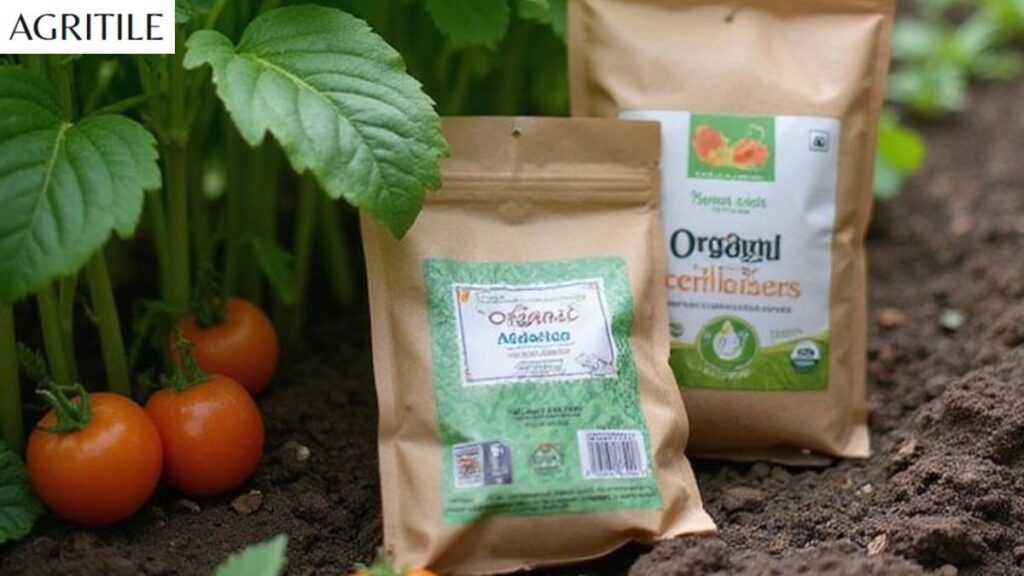
There is a big debate about which is better for the Best Liquid Fertilizer for Tomatoes to Boost Healthy Growth. Mineral or chemical feeds are cheap and give a fast response. On the contrary, organic feeds build better soil over time and improve the taste of your fruit. One chef who started an organic fertilizer company says you can actually taste the difference in a mineral-fed tomato. Organic fruit often has more vitamin C and antioxidants.
However, chemical feeds like Fox Farms Grow Big are very strong and can cause nutrient burn if you are not careful. A user named Cdvermil on Reddit mentioned that even at 1/4 dose, they saw burned leaves. Additionally, chemical runoff can hurt rivers and oceans. Therefore, many people prefer the best liquid fertilizer for tomatoes and peppers to be organic fish or seaweed extracts.
| Feature | Chemical Fertilizer | Organic Fertilizer |
| Speed | Very fast (1-2 days) | Slower and steady |
| Soil Health | Can lower microbial life | Feeds the soil “food web” |
| Fruit Quality | Higher yields, less flavor | Better flavor and vitamins |
| Cost | Usually cheaper | Often more expensive |
Feeding Tomatoes in Containers and Pots
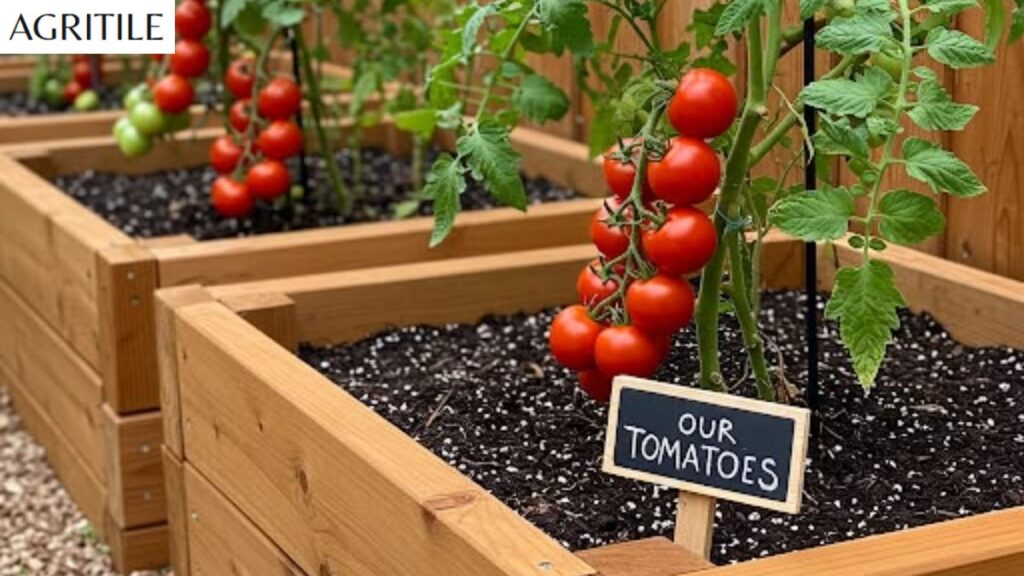
Growing in a pot is different than growing in the ground. The soil in a pot dries out fast and gets hot in the sun. This makes the best liquid fertilizer for tomatoes in pots an essential tool for success. You should flush the pots with plain water once a month to get rid of any salt buildup. Salt crusts on the soil surface are a clear sign that you are over-fertilizing.
A specialist recommends using a fifteen to twenty-gallon pot for big tomato varieties. You should use a high-quality potting mix with a pH between 6.0 and 6.8. If the pH is too low, the plant cannot drink the potassium. Plus, you must water consistently because dry soil stops the plant from moving calcium to the fruit.
The Importance of Calcium and Magnesium for Fruit Health
Blossom-end rot is a nightmare for every gardener. It creates a black, leathery patch on the bottom of your tomatoes. This is usually a sign that your best liquid fertilizer for tomatoes and cucumbers is missing calcium. Magnesium is also vital because it helps the plant make chlorophyll for green leaves.
A Cal-Mag supplement is like insurance for your harvest. You can add it to your water every few cycles to keep the plants healthy. Some growers even use crushed eggshells to add these minerals, but liquid supplements work much faster. On top of that, you must ensure good airflow around the plants so they can “sweat” and move the calcium up the stems.
How to Make Your Own Homemade Fertilizer
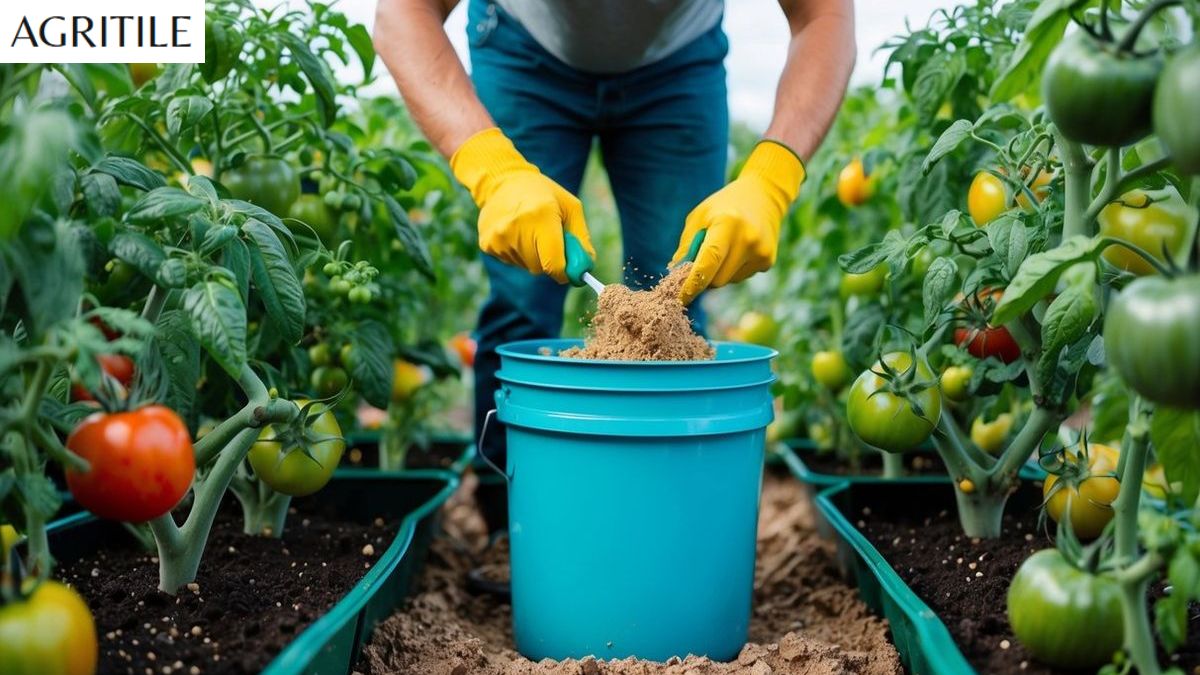
You do not always need to spend money at the store. The best homemade liquid fertilizer for tomatoes can come from weeds in your own backyard. Nettle tea is a powerful nitrogen feed for young plants. Comfrey leaves are even better because they contain more potassium than animal manure.
- Dandelion Tea: Soak whole dandelions in water for 24 to 48 hours for a quick potassium boost.
- Nettle Tea: Ferment nettles in a bucket for three weeks to create a strong nitrogen feed.
- Seaweed Tea: Rinse beach-foraged seaweed and soak it in water for a few weeks to get trace minerals.
- Grass Clippings: Ferment fresh grass for two weeks for a fast nitrogen “energy bomb”.
Always dilute these “teas” with water before you use them. A 1:10 ratio is usually safe for watering the soil. Though they smell bad, your garden will love the natural boost.
Tips and Tricks to Avoid Nutrient Burn
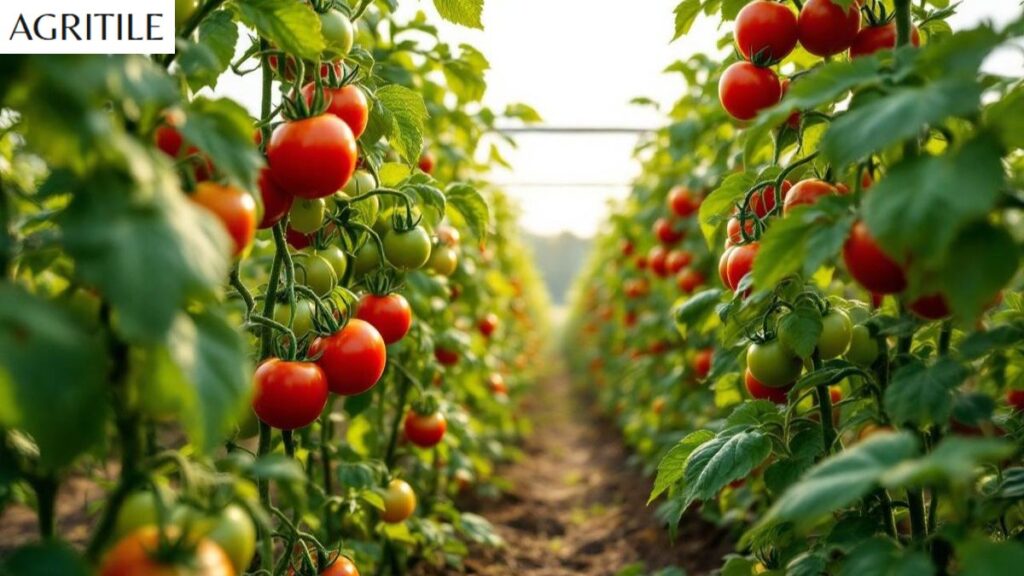
Too much of a good thing is bad. Over-fertilizing can kill your plants faster than pests. When you add too much salt, the plant cannot drink water correctly. The water actually flows out of the roots and back into the soil. This causes the leaves to “burn” and turn brown at the tips.
- Watch for yellowing on the lower leaves.
- Look for browning on the margins and tips of the leaves.
- Check the roots for any black or rotting parts.
- Remove any crust of fertilizer from the soil surface immediately.
If you make a mistake, do not panic. You can save the plant by leaching the soil with lots of plain water. This washes the extra fertilizer away from the roots. Later, rethink the amount you are using and follow the label more closely.
FAQ’s
What is the best NPK ratio for tomatoes?
The best ratio changes as the plant grows. For babies, a balanced 5-5-5 or 7-3-6 works well. During flowering and fruiting, you want a higher potassium ratio like 5-10-15 or 4-6-10. Potassium is what makes the fruit sweet and large.
How often should I use liquid fertilizer?
You should usually feed your tomatoes every seven to fourteen days. If you are growing in pots, you might need to feed them more often because the soil is limited. Always follow the bottle directions to avoid burning the roots.
Can I use the same fertilizer for peppers and cucumbers?
Yes, you can use the best liquid fertilizer for tomatoes and peppers on most fruiting vegetables. Peppers and cucumbers also need high potassium for their fruit. However, be careful with nitrogen because too much will give you lots of leaves but no actual vegetables.
Why are my tomato leaves turning yellow?
Yellow leaves often mean your plant is hungry for nitrogen. If the yellowing is between the veins on old leaves, it might be a magnesium deficiency. Always check the pH of your soil first, because a bad pH can block the plant from taking up food.
What is blossom-end rot and how do I fix it?
This is a dark, sunken spot on the bottom of the tomato caused by a lack of calcium. It often happens because of irregular watering, which stops calcium from moving through the plant. Use a best liquid fertilizer for tomato plants that includes calcium or add a Cal-Mag supplement.
Is organic fertilizer better than synthetic?
Organic fertilizer is better for flavor and soil health. Synthetic or chemical fertilizer is better for speed and getting the highest possible yield. Most home gardeners prefer organic because the fruit tastes much better on the plate.
How do I make liquid seaweed fertilizer?
You can gather fresh seaweed from a beach, rinse it, and soak it in a bucket of water. Stir it every few days for two to three weeks. This “tea” is full of amino acids and minerals that help plants handle heat and stress.
Can I over-fertilize my tomatoes?
Yes, and it is a common mistake for new gardeners. Signs include brown leaf tips, wilting, and a white crust on the soil. If this happens, stop feeding and wash the soil with plenty of plain water to remove the extra salts.
Should I feed my tomatoes when it is very hot?
You should be careful during extreme heat. Seaweed extracts can help the fruit set when it is hot, but heavy nitrogen can stress the plant. It is best to apply liquid fertilizer in the early morning or late afternoon to avoid evaporation.
Does Epsom salt help tomatoes?
Epsom salt provides magnesium and sulfur, which can help with green leaves and nutrient uptake. Some gardeners swear by it, but you should only use it if your soil is actually low in magnesium. Too much can sometimes interfere with how the plant takes up calcium.
Concluding Words
Achieving a massive harvest requires the Best Liquid Fertilizer for Tomatoes to Boost Healthy Growth and a little bit of patience. You should match your feeding to the stage of the plant. Use high phosphorus for roots, high nitrogen for leaves, and high potassium for fruit. Remember that the best liquid fertilizer for tomatoes australia or anywhere else involves keeping the pH balanced.
Whether you choose a bottle of Neptune’s Harvest or make your own comfrey tea, consistency is the most important part. Do not shock your plants with huge doses once a month. Instead, give them a little bit of food every time you water. This “fertigation” method keeps the nutrient levels steady so the plants can grow without stress. Finally, enjoy the process and watch your garden thrive with the Best Liquid Fertilizer for Tomatoes to Boost Healthy Growth.