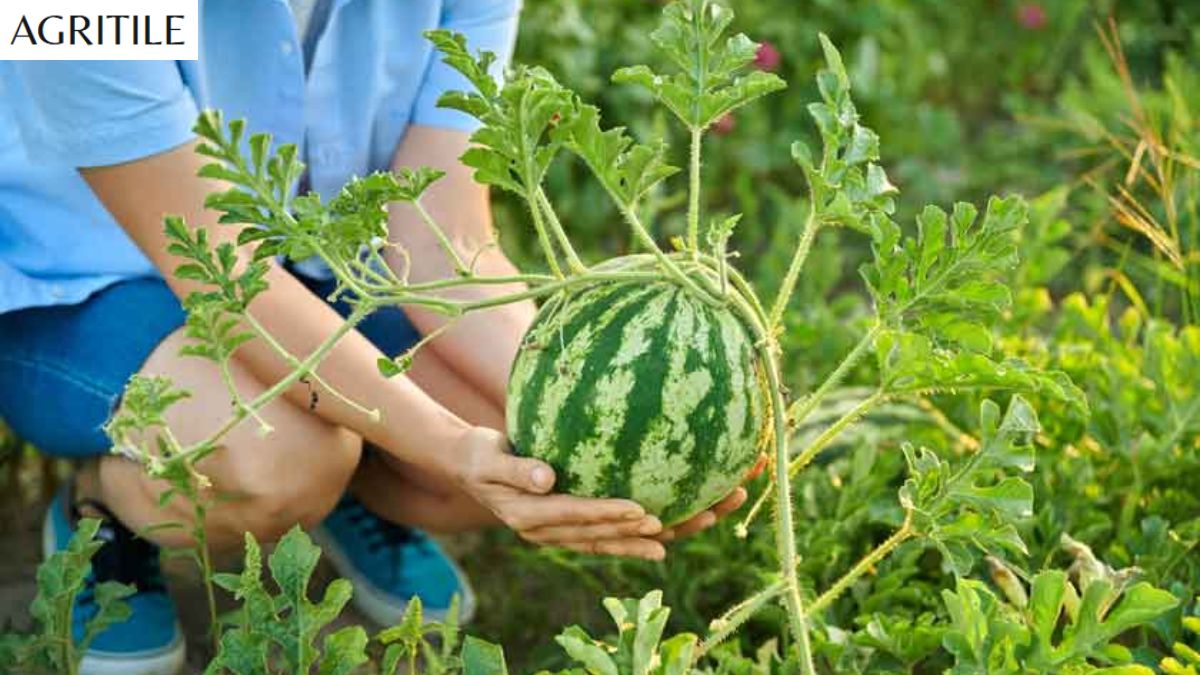
Watermelons are very hungry plants that need a lot of food to grow big and sweet. You must give them the right nutrients at the right time to get the best results. Many farmers now use liquid options because plants take them in very fast. This helps the vines stay strong and healthy throughout the summer. On top of that, liquid feeding allows you to change the diet of the plant as it grows from a small seedling into a heavy fruit.
Recent studies show that using water-soluble NPK can increase fruit weight by more than 16 percent. You should focus on nitrogen early on for green leaves. Later, you must switch to potassium for better fruit quality. This guide explains the Best Liquid Fertilizer for Watermelon for Bigger Harvests so you can succeed in your garden. Consistent feeding and proper care lead to a massive harvest. Let us look at the best ways to feed your melons.
- Fast nutrient delivery for hungry vines.
- Tailored NPK ratios for every growth stage.
- Higher yield percentages with water-soluble options.
What is the Best Liquid Fertilizer for Watermelon for Bigger Harvests?
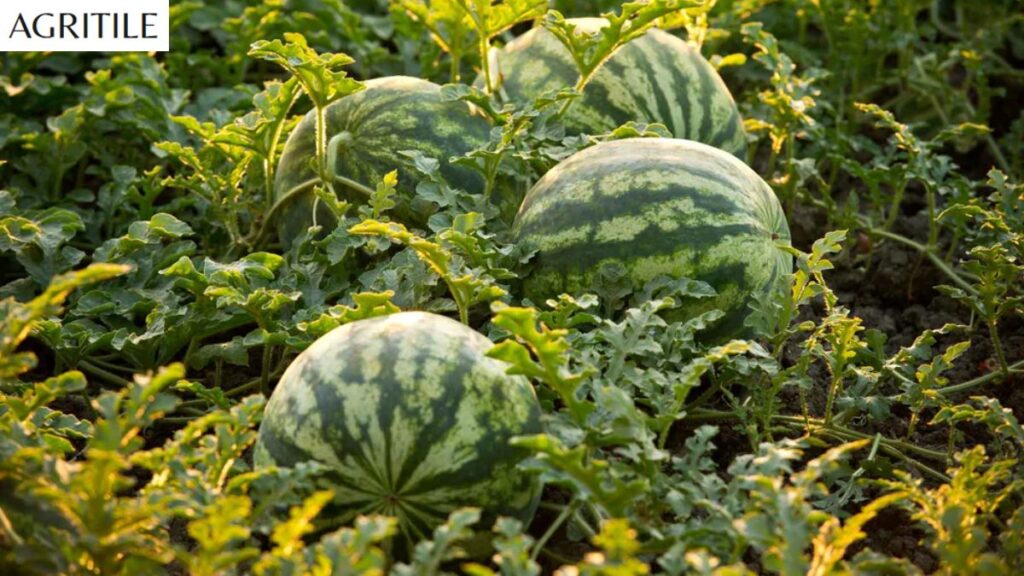
First of all, you must understand that watermelons have different needs at different times. At the start, the plant needs a lot of nitrogen to build long vines and big leaves. This is why many experts suggest a balanced mix like a 10-10-10 liquid fertilizer for young plants. However, the Best Liquid Fertilizer for Watermelon for Bigger Harvests changes once you see flowers. At that time, you should switch to a mix with more phosphorus and potassium.
A ratio like 5-10-10 or even 10-20-30 works best for the fruiting stage. Phosphorus helps the roots grow deep and strong. Potassium is the secret to getting sweet and heavy melons. Therefore, the best liquid fertilizer for melons is one that offers a high potassium count during the final weeks. Additionally, organic options like fish emulsion and seaweed extract provide a natural boost.
Table 1: Growth Stages and Recommended NPK Ratios
| Growth Stage | Recommended NPK Ratio | Primary Goal |
| Early Seedling | 10-10-10 or 20-10-20 | Leaf and vine growth |
| Vining / Flowering | 5-10-10 | Flower set and root health |
| Fruit Development | 10-20-30 or 5-10-15 | Size and sweetness |
The table above shows how your feeding plan should evolve. You do not want too much nitrogen late in the season. Plus, excess nitrogen can cause the plant to grow only leaves and no fruit.
The Importance of Nitrogen for Early Vine Growth
Nitrogen is the fuel for your watermelon vines. It helps the plant create chlorophyll so it can make its own food through the sun. Without enough nitrogen, your plants will look yellow and stay small. Best Liquid Fertilizer for Watermelon choices often include ammonium nitrate or urea for this stage. Though, you must be careful not to use too much.
Excess nitrogen can lead to a few problems. First, it might burn the tender roots of young plants. Second, it can attract more pests and diseases to the lush green leaves. Similarly, if you keep the nitrogen high while the plant tries to flower, you might lose your fruit. Up to one third of female flowers can drop if there is too much nitrogen.
To get the most out of your liquid watermelon fertilizer, apply it weekly as a soil drench. This ensures the nitrogen is ready for the plant to use right away. Later, you will find that a strong start leads to a much bigger harvest.
How Phosphorus and Potassium Boost Fruit Sweetness
When you ask what fertilizer for watermelon is best for flavor, the answer is always potassium. Potassium moves sugars into the fruit. This makes the melon taste better and feel firmer. On the contrary, phosphorus is more about the internal structure and the seeds. It helps the plant manage energy transformations.
Research shows that potassium is a foundation nutrient for high-quality melons. It even helps the plant fight off diseases and stay strong during dry weather. additionally, a high-potassium diet helps the fruit reach its full size. Many farmers use a 10-20-30 water-soluble mix for this exact reason.
Finally, you should check your soil levels for these nutrients. If the soil is low in potassium, your melons will not be as sweet as they could be. The Best Liquid Fertilizer for Watermelon for Bigger Harvests always prioritizes these two elements once the fruit starts to grow.
Why You Must Mix Fish Emulsion and Seaweed Extract
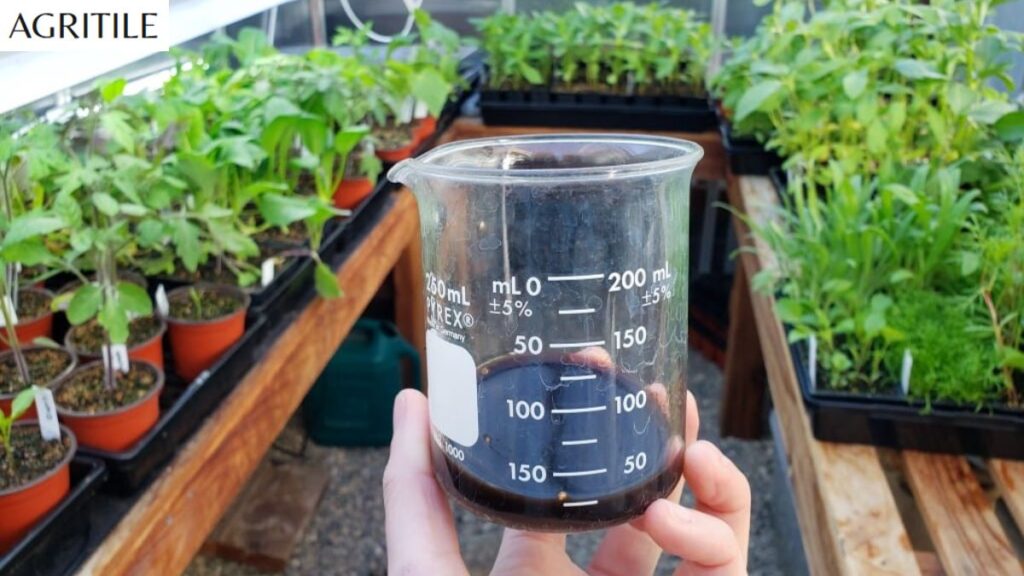
If you prefer a natural way, you should look at the duo of fish and seaweed. What kind of fertilizer do you use for watermelon to keep it organic? Fish emulsion is a great source of nitrogen for leafy growth. However, seaweed extract is different because it contains plant hormones like auxins and cytokinins. These hormones help the plant handle stress and grow better roots.
These two work best when you use them together.
- Fish emulsion provides the raw food for growth.
- Seaweed extract strengthens cell walls.
- The mix helps prevent transplant shock.
You should dilute these liquids with water before you apply them. A ratio of 1 tablespoon per gallon of water is a common rule for fish emulsion. Gradually, you will see your plants become more resistant to cold weather and pests. Plus, the soil microbes will love the complex carbs in the seaweed.
Step-by-Step Instructions to Feed Your Plants
You might wonder how to fertilize watermelon plants effectively. The process is simple if you follow a schedule. First of all, prepare your soil with compost before you even plant a seed. This gives the seedlings a soft place to start.
- Seedling Stage: Apply a diluted fish emulsion or a 10-10-10 liquid mix once a week.
- Vining Stage: When the vines begin to run, keep the nitrogen high to support the reach.
- Flowering Stage: Switch to a 5-10-10 or 10-20-30 ratio to support the new blooms.
- Fruiting Stage: Continue with high potassium and add some calcium to help the rinds.
- Ripening Stage: Reduce or stop feeding in the final two weeks to let the sugars concentrate.
Later, you must make sure to water deeply after each feeding. This helps the liquid reach the root zone where it is needed most. On top of that, avoid getting the fertilizer on the leaves during the hot sun to prevent burns.
The Role of Calcium in Preventing Blossom End Rot
Many gardeners forget about calcium until it is too late. Blossom End Rot (BER) is a common problem where the bottom of the melon turns black and rots. This happens when there is not enough calcium in the fruit. You might ask what kind of fertilizer is best for watermelon to stop this? Calcium nitrate is a top choice.
Calcium moves with water through the plant. If the weather is too hot or too dry, the plant might stop taking in enough calcium. Nitrate nitrogen actually helps the plant take in calcium more easily. On the contrary, fertilizers with too much ammonium can block calcium.
Table 2: Secondary Nutrients and Their Importance
| Nutrient | Role in Watermelon | Sign of Deficiency |
| Calcium | Cell wall strength and rind quality | Blossom End Rot |
| Magnesium | Chlorophyll production | Yellowing between leaf veins |
| Sulfur | Protein and enzyme health | Stunted growth and light green leaves |
Therefore, integrating a water-soluble calcium source is a key part of the Best Liquid Fertilizer for Watermelon for Bigger Harvests. This ensures your fruit stays healthy and firm until harvest day.
How to Use Smart Fertigation for Best Results
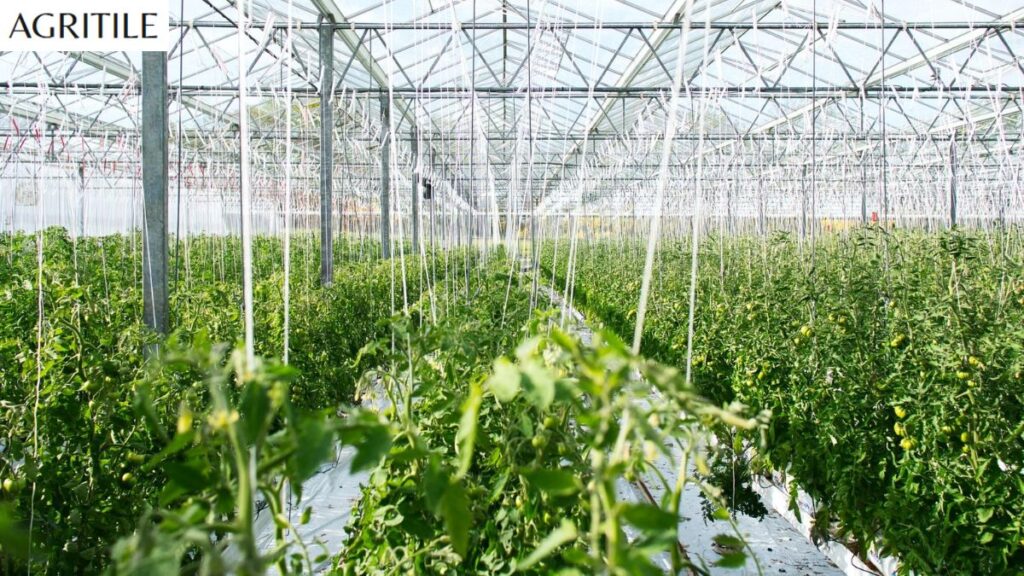
Modern farming often uses a system called fertigation. This is just a fancy way of saying you put your fertilizer into your irrigation water. This method is very efficient because it sends food directly to the roots. Which fertilizer is good for watermelon in a system like this? You need a product that is 100% water-soluble so it does not clog your pipes.
Smart systems can even use the Internet of Things (IoT) to monitor the soil. This tells you exactly when the plants are thirsty or hungry. A study showed that increasing the water-soluble NPK rate to 125% of the standard amount can lead to the best growth. This extra boost helps the plant produce more leaves and heavier fruit.
Furthermore, fertigation saves you time and energy. You do not have to carry heavy bags of granular fertilizer across the field. Plus, it reduces waste because the nutrients go only where the roots are. This is a great way to maintain the Best Liquid Fertilizer for Watermelon for Bigger Harvests plan all season long.
Mistakes to Avoid When You Fertilize Melons
Even the best farmers can make a few slips. First, do not over-fertilize with nitrogen late in the season. This will give you huge vines but no melons. Second, do not ignore the pH of your soil. Watermelons like a slightly acidic soil between 6.0 and 6.8. If the pH is wrong, the plant cannot eat the food you give it.
Another common mistake is to skip soil testing. You must know what is already in your dirt before you add more. Similarly, do not apply fertilizer during the hottest part of the day. This can burn the leaves and stress the plant.
Finally, do not forget to water consistently. Nutrients need water to move from the soil into the plant roots. If the soil stays dry, your fertilizer will just sit there and do nothing. Stick to a plan and avoid these errors to see the Best Liquid Fertilizer for Watermelon for Bigger Harvests come to life.
FAQ’s
What is the best fertilizer for watermelon plants?
A balanced 10-10-10 liquid fertilizer is great for the start of the season. Later, you should switch to a high-potassium mix like 5-10-10 or 10-20-30 to make the fruit big and sweet. Organic options like fish emulsion also work very well.
When should I start fertilizing my watermelon plants?
You should start as soon as you plant your seeds or transplants. Give them a gentle dose of liquid food every week to help them grow strong vines. This early boost is essential for a large harvest.
How often should I fertilize watermelon plants?
Most experts suggest feeding your plants every 3 to 4 weeks during the summer. However, some liquid plans call for weekly doses at a lower strength. Always check the instructions on your specific product.
How do I apply liquid watermelon fertilizer?
You can use a watering can to drench the soil around the base of the plant. Another way is to use a foliar spray on the leaves for a quick boost. For large farms, a fertigation system through drip lines is the most efficient way.
Should I test my soil before I fertilize?
Yes, you should definitely test your soil. This tells you exactly which nutrients are missing so you do not waste money on things you do not need. It also tells you if your pH level is right for melons.
Can I over-fertilize my watermelons?
You can certainly over-fertilize them. Too much nitrogen will cause the plant to grow only leaves and may drop its flowers. It can also burn the roots or cause the leaves to turn brown at the edges.
What nutrients are most important for watermelons?
Nitrogen, phosphorus, and potassium are the big three. Nitrogen builds the vines, phosphorus helps the roots and flowers, and potassium makes the fruit sweet. Calcium and magnesium are also very important to prevent rot and keep leaves green.
Does liquid fertilizer work better than granular?
Liquid options are often better because they are fast-acting and easy for the plant to absorb. Granular types take longer to break down and can be less efficient. Plus, liquid food is easier to use in modern irrigation systems.
How do I stop Blossom End Rot in watermelons?
You must ensure the plant has enough calcium during the fruiting stage. Using a liquid calcium nitrate fertilizer can help fix this problem fast. Consistent watering is also key because calcium needs water to move into the fruit.
Concluding Words
In summary, choosing the Best Liquid Fertilizer for Watermelon for Bigger Harvests is the key to a successful garden. You should start with a nitrogen-rich mix for strong vines and then switch to a high-potassium diet for sweet fruit. Integrating organic options like fish emulsion and seaweed extract will keep your soil and plants healthy. Plus, remember to add calcium to prevent rot and keep your rinds firm.
If you use a smart fertigation system, you can save time and get even better results. Always test your soil and follow a steady schedule for the best outcome. With these tips, you will be enjoying juicy, delicious watermelons all summer long. Get your liquid fertilizer ready and start feeding your plants today. You will see a massive difference come harvest time. Happy gardening!