Everyone wants a garden that looks like a dream. You probably wish for those massive, bright petals that make the neighbors stop and stare. The secret to this success often lies in using Liquid Fertilizer for Flowering Plants for Bigger Blooms. These fast-acting solutions provide the right nutrients exactly when the plant needs them most.
Plants are like us. They need a balanced diet to stay strong and healthy. Most garden soil loses its nutrients over time as plants grow and soak up all the good stuff. You must replenish these minerals to keep the show going. This guide will show you how to use Liquid Fertilizer for Flowering Plants for Bigger Blooms to transform your green space into a floral paradise.
- Phosphorus is the key nutrient for bud formation and vibrant petal colors.
- Liquid formulas reach the roots in hours rather than days for quick results.
- Precision timing during the morning hours maximizes nutrient absorption.
What is the magic of Liquid Fertilizer for Flowering Plants for Bigger Blooms?
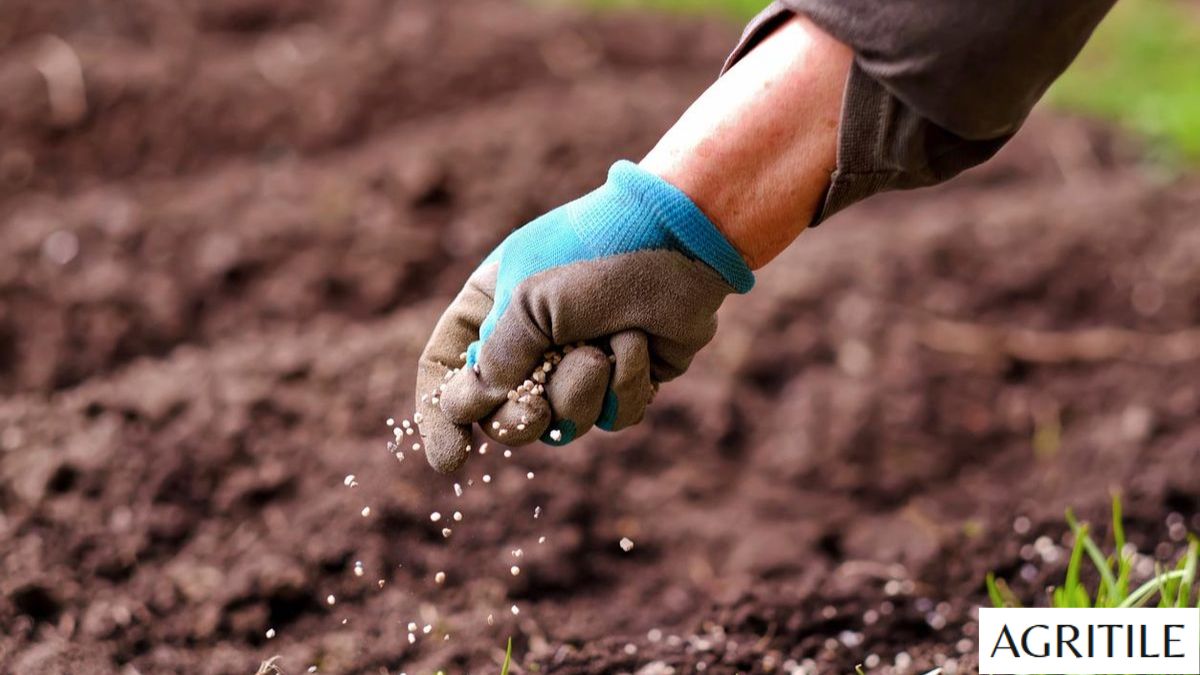
You might wonder why liquid is better than the old-fashioned blue granules. Liquid fertilizers are water-soluble foods that provide a super-fast jolt of nutrients to your greenery. Because they are already dissolved, the plant does not have to wait for rain to break down a hard pellet. The roots soak up the liquid almost immediately.
This speed is a total game-changer for liquid fertilizer for blooming plants. When you see a plant struggling or looking dull, a quick dose can fix the deficiency in just a few days. It is the perfect choice for pots and hanging baskets where nutrients leach out fast due to frequent watering. You get total control over the dose, which is great for delicate species.
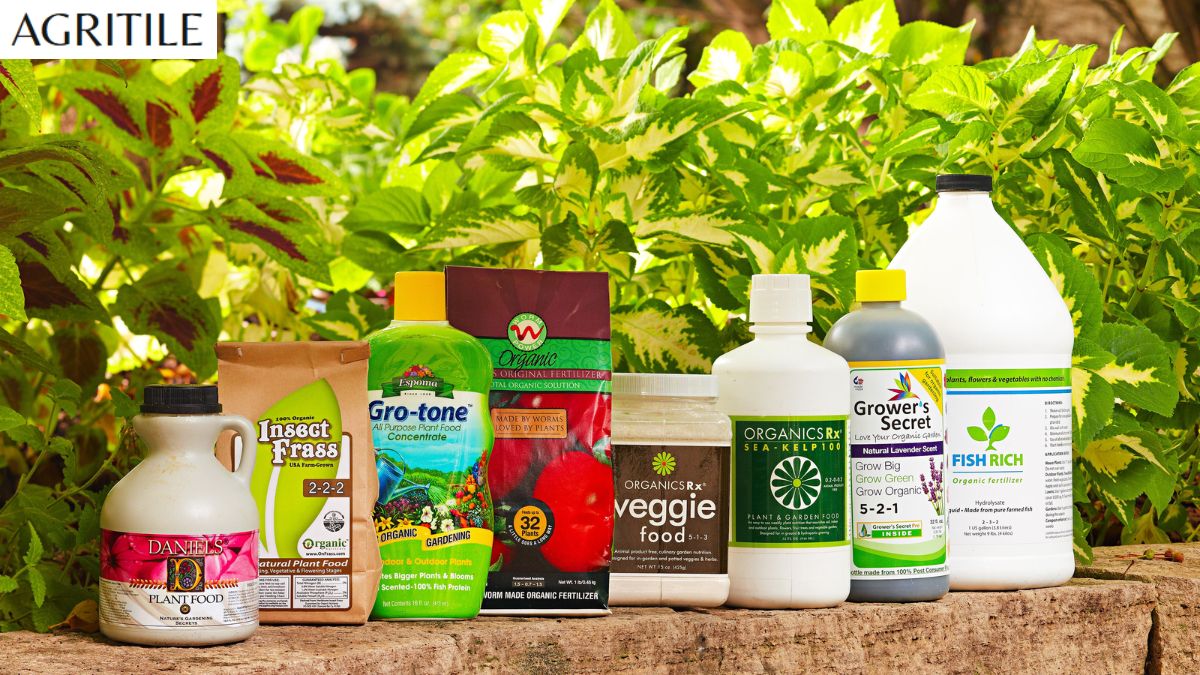
The best organic liquid fertilizer for flowering plants often includes ingredients like seaweed or fish emulsion. These natural options do more than just feed the plant. They also improve the health of the soil and help tiny microbes thrive. Happy soil leads to happy roots, and happy roots lead to those giant flowers you want.
Why Phosphorus is the main hero for petals
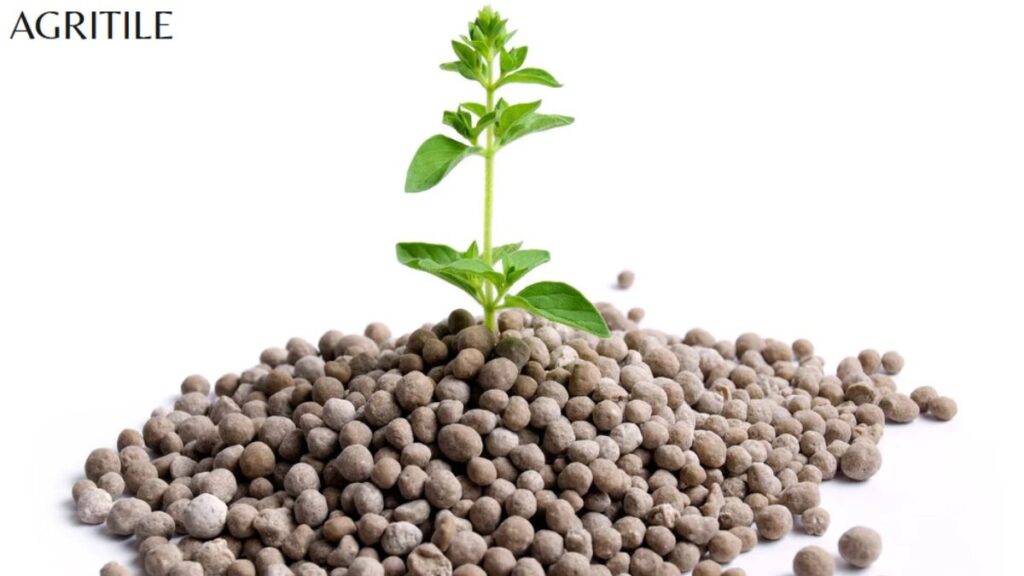
Every fertilizer bag has three numbers on the front, known as the NPK ratio. These stand for Nitrogen, Phosphorus, and Potassium. If you want Liquid Fertilizer for Flowering Plants for Bigger Blooms, you must look at that middle number. Phosphorus is the element that pushes a plant to stop making leaves and start making buds.
A high-nitrogen feed is great for a lawn, but it will give you a giant green bush with zero flowers. On the contrary, a phosphorus-rich “bloom booster” like a 10-30-20 or 5-15-10 formula tells the plant to put its energy into petals. This shift is essential for roses, geraniums, and petunias. Potassium, the third number, helps the flowers last longer and keeps the plant strong against diseases.
You should also look for micronutrients like boron and iron. These tiny additions make the colors of your blooms more intense. Some specialized products, like Ferber Painting, claim to prepare up to one thousand liters of solution from just five liters of concentrate. That is a lot of flower power for your money!
How to use Liquid Fertilizer for Flowering Plants for Bigger Blooms in your garden
The process is simple, but you must follow the steps to avoid “burning” your green friends. First of all, you should always check the label for the dilution rate. These concentrates are very strong. You must mix them with water exactly as the instructions say. A dropper or a measuring spoon is your best friend here.
Step-by-Step Application
- Moisten the soil first with plain water. Never put fertilizer on bone-dry soil, as it can damage the roots.
- Mix your solution in a watering can or a gallon jug. Use rainwater if you can, as it is softer and lacks chlorine.
- Pour the mixture around the base of the plant so it hits the root zone.
- Try foliar feeding by spraying the leaves directly. This method allows the plant to absorb nutrients even faster through its foliage.
Many people find success with npk liquid fertilizer for flowering plants by using a 1:100 injector system. This device mixes the food into your hose water automatically. It is a massive time-saver for farmers and those with large landscapes. You just have to check the calibration every month to make sure the ratio is still right.
Making the best Liquid Fertilizer for Flowering Plants for Bigger Blooms at home
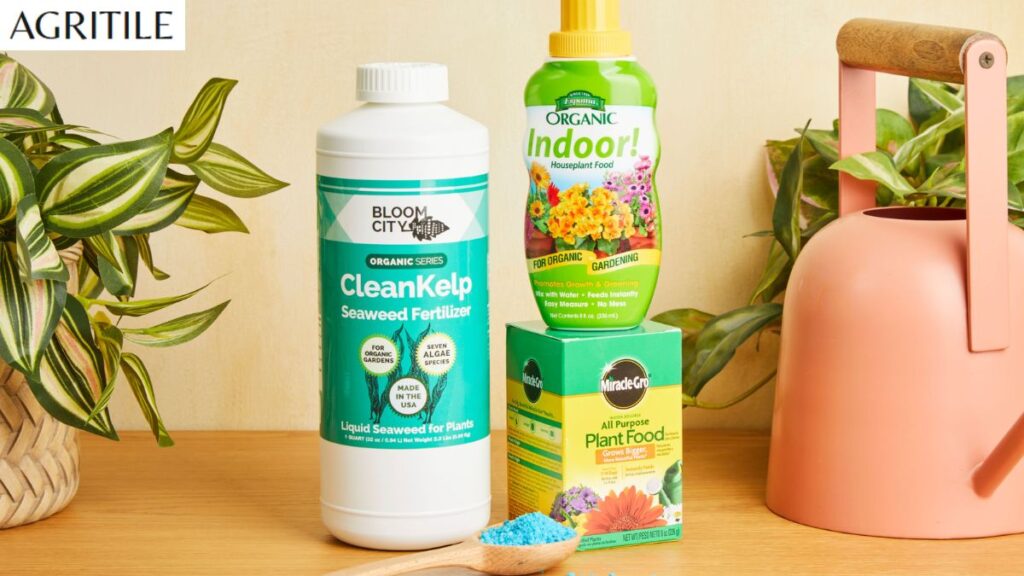
You do not always have to spend a fortune at the store. You can make a homemade liquid fertilizer for flowering plants using items from your kitchen. Banana peels are a famous source of potassium and magnesium. These minerals are vital for bud development and overall vigor.
To make this at home, chop up several banana peels and blend them with water into a smooth juice. You can also let the peels sit in a jar of water for two days to make a “banana tea“. On top of that, adding a spoonful of molasses provides sugars that feed the good microbes in the soil. This natural approach is very popular in 2026 as people move toward sustainable practices.
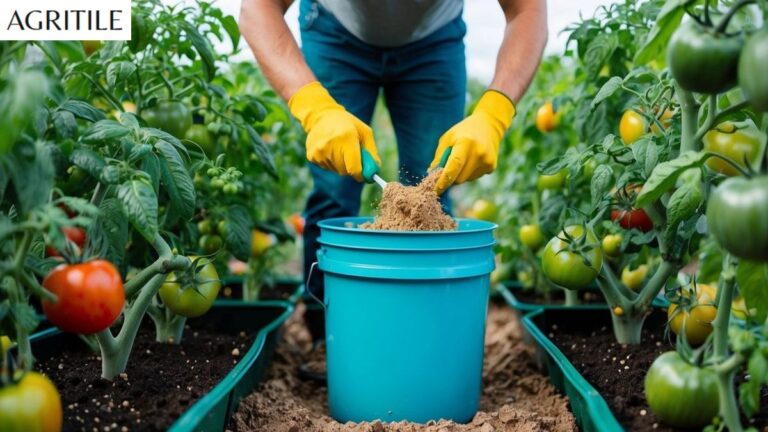
Another option is to use fully decomposed manure. Mix a handful into a bucket of water and let it sit for a week. This “compost tea” is rich in nitrogen and organic matter. It provides a balanced diet that supports both green growth and healthy blooms. Just remember to dilute it until it looks like weak tea before you use it.
| Fertilizer Type | Speed of Action | Duration | Best For |
| Liquid Concentrate | 1-3 days | 2-3 weeks | Pots, quick fixes, and intense blooming |
| Granular Pellets | 3-7 days | 3-4 weeks | Garden beds and seasonal feeding |
| Slow-Release (Coated) | 10-14 days | 3-6 months | Hard-to-reach plants and busy gardeners |
Liquid fertilizers require more frequent work. However, the results are much more visible in a short time. You can see a change in color or growth in as little as five days.
Comparison of Liquid and Granular Options
| Feature | Granular Fertilizer | Liquid Fertilizer |
| Application | Broadcast by hand or spreader | Sprayer or watering can |
| Nutrient Release | Slow release, lasts longer | Quick release, acts fast |
| Cost | Usually cheaper in bulk | Can be more expensive per dose |
| Distribution | Can be uneven if not careful | Very uniform and consistent |
Granular fertilizers are great for the start of the season. They sit in the soil and feed the plants slowly over months. On the contrary, liquid fertilizer for growing plants in water or pots is essential because granular pellets often do not dissolve well in confined spaces.
Top tips and tricks for maximum flower health
Timing is everything when you want a show-stopping garden. The best time for Liquid Fertilizer for Flowering Plants for Bigger Blooms is early in the morning between 6 AM and 9 AM. At that time, the temperature is cool and the plant’s pores are open. This allows for maximum absorption and reduces the risk of the sun burning the leaves.
Additionally, you should avoid fertilizing during extreme heat or drought. If the plant is thirsty and stressed, the fertilizer salts can actually pull water out of the roots. This process is called “burning”. You should always give your plants a light drink of plain water first to hydrate them. Later, you can apply your nutrient solution safely.
Another trick is to adjust your feed based on the plant’s life stage. For seedlings, use a very weak, diluted solution once a week to help them get started. When you see the first tiny flower buds, switch to a high-phosphorus “bloom booster”. Gradually increase the frequency to every 10 to 14 days during the peak of the flowering season.
- Petunias and Geraniums are heavy feeders and love a stronger dose of food.
- Orchids are very sensitive and need a special, mild formula without too many salts.
- Stop fertilizing in winter when plants go dormant, or the salts will just build up and cause harm.
Using organic liquid fertilizer for flowering plants correctly
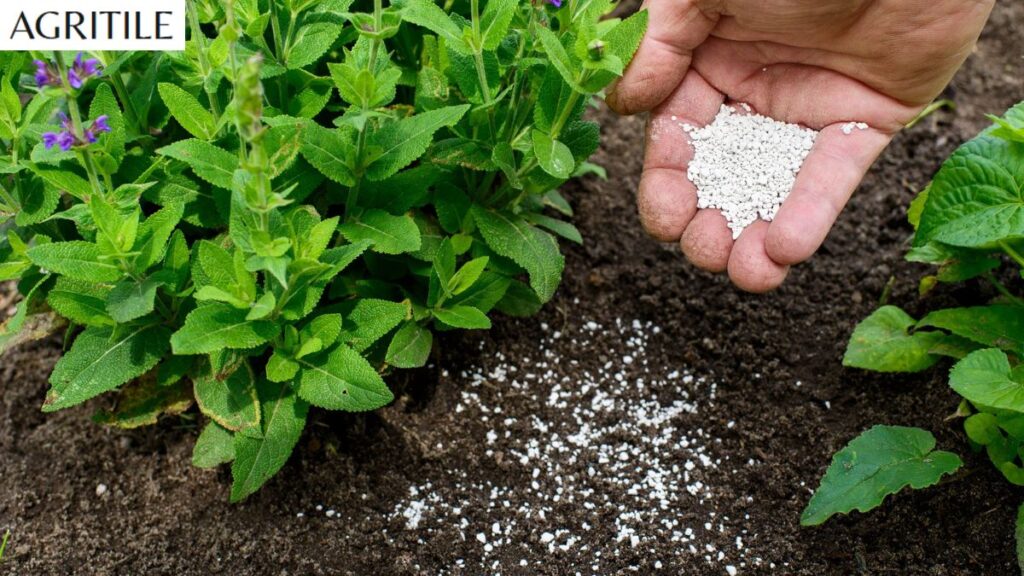
Organic options like seaweed extract are becoming the top choice for many in 2026. Studies show that seaweed acts as a “biostimulant”. It contains natural hormones that tell the plant to grow stronger roots and more branches. In one experiment with brinjal plants, using a liquid seaweed extract increased the fruit yield by 51% compared to standard fertilizer alone.
You can find products like Stimplex or Leaflux that are easy to use at home. These often contain humic and fulvic acids. These ingredients help the plant take up nutrients more efficiently from the soil. Plus, they are safe for pets and the environment, which is a huge bonus.
If you are looking for the best liquid fertilizer for flowering plants at a local shop like liquid fertilizer for flowering plants bunnings, check the labels for the OMRI seal. This seal means the product is certified organic and follows strict standards. Neptune’s Harvest is a well-known brand that uses fish and seaweed to give plants a gentle boost. It might smell like a dock for a day, but the plants absolutely love it.
Signs of trouble: When you give too much
It is tempting to think that more fertilizer means more flowers. However, this is a dangerous mistake. Over-fertilizing can kill a plant faster than under-fertilizing. You will notice signs of trouble very quickly after a dose that was too strong.
Signs of Over-Fertilization
- Yellowing or wilting of the lower leaves.
- Brown, crunchy edges on the tips of the leaves.
- A white crust on the surface of the soil.
- Sudden leaf drop or no new growth at all.
If you realize you have made a mistake, do not panic. You can often save the plant by “flushing” the soil. Take the pot to the sink and water it heavily four or five times in a row. Let the water drain out of the bottom each time. This process washes away the excess salts and gives the roots a chance to breathe again.
The future of floriculture with nanotechnology
The way we feed our plants is changing. In 2026, researchers are looking at nanotechnology to make fertilizers even better. These “nano-fertilizers” use tiny particles to deliver nutrients exactly where they are needed. This means less waste and less pollution for our rivers and oceans.
These smart systems can even sense when a plant is under stress from pests or drought. They then release the nutrients to help the plant fight back. While this technology is mostly used by large commercial growers right now, it will eventually make its way to our home gardens. It is an exciting time for anyone who loves growing beautiful things!
FAQ’s
Can I use liquid fertilizer for flowering plants at home on my indoor plants?
Yes, you certainly can! Liquid fertilizer for flowering plants at home is actually the best choice for indoor pots. Because indoor plants grow in a small amount of soil, they run out of food quickly. A gentle dose every two to four weeks during the spring and summer will keep them looking lush. Just be sure to use half the strength of the label for indoor greenery since they grow slower than outdoor ones.
What exactly is npk liquid fertilizer for flowering plants?
It is a concentrated food that contains Nitrogen (N), Phosphorus (P), and Potassium (K). These are the big three nutrients every plant needs. Nitrogen makes the leaves green, Phosphorus makes the flowers big, and Potassium makes the whole plant tough. For flowers, you want a formula where the middle number (P) is the highest.
Is it better to use liquid fertilizer for flowering plants bunnings or make it myself?
Both options work well, but it depends on your goals! Store-bought products from places like liquid fertilizer for flowering plants bunnings are very reliable and have a guaranteed nutrient count. Homemade versions are cheaper and great for the environment, but you never know exactly how much of each nutrient is in the mix. Many gardeners use a mix of both for the best results.
How often should I feed my roses for the biggest blooms?
Roses are very “hungry” and need a lot of energy to make those big, fragrant petals. You should apply a best organic liquid fertilizer for flowering plants every two weeks during their active blooming phase. Start in early spring as soon as you see new leaves and stop by mid-July so the plant can prepare for winter.
Can I use the same liquid fertilizer for growing plants in water?
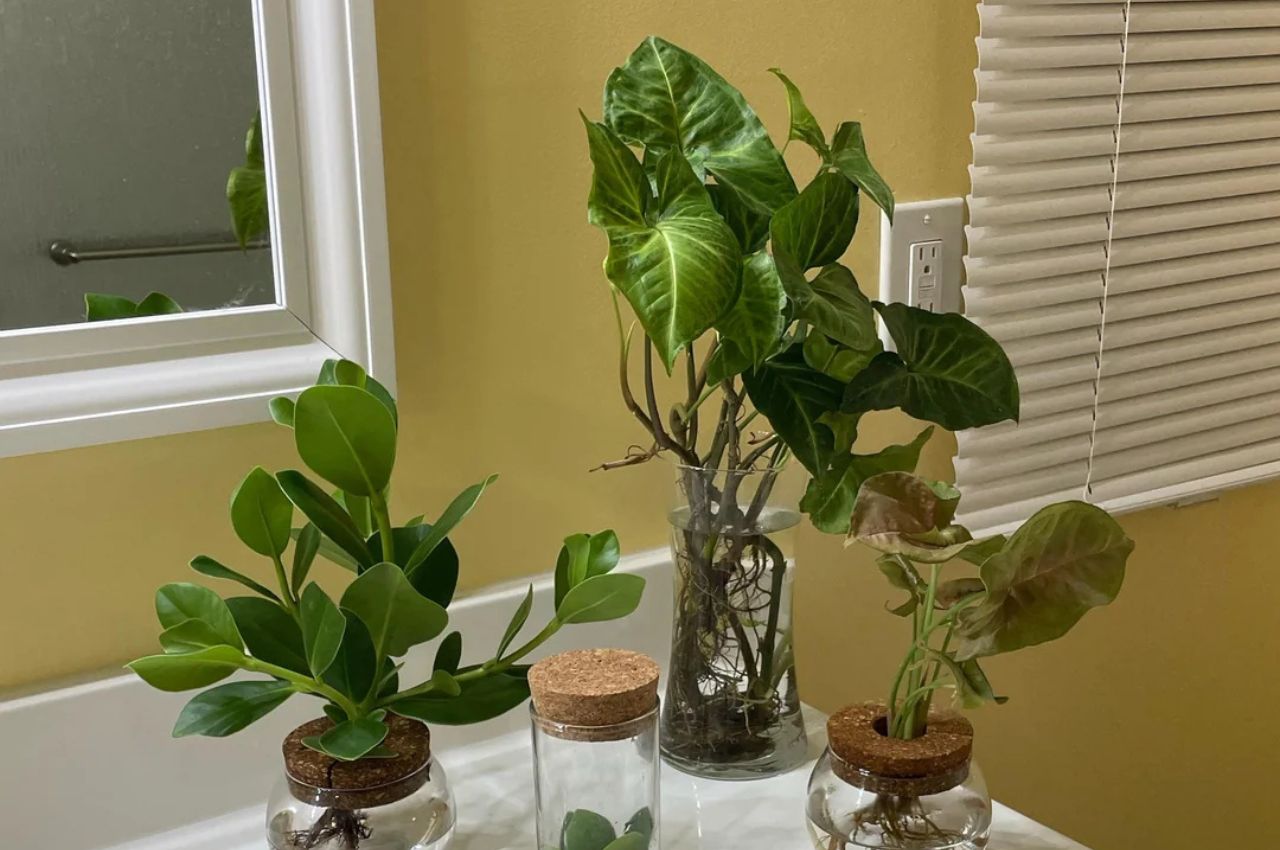
You can, but you must be very careful with the dose! Liquid fertilizer for growing plants in water (like in a hydroponic setup) needs to be perfectly balanced because there is no soil to act as a buffer. Use a specialized “two-part” nutrient set if you are serious about water growing. This ensures the plant gets all the micronutrients it needs without the water becoming toxic.
Why does my plant have yellow leaves after I fertilized it?
This is often a sign of “fertilizer burn” from using a dose that was too strong. It can also happen if the soil was too dry when you applied the food. If the yellowing is only between the veins of the leaves, it might be a micronutrient deficiency like iron instead. Check your NPK ratio and make sure you are not overdoing the Nitrogen.
Is seaweed extract really worth the extra money?
Absolutely! Seaweed is like a superfood for your garden. It provides natural growth hormones that standard chemical fertilizers do not have. It helps plants survive heat waves and dry spells much better. Plus, it is completely natural and safe for your family and pets.
Should I spray the leaves or just the soil?
Both methods are good! Foliar feeding (spraying the leaves) gives a very fast boost because the plant soaks up nutrients through its pores. Soil drenching (pouring on the ground) lasts a bit longer because the roots can take their time. For the biggest flowers, many experts suggest doing both: a soil drench every two weeks and a light foliar spray in between.
Concluding Words
The journey to a vibrant garden is all about balance. Using Liquid Fertilizer for Flowering Plants for Bigger Blooms gives you the power to provide exactly what your petals need at the perfect moment. Whether you choose a professional brand like Miracle-Gro or a natural seaweed extract, the key is consistency and care. You must always remember to dilute properly and watch your plants for any signs of stress.
In the end, those massive, colorful blooms are the reward for your hard work. By following these steps and using Liquid Fertilizer for Flowering Plants for Bigger Blooms correctly, you can achieve professional results in your own backyard. Gardening is a learning process, so do not be afraid to experiment with different formulas to find what your flowers love most. Happy planting!