Plants need food to grow well and stay strong just like people do. You can give them nutrients through the soil or their leaves to help them flourish. This Liquid Fertilizer for Fast Plant Growth Benefits and Uses Guide shows how to get quick results for your garden or farm. Many people want their crops to look green and lush in a very short time.
You can achieve this goal by choosing the right liquid mix for your specific needs. Liquid feeds work much faster than solid pellets because the roots or leaves soak them up right away. This speed is great for farmers and home gardeners who need to fix a nutrient problem fast.
- Liquid feeds offer immediate nutrient uptake for visible results in about 48 hours.
- Foliar feeding can be ten times more effective than soil application for some nutrients.
- Proper NPK ratios like 3-1-2 are ideal for almost all indoor plants during active growth.
What is the Liquid Fertilizer for Fast Plant Growth Benefits and Uses Guide?
A liquid feed is a concentrated mix of nutrients that you dissolve in water. It provides a way to feed your crops with precision and speed. This Liquid Fertilizer for Fast Plant Growth Benefits and Uses Guide explains the science behind these powerful tools. It covers everything from big farms to small pots in your house. Most liquid options contain mineral salts that plants use to build cells.
These salts are ready for the plant to take in without waiting for soil bugs to break them down. You get a direct path to the vascular system of the plant. Efficiency is the main goal here. The best part? You see results in days, not weeks.
The Importance of Fast Results in Agriculture

Time is money for farmers and professional growers. You do not want to wait for weeks to see if your fertilizer works. Fast-acting products like Biofast or SULPHOMIN help plants jump-start their growth. These formulas are made to be easy for the plant to absorb. You can use them to push your vegetables to reach their full potential.
Quick growth is vital for crops that have a short season. You can use these tools to help your leafy greens or herbs grow big and fast. High solubility is a key trait of these products. They dissolve completely so the plant can drink them up at once. This makes them very effective for professional use.
Differences Between Soil Drench and Foliar Spraying
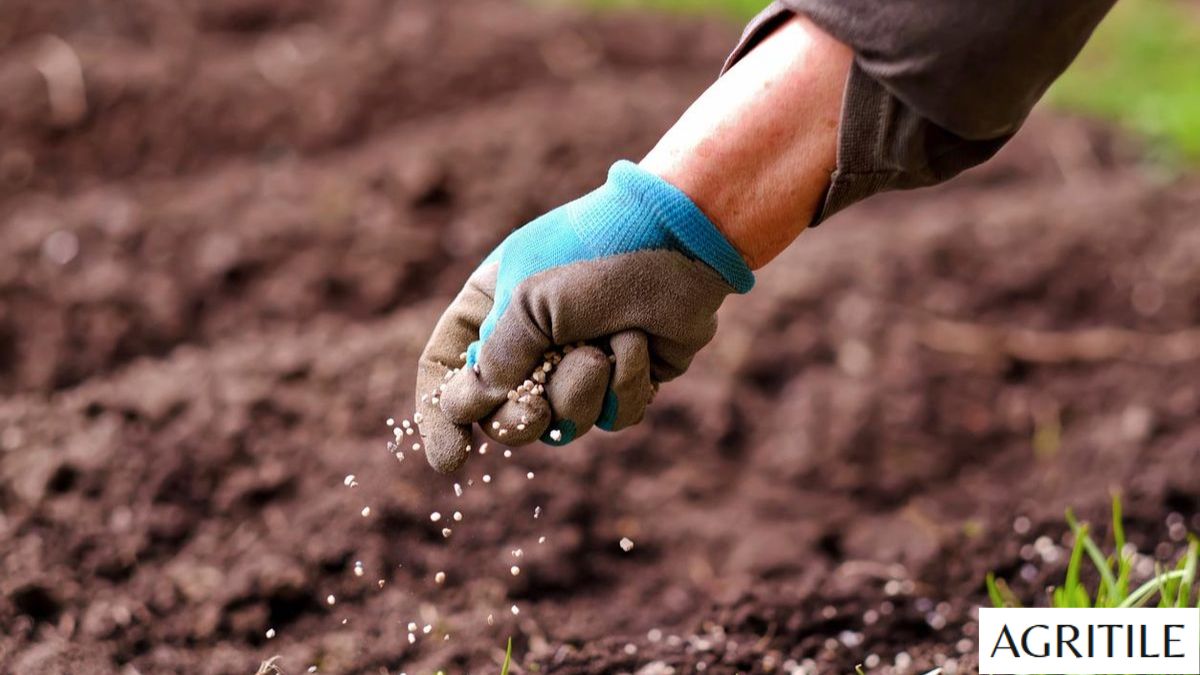
There are two main ways to feed your plants with liquids. You can pour the mix on the soil or spray it on the leaves. This Liquid Fertilizer for Fast Plant Growth Benefits and Uses Guide looks at both. Soil drenching is good for building strong roots and stems. It helps the plant get more nitrogen, phosphorus, and calcium.
Foliar spraying is when you mist the leaves with a thin layer of food. This method is the best fertilizer for plants growing in water systems or when you need to fix a deficiency fast. It is great for giving plants iron and magnesium. These nutrients are hard for roots to pick up in some types of soil.
Nutrient Uptake Comparison
| Nutrient Type | Soil Drench Result | Foliar Spray Result |
| Nitrogen (N) | Higher uptake for growth | Fast fix for yellow leaves |
| Phosphorus (P) | Better for deep roots | Good for bloom boost |
| Iron (Fe) | Often gets stuck in soil | Efficient direct absorption |
Scientists used special cameras to see how these methods work. They found that soil drenching makes the plant reflect more light in a certain range called near-infrared. This means the plant is thicker and has stronger cell walls. Foliar spray makes the leaves green but they might stay thinner. You should use a mix of both for the best results.
How to Make Liquid Fertilizer for Plants Homemade
You do not always have to buy expensive bottles at the store. It is possible to make your own liquid fertilizer for plants homemade using things from nature. Seaweed is a popular choice for this. You can gather it at the beach if you live near the ocean. Just make sure you follow the local rules for taking it.
First, you must rinse the seaweed to get the salt off. Then, put it in a big bucket and cover it with water. You need to stir the mix every few days to help it break down. In the summer, it will be ready in about two to three weeks. This “tea” is full of amino acids and minerals. It acts as a great liquid fertilizer for water plants too.
Guide for Liquid Fertilizer for Indoor Plants
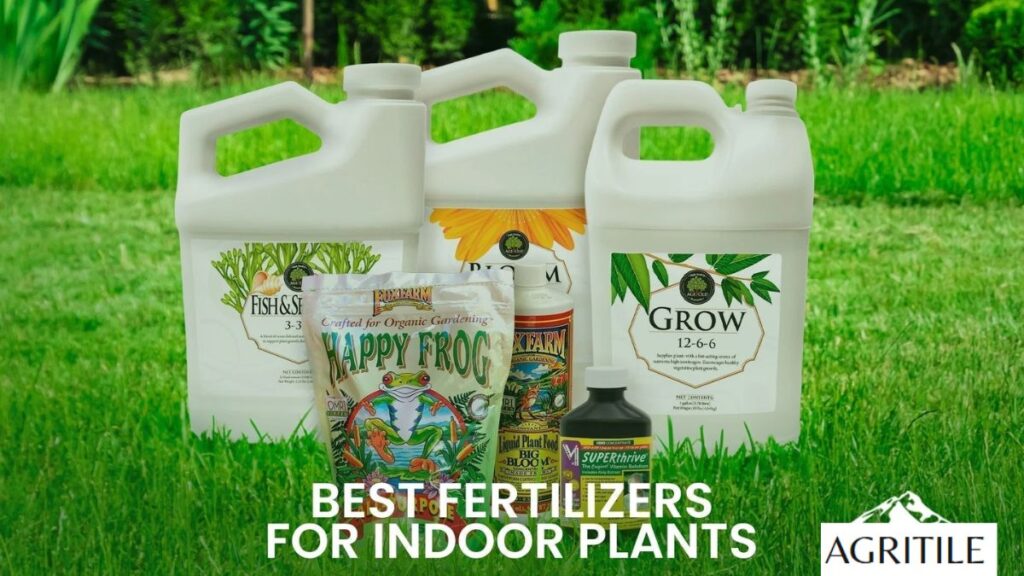
Indoor plants live in a different world than outdoor ones. They have less light and their roots are in a small pot. You must be gentle when you feed them. A balanced npk fertilizer with a 3-1-2 ratio is a safe bet for almost all of them. This means three parts nitrogen, one part phosphorus, and two parts potassium.
Think of it this way: “up, down, and all-around”. The first number helps the parts that are up, like stems and leaves. The second number helps the parts that are down, like roots. The third number helps the whole plant stay healthy all-around. You should only use a liquid fertilizer for indoor plants when they are actively growing.
Best Fertilizer for Plants Growing in Water
Hydroponics is a way to grow plants without any soil at all. You must use a special hydroponic fertilizer for this system. These mixes must be 100% water soluble so they do not clog your pumps. They contain all the elements a plant needs to live. Since there is no soil, you are the only source of food for your plants.
Managing the water is a big job. You have to check the pH levels and the nutrient strength often. The best pH for most water systems is between 5.8 and 6.5. If the water is too acidic or too basic, the plant cannot eat. It is a delicate balance. However, plants in water can grow much faster because the food is right there for them.
Step by Step Guide to Applying Liquid Nutrition
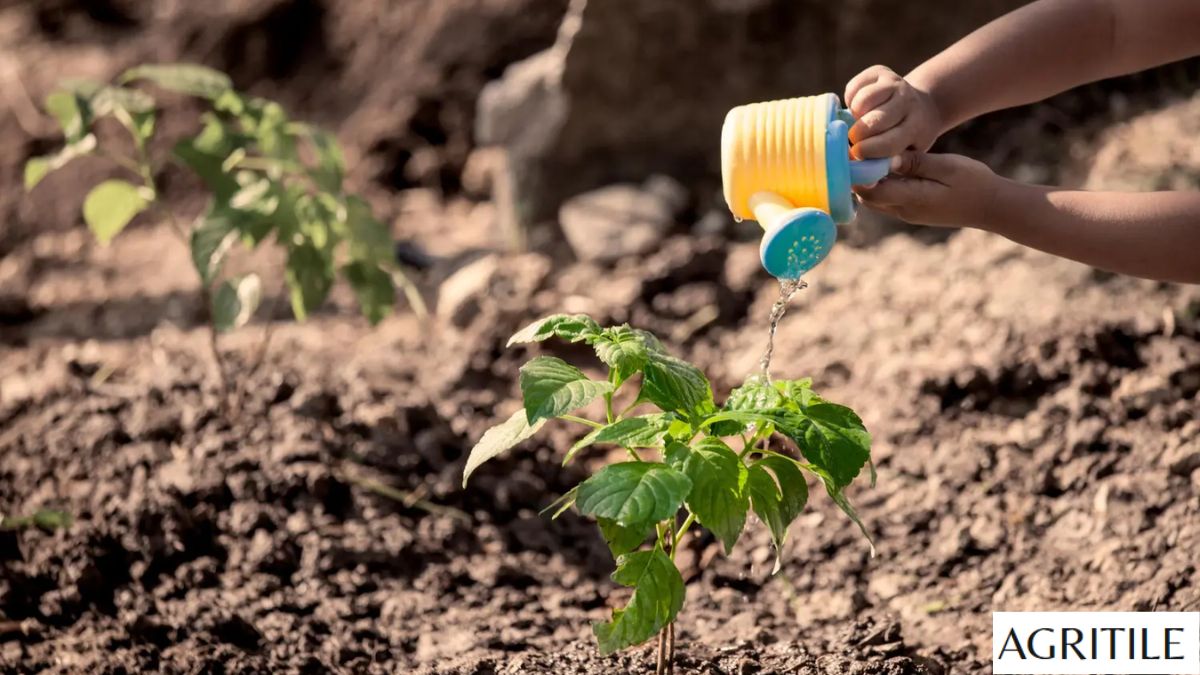
Follow these steps to feed your plants like a pro. First of all, read the label on your bottle. You must follow the mix directions exactly. Do not make it stronger than the bottle says. This can burn the leaves and hurt the roots.
- Check for growth: Only feed if the plant is making new leaves.
- Mix with water: Add the liquid to your watering can.
- Water the soil: Pour the mix at the base of the plant.
- Spray the leaves (Optional): Use a light mist in the early morning.
- Watch the plant: See how it looks after a few days.
Additionally, you should avoid spraying your leaves when the sun is hot. The water drops can act like little magnifying glasses and burn the tissue. It is best to do this when it is cool outside, like early morning or late evening. This gives the plant time to soak up the food before it dries out.
Tips and Tricks for Professional Results
You can get better results with a few simple tricks. Use a surfactant or “sticker” when you spray the leaves. This helps the liquid stay on the leaf instead of rolling off. On top of that, you should check your water quality. Hard water has extra minerals that can mess up your feeding plan.
- Darkness is key: Spray your indoor plants when the lights are off.
- Stomata matter: Plants breathe through tiny holes called stomata.
- Early morning: Outdoor plants like to be fed before the sun gets too high.
Similarly, you must keep a log of when you feed and what you use. This helps you see what works best for your garden. If you see yellow leaves, you might need more nitrogen. If the plant is not making flowers, it might need more phosphorus. This Liquid Fertilizer for Fast Plant Growth Benefits and Uses Guide is all about learning these signs.
Understanding NPK Fertilizer and Ratios
The NPK numbers are the most important part of any fertilizer label. They tell you the percentage of nitrogen, phosphorus, and potassium in the mix. For example, a 5-5-5 mix has 5% of each. You should pick a ratio that matches your plant’s stage of life.
“Grow” nutrients usually have more nitrogen for leaves. “Bloom” nutrients have more phosphorus for flowers and fruit. It is like a diet for your plants. You would not feed a baby the same thing as an athlete. On the contrary, a balanced mix is often best for general maintenance.
Common Liquid Fertilizer Products
| Product Name | Primary Nutrient Focus | Key Benefit |
| Sulphomin | 45% Nitrogen | Explosive leaf growth |
| Ugarit DKP | 33% P, 44% K | Better flowers and fruit |
| Calcimag | 22% Calcium | Stronger cell walls |
Safety and Storage for Liquid Feed
You must handle these chemicals with care. Some liquid fertilizers can irritate your skin or eyes. Always wear gloves when you mix them. Store your bottles in a cool, dry place away from heat or fire. Do not let them freeze, as this can cause the nutrients to turn into crystals.
If you spill any, clean it up with lots of water right away. Keep these products away from children and pets. Safety first is always the best rule. Plus, keeping your bottles tightly closed will help them last for many seasons.
FAQ’s
How often should I use liquid fertilizer?
You should feed most vegetables every 1 to 2 weeks while they are growing fruit. Lawns usually only need food every 4 to 6 weeks. For houseplants, once a month is a good rule during the growing season. Always look for active growth before you add more.
Can I spray fertilizer on the leaves of all plants?
Yes, you can use foliar feeding for most plants. It is a very fast way to give them nutrients like iron and magnesium. However, you should avoid spraying during the flowering stage because it can cause mold or rot in the buds.
What happens if I use too much fertilizer?
Over-feeding can cause leaf burn or even kill your plant. It can also build up salts in the soil which hurts the roots. Always follow the label and do not make the mix stronger than suggested.
Is homemade seaweed fertilizer as good as store-bought?
Homemade seaweed tea is great for giving plants trace minerals and amino acids. It is a very healthy “snack” for them. However, it might not have enough nitrogen or phosphorus for a big harvest. You can use it along with other feeds for the best balance.
Why is the pH of the water important?
The pH level determines if a plant can actually soak up the food you give it. If the pH is wrong, the nutrients get “locked out” and the plant starves. Most plants in water like a pH between 5.8 and 6.5.
What does “up, down, and all-around” mean?
This is a simple way to remember what NPK does. Nitrogen is for the parts that are “up” (leaves and stems). Phosphorus is for the parts that are “down” (roots). Potassium is for the “all-around” health of the plant cells.
Should I feed my plants in the winter?
You should only feed indoor plants in the winter if they are actively growing. If they are resting and not making new leaves, they do not need food. Adding fertilizer to a resting plant can lead to nutrient buildup and damage.
What is a surfactant?
A surfactant is a “sticker” that you add to your foliar spray. It helps the liquid spread out and stick to the waxy surface of the leaf. This allows the plant to absorb more of the nutrients through its skin and stomata.
Is fish emulsion better than synthetic fertilizer?
Fish emulsion is great for soil health and feeding tiny bugs in the dirt. It is very gentle and will not burn your plants. Synthetic liquids are better when you need a very specific amount of a certain nutrient to get a big harvest fast.
Can liquid fertilizer go bad?
Most synthetic liquid fertilizers stay good for many seasons if you store them in a cool, dry place. Organic ones like fish emulsion can break down or start to smell bad over time. Always keep your bottles tightly closed and away from the sun.
Concluding Words
Using the right tools makes gardening much more fun. This Liquid Fertilizer for Fast Plant Growth Benefits and Uses Guide shows that speed and precision are possible for everyone. You can choose to feed through the roots or the leaves depending on what your plant needs at that time. Professional products offer high power, while homemade options are great for the environment. Always remember to check for active growth and follow the label instructions carefully.
The best part about liquid nutrition is that you are in control. You can give your plants exactly what they want, exactly when they want it. Whether you are growing tomatoes in a big field or a small fern in your living room, the rules are the same. Keep your water pH balanced and your NPK ratios correct for the best results. Happy growing to all you gardeners out there.