Growing papaya trees is a journey that brings sweet rewards to your garden. Many farmers in India produce over 57,00,000 metric tonnes of this fruit every year because the demand is always high. You need to understand that these plants are heavy feeders and grow very fast. They produce flowers and fruits all year round, so they need constant food to stay healthy. If you want to see your trees reach their full potential, you must find the Best Liquid Fertilizer for Papaya for Faster Growth & Yield. This guide shares real experiences and data to help you succeed.
Proper nutrition helps your trees fight off nasty diseases like the ring spot virus. You should know that a mature plant can remove up to 524 kg of potassium from just one hectare of land. That is a massive amount of nutrients! On top of that, liquid feeding allows the roots to soak up minerals immediately compared to slow-acting pellets. Using the Best Liquid Fertilizer for Papaya for Faster Growth & Yield ensures that your tree never goes hungry during its short but productive life.
- Fast results: Liquid nutrients enter the plant system almost instantly for quick green-up.
- Disease resistance: Well-fed plants handle pests and viruses much better than weak ones.
- Higher sugar: Correct potassium levels make your fruit taste much sweeter and look better.
What is the Best Liquid Fertilizer for Papaya for Faster Growth & Yield?
When we talk about the Best Liquid Fertilizer for Papaya for Faster Growth & Yield, we are looking at a mix of science and nature. Research shows that a blend called Bio NPK Liquid Biofertilizer is a top performer for fruit quality. This liquid contains good bacteria like Azotobacter and Azospirillum that fix nitrogen from the air. Additionally, it helps the soil release phosphorus that was stuck before. This leads to thicker pulp and more sugar in every bite.
You might also look at commercial foliar sprays like Bio 20 or Agrigrow. These products provide a quick hit of nitrogen, phosphorus, and potassium directly through the leaves. Plus, they often include tiny but vital minerals like boron and zinc. First of all, the plant needs nitrogen for green leaves. Later, it needs phosphorus for strong roots. Finally, it needs lots of potassium for the actual fruit.
| Fertilizer Stage | Recommended Liquid/Product | Main Benefit |
| Nursery/Seedling | Mono Ammonium Phosphate (MAP) | Fast root and leaf start |
| Vegetative Growth | Bio 20 or 30-10-10 NPK | Strong stems and branches |
| Flowering/Fruiting | 15-5-35 NPK or Bio NPK | Heavy fruit and high sugar |
Why is liquid nutrition vital for your orchard?
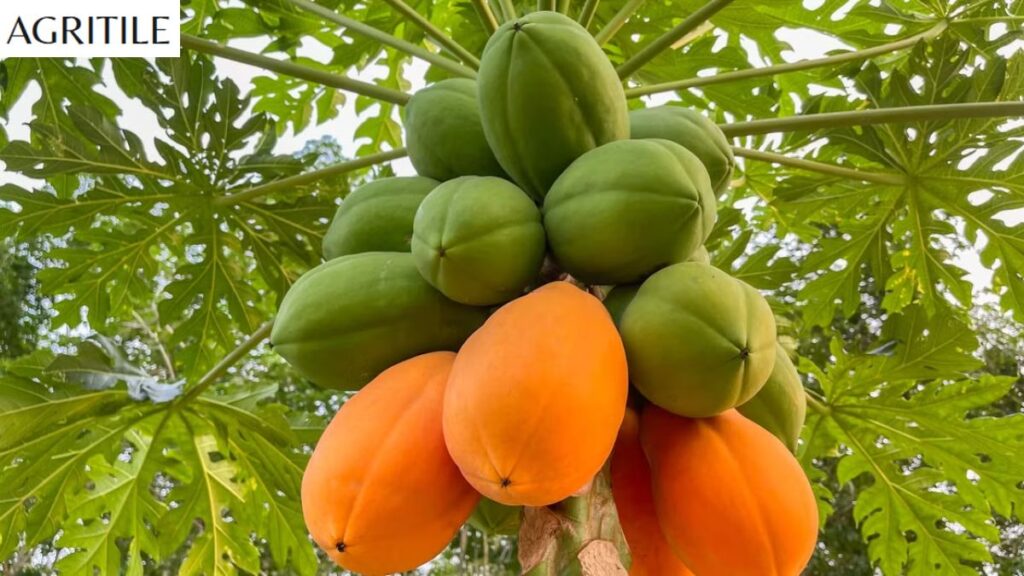
Liquid feeding is a game changer for many agriculturists. Traditional solid fertilizers need a lot of water to break down and reach the roots. However, liquid versions are already dissolved. This means the plant does not have to wait. Rhetorical fragments? Absolutely. Fast absorption. Instant energy. Better yields.
The use of drip systems to send fertilizer is called fertigation. This method is very efficient and can save you up to 30% on your fertilizer costs. It keeps the soil moisture steady while feeding the tree exactly what it needs. Similarly, foliar sprays act like a vitamin shot for the leaves during stressful times like heatwaves or droughts.
The power of 14-14-14 fertilizer for papaya
A balanced formula is often the backbone of a good plan. Many experts suggest a 14-14-14 fertilizer for papaya because it gives equal parts of the big three nutrients. You should start using this around the third month after you plant the tree. Start with a small dose of four ounces every four weeks. Gradually, you can increase this as the tree gets bigger.
| Plant Age | Dosage of 14-14-14 | Frequency |
| 3 to 5 Months | 4 Ounces per tree | Every 4 weeks |
| 6 Months+ | 6 Ounces per tree | Every 5 weeks |
| Established (8 mo) | 1 to 2 Pounds per tree | Every 2 months |
You must remember to water the tree right after you apply any synthetic food. This prevents the nitrogen from burning the sensitive roots or the trunk. On top of that, it helps the minerals sink deep into the dirt where the roots can grab them.
How to make a homemade fertilizer for papaya tree
If you prefer organic ways, you can create a powerful homemade fertilizer for papaya tree right in your backyard. One popular recipe involves mixing jaggery, neem powder, mustard powder, and groundnut powder in equal amounts. You must let this mix ferment for about four days. Later, dilute it with water at a 1:10 ratio before you pour it around the base.
Another great option is a “wormy liquid” or vermicompost tea mixed with cow urine. You can add a tiny bit of chemical NPK to this for an extra boost. This natural soup is full of life and helps the soil stay healthy for years. Plus, it is much cheaper than buying expensive bottles from the store.
Step-by-Step: Applying liquid fertilizer for max results
Follow these steps to ensure your trees get the most out of the Best Liquid Fertilizer for Papaya for Faster Growth & Yield.
- Check the soil: Make sure the ground is not bone dry before you start.
- Create a basin: Dig a shallow circle about 30 cm away from the main stem.
- Mix the solution: Follow the label closely so you do not overdo it.
- Apply carefully: Pour the liquid into the basin but keep it away from the trunk to avoid rot.
- Water it in: Give the plant a good drink to help the nutrients move.
- Spray the leaves: If using a foliar feed, spray in the early morning or late evening to avoid leaf burn.
Special tips for how to grow papaya tree short and bushy
Most people want to know how to grow papaya tree short so it is easier to harvest the fruit. While genetics play a big role, your feeding habit matters too. High nitrogen levels can make a tree grow very tall and thin. This is not always good because tall trees catch the wind and can fall over easily.
To keep the tree compact, focus on phosphorus and potassium once the plant is established. Phosphorus helps with stem thickness rather than just height. Additionally, you can choose dwarf varieties like Babaco or Red Lady if you are growing in a container. These types naturally stay shorter while still giving you plenty of fruit.
Handling 10-10-10 fertilizer for younger seedlings
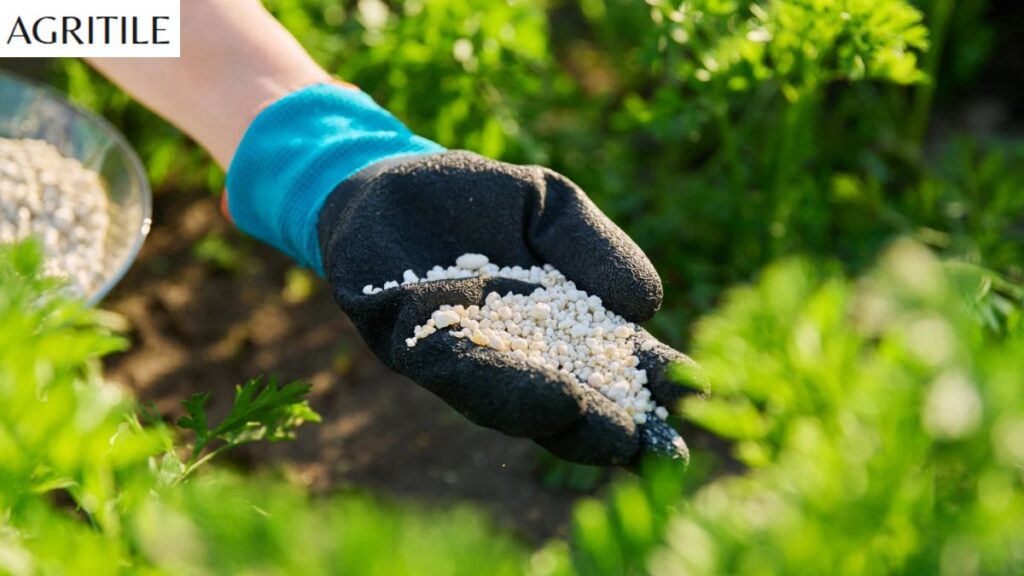
When your plants are just babies, they need a gentle touch. Many gardeners ask, “what is the best fertilizer for papaya plants when they are young?” A balanced 10-10-10 fertilizer is a great starting point for seedlings. It provides enough energy for new leaves without being too harsh.
You can mix half a teaspoon of this into a gallon of water and feed the little plants every 10 to 14 days. This builds a strong foundation. However, do not put strong fertilizer directly in the planting hole when you move them to the garden. This can burn the young roots and kill the plant before it even starts.
Managing micronutrients for fruit quality
Your trees need more than just NPK. They crave micronutrients like boron, zinc, and calcium. A deficiency in boron can cause “lumpy fruit disease” where the papaya looks deformed and bumpy. To fix this, you can spray a liquid borax solution every four months once flowering starts.
Zinc is another big one. It helps the plant process energy. Spraying zinc sulphate can increase the weight of your fruits and the total number of papayas you harvest. Calcium is also key to preventing “blossom-end rot” and internal browning of the seeds.
Common mistakes: Too much fertilizer and its risks
It is easy to think that more food equals more fruit. That is a dangerous trap. Too much nitrogen actually makes the fruit taste worse and can lead to more viral infections. Plus, excessive salts in the soil can turn the leaf tips brown and make them drop off.
If you see these signs, you must stop feeding immediately. Flush the soil with plenty of clean water to wash away the extra salts. This is why testing your soil every now and then is a very smart move. It tells you exactly what is happening under the surface.
Advanced Nutrient Management: Bio NPK results
Let’s look at some hard data. A study on the Gujarat Junagadh Papaya 1 variety showed amazing results with integrated feeding. The researchers used a mix of 75% chemical fertilizer, 25% vermicompost, and a Bio NPK Liquid Biofertilizer.
| Quality Marker | Chemical Only (Control) | Integrated (Bio NPK Mix) |
| Total Sugar (%) | 7.37% | 9.22% |
| Beta-Carotene (mg) | 0.607 | 0.880 |
| Pulp Thickness (cm) | 2.16 cm | 2.96 cm |
The results are clear. Adding liquid bio-fertilizers and organic matter creates a much better fruit. It improves the texture, the health benefits, and the sweetness significantly. Therefore, the Best Liquid Fertilizer for Papaya for Faster Growth & Yield is usually a combination of different sources.
FAQ’s
Is potash good for my papaya trees?
Yes, it is excellent. Potash or potassium is what makes the fruit heavy and sweet. It also helps the tree move sugar from the leaves into the fruit.
Can I use chicken manure as a liquid feed?
You can make a “tea” from aged chicken manure, but be careful. It is very high in nitrogen and can burn roots if it is not composted first. It is a great source of calcium though.
Why are my papaya leaves turning yellow?
This often means a lack of nitrogen or too much water. However, it can also be a sign that you used too much fertilizer and burned the roots.
How often should I use liquid fertilizer?
During the fast-growing season, every two to four weeks is best. When the weather gets cold, you should reduce the amount because the tree grows slower.
What happens if the fertilizer touches the trunk?
It can cause chemical burns and rot. Always keep the fertilizer in a circle at least 15-30 cm away from the main stem.
Is boron really that important?
Yes, it is. Without it, your fruit might become deformed or lumpy. It also helps the tree move sugars around.
Can I grow papaya in a pot with liquid fertilizer?
You certainly can. Use a large 15-20 gallon container and feed a balanced liquid fertilizer every two weeks. Pot soil runs out of nutrients very fast!
Does liquid fertilizer help with viruses?
Not directly, but it makes the tree stronger. A healthy, well-fed tree can often survive a virus attack better than a weak one.
Should I water after liquid fertilizing?
Usually, yes. Even if it is a liquid, a little extra water helps it reach all the roots and prevents any salt buildup in one spot.
What is the best pH for papaya soil?
They like it slightly acidic. A range between 5.5 and 5.9 is perfect for them to soak up all the nutrients you are giving them.
Concluding Words
Finding the Best Liquid Fertilizer for Papaya for Faster Growth & Yield is about balance. You want a mix of quick chemical hits and long-term organic health. Use liquids like Bio NPK and 14-14-14 to keep the growth steady. Do not forget the micronutrients like boron to keep the fruit pretty. If you follow these steps, you will enjoy a massive harvest of sweet, healthy papayas. Happy gardening!