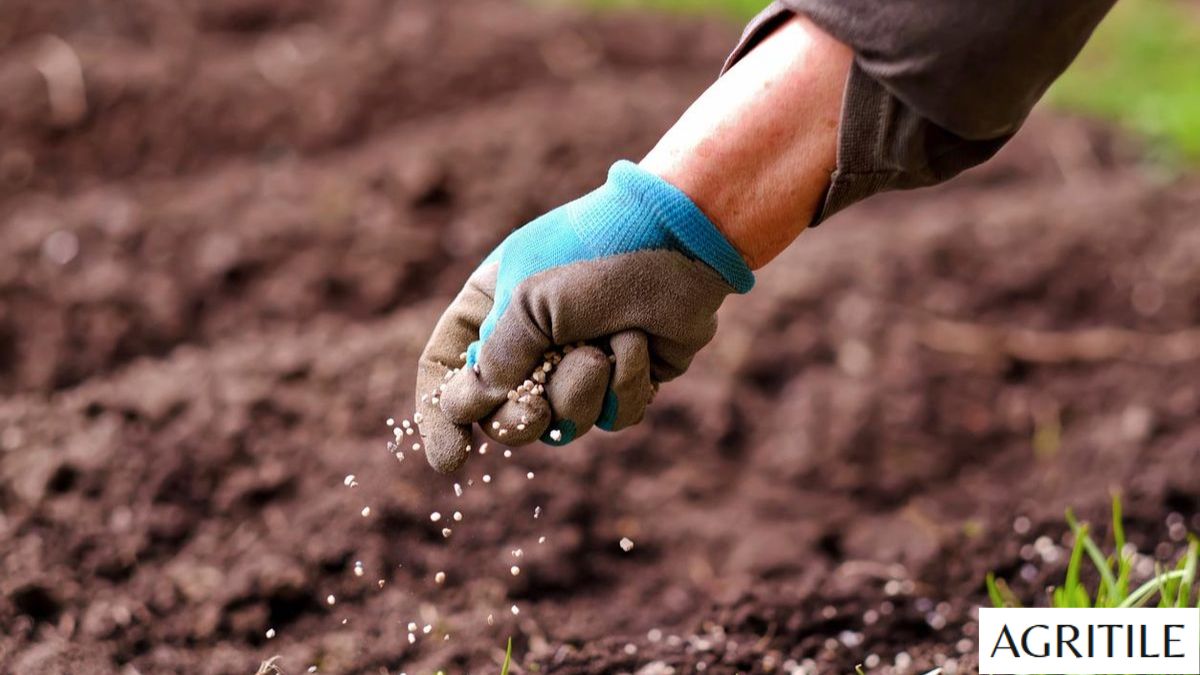
Growing citrus trees brings a lot of joy to any backyard or farm. These plants give us fresh fruit and beautiful scents. However, they are heavy feeders that need a lot of food to stay strong. Finding the Best Liquid Fertilizer for Citrus Trees for Healthy Growth is the secret to a huge harvest. Most soils do not have enough nutrients for these hungry trees. Therefore, you must add extra nutrients to keep the leaves green and the fruit sweet. Plus, the right timing makes a world of difference for your lemon or orange tree.
Many farmers and home gardeners struggle with yellow leaves or fruit that falls off too early. This often happens because the tree lacks nitrogen or potassium. The Best Liquid Fertilizer for Citrus Trees for Healthy Growth provides these elements in a way the tree can use quickly. Liquid options work faster than dry pellets. Additionally, they are much easier to use for plants in pots. You can see results in just a few days. It is truly a game changer for anyone who wants juicy, healthy fruit.
- Use a 6-2-12 NPK ratio for the best balance of leaf growth and fruit quality.
- Apply liquid food weekly during the active growing season for constant nutrient access.
- Add trace elements like iron, zinc, and magnesium to prevent leaf yellowing.
What is the Best Liquid Fertilizer for Citrus Trees for Healthy Growth?
The Best Liquid Fertilizer for Citrus Trees for Healthy Growth is a mix that has the right balance of nitrogen, phosphorus, and potassium. These are the three main numbers you see on a bottle. For citrus, a ratio like 6-2-12 is often perfect. Nitrogen helps the leaves stay a rich green color. Phosphorus helps the roots grow deep and strong. Potassium is the real star for fruit. It makes the fruit large and full of flavor.
Though many general plant foods exist, citrus trees have special needs. They use a lot of potassium once they start to flower. If you use a food with too much nitrogen, you might get lots of leaves but no fruit. On the contrary, a potassium-rich liquid food helps the tree hold onto its blossoms. This leads to a much better harvest. Also, liquid versions are great because they spread evenly in the soil. This means every root gets a fair share of the meal.
Comparison of Fertilizer Types
| Fertilizer Type | Speed of Results | Best For | Frequency |
| Liquid | Very Fast | Containers and Quick Fixes | Weekly or Bi-weekly |
| Granular | Slow to Medium | Large Orchards | Once every 2-3 months |
| Foliar Spray | Immediate | Nutrient Deficiencies | Monthly |
Liquid fertilizers are easy to mix and apply with a simple watering can. They are especially helpful when you need the best liquid fertilizer for lemon trees. Lemon trees often flower and fruit at the same time. Therefore, they need a steady supply of energy throughout the year.
The Importance of High Potassium in Your Citrus Food

Potassium is the most important nutrient for a productive citrus tree. It supports flower strength and fruit size. Citrus trees allocate a lot of energy to fruit production. Without enough potassium, the tree might drop its fruit before it is ripe. A 6-2-12 ratio puts a strong emphasis on this element. It ensures the tree has the power to finish what it started. Plus, potassium helps the tree handle stress like cold weather or drought.
Nitrogen is still necessary for a healthy canopy. Without it, the tree cannot make energy from sunlight. However, too much nitrogen is a common mistake. It encourages soft, leafy growth. This soft growth is a magnet for pests and diseases. Similarly, excess nitrogen can reduce the quality of the fruit. Therefore, the Best Liquid Fertilizer for Citrus Trees for Healthy Growth always keeps these two in a careful balance. It is about harmony in the soil.
Best Organic Liquid Fertilizer for Fruit Trees
Many people prefer natural options for their home gardens. The best organic liquid fertilizer for fruit trees often includes things like seaweed extract or compost tea. Seaweed extract is a wonder product for plants. It is full of vitamins and minerals. It helps the roots grow better and makes the tree more resistant to cold. You can spray it directly on the leaves once a month. This is called foliar feeding. It is a great way to give your tree a quick health boost.
Compost tea is another fantastic organic choice. You can make it at home by soaking compost in water. This “liquid gold” is full of beneficial microbes. These tiny organisms improve the soil structure over time. This makes the soil better at holding water and nutrients. Additionally, it helps the tree resist pests and diseases naturally. “Good tea improves soil health,” as many experts say. It is a sustainable way to feed your orchard without harsh chemicals.
Benefits of Organic Liquid Options
- Eco-friendly: These products are safe for the environment and helpful insects.
- Soil health: They build up the biology of the soil rather than just feeding the plant.
- Lower burn risk: Organic nutrients release more slowly, so they are less likely to hurt the roots.
Best Liquid Fertilizer for Citrus Trees in Containers
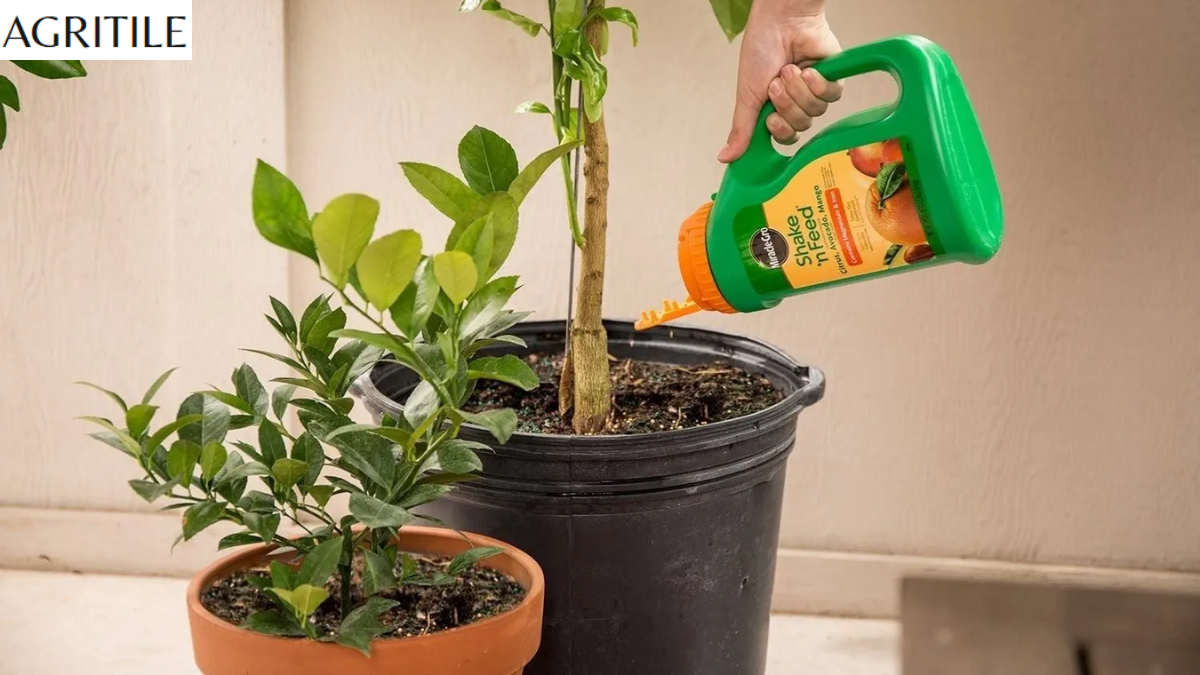
If you grow trees in pots, you need a different plan. The best liquid fertilizer for citrus trees in containers is one that replaces nutrients lost during watering. Water flows through pots quickly. This washes away the food the tree needs. Therefore, frequent feeding is a must for potted plants. A liquid food is ideal here. It reaches the roots instantly. Plus, it does not build up salts as easily as some dry fertilizers might.
For a Meyer Lemon in a pot, many gardeners use a dilute liquid solution every time they water. This keeps the nutrient levels stable. A product like Jack’s Classic or a citrus-specific liquid NPK works well. On top of that, you must check for calcium and magnesium. These are often missing in standard potting mixes. A liquid “Cal-Mag” supplement can help prevent blossom end rot and yellow leaves. It is all about giving the tree exactly what it needs in a small space.
What Kind of Fertilizer is Good for Citrus Trees?
You might wonder, what kind of fertilizer is good for citrus trees? The answer depends on your tree’s age and health. Young trees need more nitrogen to build a strong frame. Mature trees need more potassium for fruit production. A citrus-specific fertilizer is always better than a general one. These formulas include trace elements like iron, zinc, and manganese. Citrus trees are very sensitive to a lack of these minerals.
Iron deficiency is a common problem. It shows up as yellow leaves with green veins. Zinc deficiency makes the new leaves look small and bunched together. The Best Liquid Fertilizer for Citrus Trees for Healthy Growth will have these minerals in a “chelated” form. This means the plant can absorb them easily, even if the soil is not perfect. Using the right kind of food prevents these issues before they start. It is much easier to keep a tree healthy than to fix a sick one.
Liquid vs. Granular Fertilizer Comparison
| Feature | Liquid Fertilizer | Granular Fertilizer |
| Release Speed | Immediate | Slow and steady |
| Application | Sprayer or can | Spreaders or hand |
| Waste Risk | Low (direct to roots) | Medium (leaching) |
| Longevity | Short (needs more apps) | Long (lasts weeks/months) |
When Should I Fertilize My Citrus Tree?
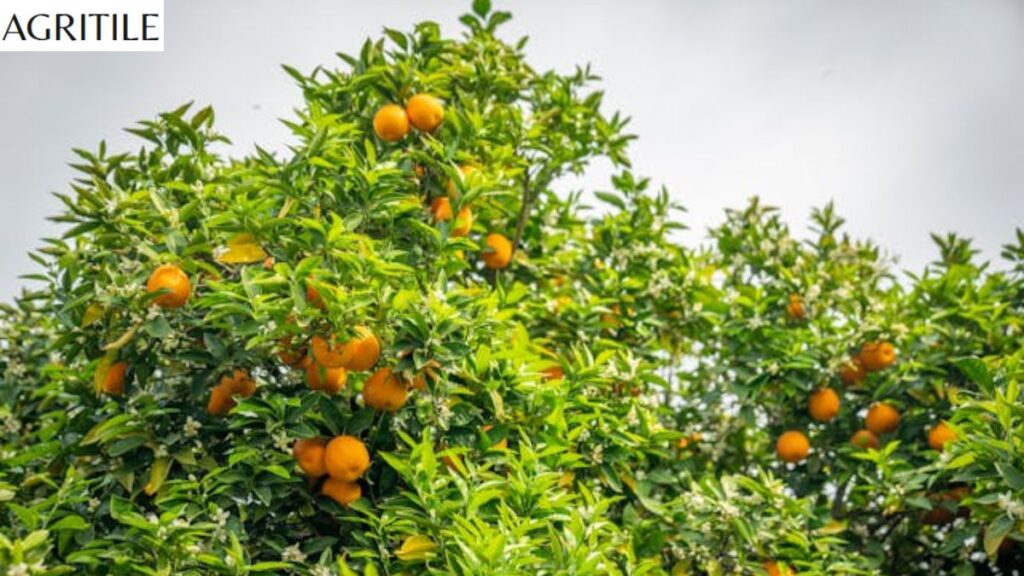
Timing is everything when it comes to plant health. When should i fertilize my citrus tree? You should start in early spring. This is when the tree wakes up and gets ready to bloom. In many places, March is the perfect time to begin. You want to give the tree plenty of energy for the new growth and flowers. Then, continue feeding throughout the summer. This is when the fruit is growing and needs the most support.
Stop fertilizing in late summer or early autumn. Feeding too late in the year can be dangerous. It encourages new growth that is very soft. This new growth can be easily killed by the first frost of winter. Also, late feeding can make the fruit skin thick and rough. Therefore, a good schedule is the key to success. Most experts suggest feeding every six weeks from spring until August. For liquid food, a smaller dose every week or two is even better.
How to Apply Liquid Fertilizer Step-by-Step
Using the Best Liquid Fertilizer for Citrus Trees for Healthy Growth is easy if you follow these steps. First of all, always read the label on your product. Every brand is a bit different. However, the general process is usually the same.
- Water your tree first. Never apply fertilizer to a thirsty tree. This can cause the roots to burn.
- Measure the concentrate. Use the exact amount the label suggests. More is not always better.
- Mix with water. Use a clean bucket or watering can. Stir it well so the nutrients are spread evenly.
- Apply to the root zone. Pour the mixture on the soil under the tree canopy. Avoid getting it on the trunk.
- Use as a foliar spray (Optional). Some liquid foods can be sprayed on the leaves. Do this in the early morning or late evening.
- Repeat as needed. Follow your schedule. Consistency is what makes a tree thrive.
Tips and Tricks for Healthy Citrus Growth
A few extra tricks can make your citrus trees the envy of the neighborhood. First, check your soil pH. Citrus trees love soil that is slightly acidic. If the soil is too alkaline, the tree cannot take up iron, even if it is there. A simple home test kit can tell you where you stand. Additionally, use mulch around the base of your tree. This keeps the roots cool and holds in moisture. Just keep the mulch away from the trunk to prevent rot.
Another great tip is to use seaweed extract as a “pick-me-not.” It is perfect for trees that look a bit tired. On top of that, watch out for “fertilizer burn.” This happens if you use too much food or apply it to dry soil. If you see brown, crispy edges on the leaves, you might have overdone it. Flush the soil with lots of plain water for a week to wash away the extra salts. What fertilizer do you use for citrus trees matters, but how you use it is just as important.
Managing Yellow Leaves and Nutrient Deficiencies
Yellow leaves are the most common complaint from citrus growers. Often, it is a sign that the tree is hungry. If the whole leaf is pale yellow, it usually needs more nitrogen. If the leaf is yellow but the veins stay green, it is likely an iron or zinc problem. Sometimes, cold weather makes leaves yellow because the roots cannot work well in the cold. Do not panic. Just wait for the weather to warm up and start your feeding routine.
What kind of fertilizer is good for citrus trees when they are yellow? Look for a liquid “chelated” micronutrient spray. This is the fastest way to fix the color. You spray it right on the leaves, and the tree absorbs it immediately. It is like a vitamin shot for your plant. Later, make sure your regular soil fertilizer has these trace elements too. This prevents the yellowing from coming back. A healthy tree has dark, glossy green leaves that look full of life.
FAQ’s
What is the Best Liquid Fertilizer for Citrus Trees for Healthy Growth?
The best choice is a liquid NPK with a 6-2-12 ratio and added trace elements. This balance supports both leaf health and fruit production perfectly.
Can I use the best liquid fertilizer for lime trees on my orange tree?
Yes. Most citrus trees have very similar nutrient needs. A good citrus-specific liquid food works for lemons, limes, oranges, and mandarins alike.
How often should I use the best liquid fertilizer for lemon trees?
For the best results, apply a dilute liquid fertilizer once a week during the growing season. This provides a steady stream of nutrients for the tree.
Why are my citrus leaves turning yellow even though I fertilize?
This is often due to a lack of micronutrients like iron or magnesium. It can also happen if the soil pH is too high, which blocks nutrient uptake.
Is it safe to use the best organic liquid fertilizer for fruit trees in the sun?
No. Always apply liquid fertilizers or foliar sprays in the early morning or late evening. Midday sun can cause the wet leaves to burn.
Can fertilizer burn kill my citrus tree?
Yes. Severe fertilizer burn dehydrates the plant and can kill the roots. Always follow label instructions and water the tree before feeding.
What should I do if I think I over-fertilized my tree?
Flush the soil with plenty of fresh water for about a week. This helps wash the excess salts away from the root zone and saves the tree.
Is seaweed extract a complete fertilizer for citrus?
No. Seaweed extract is a great supplement, but it usually lacks nitrogen. It is best used alongside a balanced liquid NPK fertilizer.
Should I fertilize my citrus tree in the winter?
Generally, no. Citrus trees do not take up much food in cold weather. Stop feeding in late summer and wait until spring to start again.
Can I make the Best Liquid Fertilizer for Citrus Trees for Healthy Growth at home?
You can make organic versions like compost tea or orange peel fertilizer at home. These are great for soil health but might need extra nitrogen or potassium supplements.
Concluding Words
The Best Liquid Fertilizer for Citrus Trees for Healthy Growth is a powerful tool for any gardener. It provides fast results and is easy to use for all types of citrus. By choosing a potassium-rich formula and adding trace elements, you can ensure your trees stay green and productive. Remember to feed consistently during the spring and summer.
Avoid late-season applications to protect the tree from frost. With the right care and the right food, your citrus orchard will be a source of pride and delicious fruit for many years to come.