Every spring I walk past my neighbor’s peony bush and feel a bit of envy. Her yard looks like a professional florist shop for two weeks straight. The flowers are pink, ruffly, and as big as softballs. It is absolutely covered in blooms that smell amazing. For a long time, my own plants just sat there with a handful of buds that never really opened. The stems would flop over and the flowers stayed small before they disappeared fast. I watered them and I gave them food, but nothing seemed to work.
The problem was simple. I was feeding my plants the wrong thing at the wrong time. It is a very fixable issue once you understand what these flowers actually want from their soil. This article is about my real journey to find the Best Liquid Fertilizer for Peonies Bigger Blooms. I want to help you grow the most spectacular flowers possible without the guesswork. We will look at organic choices, soil biology, and the perfect timing for your garden. Plus, I will share the secrets that changed everything for my flower beds.
- Low nitrogen is vital because too much produces leaves but zero flowers.
- Phosphorus and potassium drive the big, sturdy blooms you want.
- Timing matters most in early spring and right after the flowers fade.
What is the importance of choosing the Best Liquid Fertilizer for Peonies?
You might think all plant food is the same. It is not! Peonies are long-lived perennials that can thrive for fifty or even a hundred years in the same spot. Because they stay in one place so long, they need a steady supply of specific nutrients to keep up their energy. The Best Liquid Fertilizer for Peonies Bigger Blooms provides these nutrients in a way the plant can use immediately. Liquid options are easy to use and they absorb into the soil quickly.
The right choice supports the “trifecta” of peony health. This includes low nitrogen, high phosphorus, and high potassium. Additionally, a good liquid feed often contains living soil biology. These microbes help the roots take up food more efficiently. Therefore, choosing a high-quality liquid fertilizer is the fastest way to see a change in your garden.
Why do peonies act fussy about their food?
Peonies are actually quite picky. Most all-purpose fertilizers are loaded with nitrogen because it makes grass and basil grow fast. However, peonies do not want a ton of nitrogen. If you give them too much, you get a gorgeous bush of green leaves but no flowers to put in a vase. It is genuinely heartbreaking to watch a lush green plant produce zero blooms.
At that time, the plant puts all its energy into foliage instead of buds. To fix this, you need a formula where the middle number, which is phosphorus, is higher than the first number. Phosphorus is the key to root development and bud formation. Plus, potassium helps the stems stay strong so they do not flop over under the weight of heavy flowers.
The Best Liquid Fertilizer for Peonies Bigger Blooms: My top real-world picks
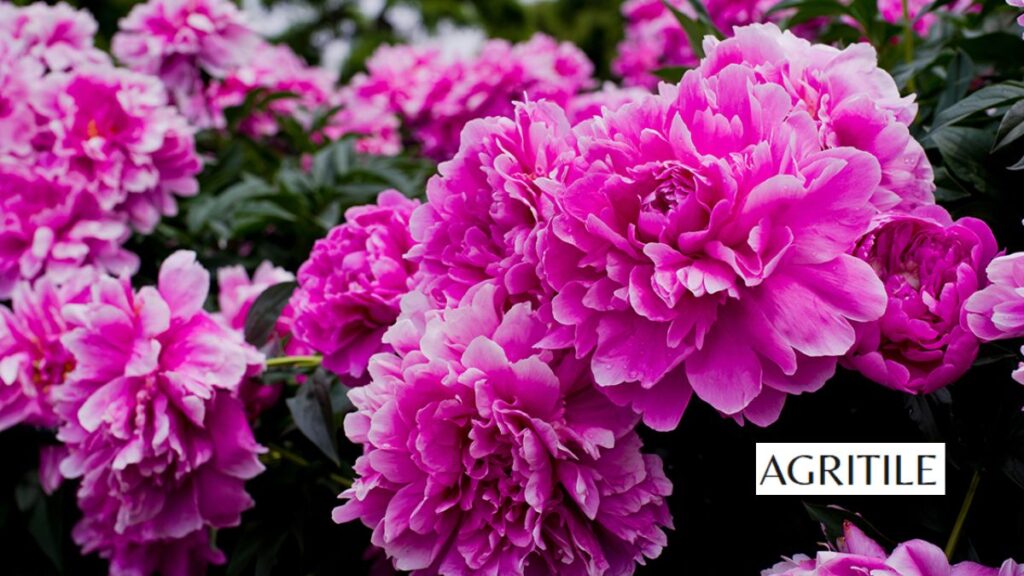
I have tried many products over the years. Some worked great, and others were a waste of cash. First of all, the Best Liquid Fertilizer for Peonies Bigger Blooms in my experience is a high-quality organic bloom booster. These liquids often contain a mix of nutrients and beneficial microbes.
| Product Type | Why It Works | Best Time to Use |
| Bloom Booster Liquid | Triggers flowering response with microbes. | Weekly from bud formation. |
| Fish Emulsion | High in nitrogen for post-bloom foliage. | Lightly after flowers fade. |
| Seaweed Extract | Helps with stress and root development. | During transplanting or heat. |
A liquid feed like True Organic Bloom Booster or Elm Dirt Bloom Juice is my go-to. These products are safe for people and pets. On top of that, they do not cause salt buildup in the soil like some synthetic brands do. Similarly, Bonide Liquid Plant Food is a popular choice for home growers because it is easy to measure and pour.
what fertilizer should i use on peonies for the best results?
When you go to the store, look at the N-P-K numbers on the label. For these flowers, a ratio like 5-10-10 or 10-20-20 is ideal. You want that middle number to be the star of the show. If you see a bottle with a 30-10-10 ratio, put it back! That is a lawn fertilizer and it will suppress your blooms almost completely.
If you prefer a more natural approach, you can make a “compost tea” at home. You will need a bucket, an air pump, and some high-quality compost.
- Fill a five-gallon bucket with water.
- Add a handful of compost.
- Mix in a bit of molasses to feed the bacteria.
- Let it brew for twenty-four to seventy-two hours.
- Use this “tea” to water your plants for a gentle nutrient boost.
what should i fertilize peonies with to avoid common mistakes?
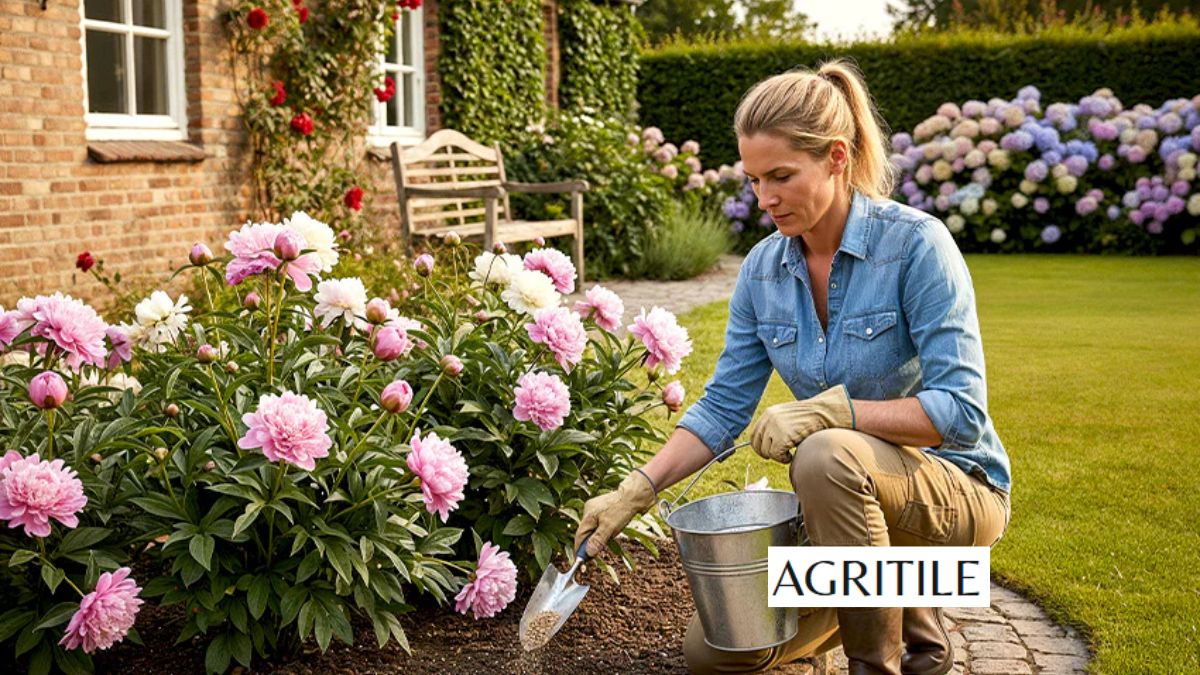
It is very easy to make mistakes that hurt your plants. First, do not apply fertilizer directly on the crown of the plant. This can burn the growth eyes and cause rot. Always apply your Best Liquid Fertilizer for Peonies Bigger Blooms in a ring around the drip line. The drip line is the area on the ground directly under the outermost leaves.
Another common error is fertilizing too late in the season. You should stop all feeding by mid-July. Late feeding pushes tender new growth that cannot survive the winter frost. Also, do not over-fertilize young plants. Newly divided peonies need time to establish roots before they can handle heavy feeding.
How to apply liquid fertilizer for peonies step by step
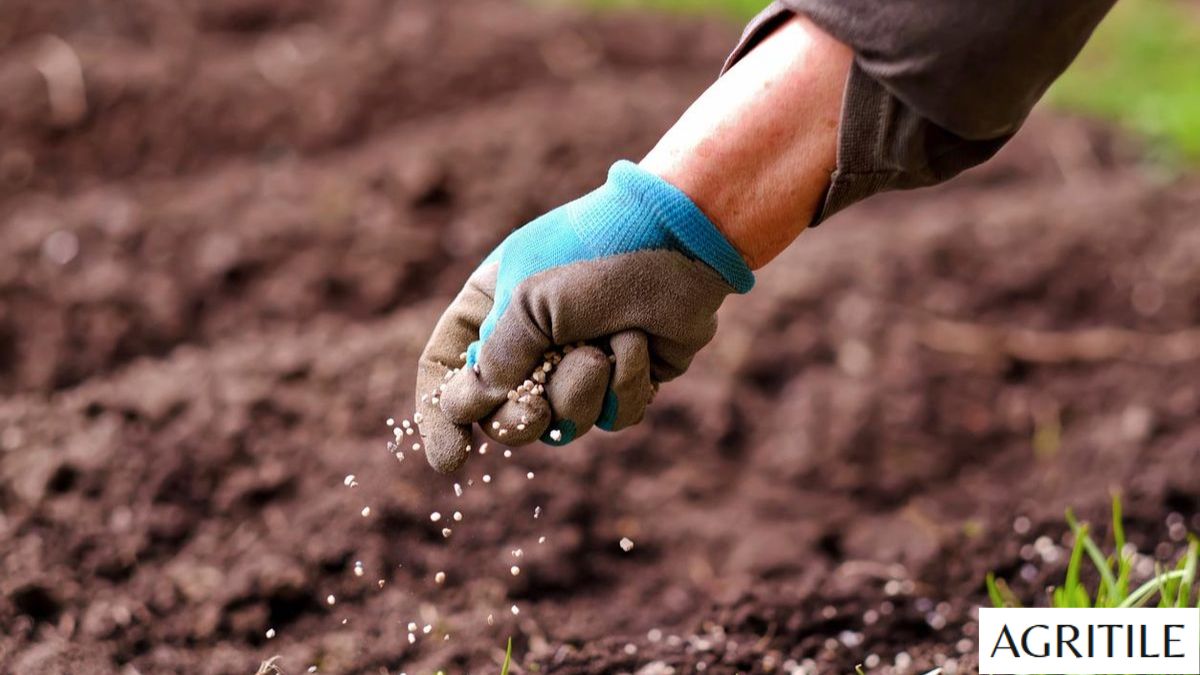
Using a liquid feed is a simple process. First of all, make sure you read the instructions on the bottle. Most liquids need to be diluted with water so they do not burn the roots.
- Step 1: Wait until the red or pink shoots are about two to three inches tall in early spring.
- Step 2: Mix your liquid fertilizer with water in a watering can.
- Step 3: Pour the mixture in a circle around the base of the plant.
- Step 4: Keep the liquid a few inches away from the stems to prevent damage.
- Step 5: Repeat this every two to three weeks during the active growth phase if the label suggests it.
Gradually, you will see the plant grow stronger. Plus, the liquid reaches the roots much faster than granules that have to wait for rain to dissolve.
The secret schedule: When what is the best fertilizer for peony matters most
Timing is everything in the garden. If you feed at the wrong moment, you are working against the plant. Most people only fertilize in the spring, but that is only half the story.
| Season | Goal | What to Use |
| Early Spring | Bud development. | High-phosphorus liquid. |
| Bud Stage | Stem strength. | Weekly Bloom Booster. |
| Post-Bloom | Reserve building. | Light, balanced organic feed. |
| Early Fall | Root growth. | Organic matter or bone meal. |
The “forgotten feed” happens right after the flowers fade in late May or June. At that time, the plant switches into reserve-building mode. A light application now gives the plant energy to store over the winter. This sets up the following year’s blooms. Therefore, a post-bloom feeding is one of the most impactful changes you can make.
what is the best fertilizer for peony types?
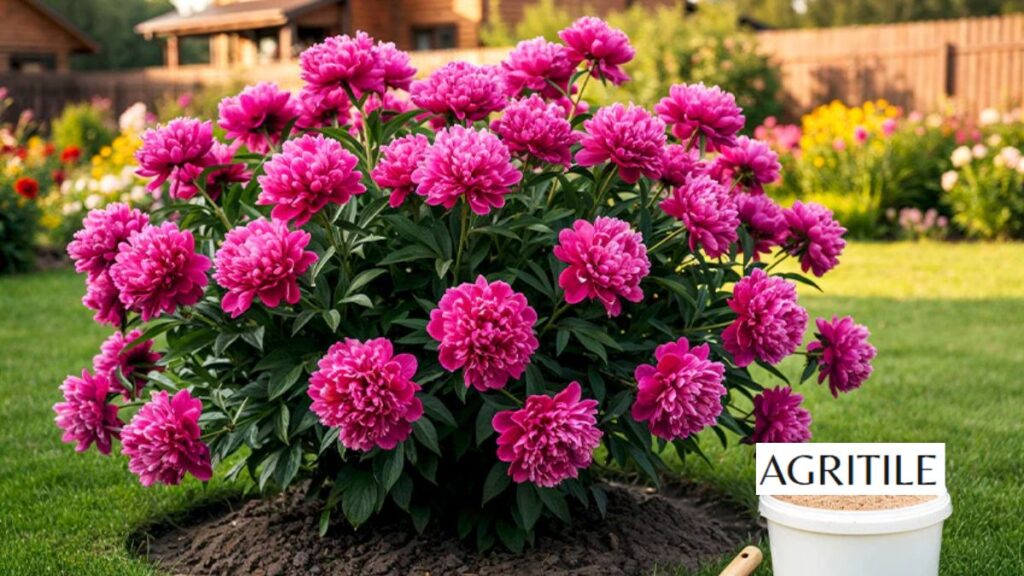
Did you know different varieties have different needs? Herbaceous peonies, the traditional ones that die back to the ground, have modest needs. They love a single spring feeding and a light post-bloom boost. On the contrary, Tree Peonies are woody shrubs that stay above ground all year. They are slower growers and prefer gentle, consistent organic nutrition.
Intersectional or Itoh peonies are a mix of both types. They often bloom for a longer time and are heavier feeders. Similarly, double-flowered varieties like ‘Sarah Bernhardt’ need extra potassium to support those massive, heavy heads. Without enough potassium, the stems will surely flop over in the mud.
Soil pH: The invisible bloom killer you must fix
You can use the Best Liquid Fertilizer for Peonies Bigger Blooms and still see no results if your soil pH is wrong. Peonies prefer a pH between 6.0 and 7.0. If the soil is too acidic, the phosphorus gets “locked up”. The roots simply cannot touch it.
You are literally throwing your money away if you do not check this first. A basic soil test is cheap and easy to do. If your pH is low, you can add garden lime to raise it. If it is too high, you can use sulfur to bring it down. Fix the soil first, and then the fertilizer can do its magic.
what fertilizer to use for peony flower health and defense
A great fertilizer does more than just make flowers big. It also protects the plant from diseases like botrytis. This is a gray mold that turns buds brown and mushy before they open. Some organic liquid fertilizers contain beneficial bacteria that act as “biocontrol agents”.
These microbes compete with fungal pathogens in the soil. On top of that, seaweed extract helps thicken the plant’s cell walls. This makes it harder for pests and diseases to attack the plant. So, using the Best Liquid Fertilizer for Peonies Bigger Blooms is also a smart way to keep your garden healthy and strong.
Tips and tricks for huge softball-sized flowers
Want to know the real secrets? First of all, add a handful of bone meal to the hole when you first plant your peonies. This gives the roots an immediate source of phosphorus for years to come. Later, if your flowers are small, try a light dusting of wood ash around the base in the spring. Wood ash is high in potassium and it slightly raises the pH.
Also, do not forget the ants! Many people worry about ants on their peony buds, but they are actually helpful. They do not hurt the plant and some say they even help the flowers open. Finally, provide support like peony rings or stakes before the plant gets too tall. Heavy blooms will bend stems to the ground if you do not help them out.
FAQ’s
Do peonies need fertilizer every single year?
It depends on your soil. Established plants in rich soil might only need food every few years. However, most gardeners find that a light annual feeding in the spring leads to much better blooms. If your soil is sandy, you will definitely need to fertilize more often because nutrients wash away quickly.
What happens if I use too much nitrogen?
You will get a very beautiful green bush but zero flowers. Too much nitrogen tells the plant to grow leaves instead of buds. If this happens, stop using that fertilizer immediately. It might take a whole season for the plant to balance out again.
Can I use rose fertilizer on my peonies?
Yes, you can! Many rose fertilizers are high in phosphorus, which peonies love. Just check the N-P-K numbers to make sure the nitrogen is not too high. A ratio like 4-8-8 or 5-10-5 is usually a safe bet for both flowers.
Why are my peony blooms so small this year?
Small blooms often mean the plant is hungry for phosphorus or potassium. It could also be a sign of salt buildup from old synthetic fertilizers. Switching to an organic liquid fertilizer can help fix this issue over time.
Is liquid fertilizer better than granular for peonies?
Liquid fertilizer works much faster because the nutrients are already dissolved. It is great for a quick boost during the growing season. Granular fertilizer is usually a slow-release option that feeds the plant over several months. Many experts recommend using both for the best results.
When should I stop fertilizing my peonies for the year?
You must stop all feeding by mid-July. Fertilizing in late summer or fall can cause new growth that will die in the winter. The only exception is a very light application of organic matter or bone meal in late fall to help the roots over winter.
How do I know if my soil pH is wrong?
The best way is to buy a cheap soil test kit from a garden center. If your peonies have yellow leaves but you are giving them enough food, the pH might be blocking the nutrients. A pH between 6.0 and 7.0 is the “sweet spot” for these plants.
Can I use fish fertilizer on my peonies?
Yes, fish emulsion is a great organic source of nitrogen and minerals. However, it is very concentrated and can smell quite strong. Always dilute it with water—usually one part fertilizer to one hundred parts water—to avoid burning the roots.
What is the best way to save an over-fertilized plant?
If you see burnt leaf tips or a white crust on the soil, you have used too much food. You should flush the soil with lots of plain water to wash away the excess salts. Remove any dead or damaged leaves and stop fertilizing for the rest of the season.
Should I fertilize my peonies in their first year?
Be very gentle with new plants. They are busy building roots and do not need a lot of heavy food. A light application of worm castings or a very diluted liquid feed is plenty for the first season.
Concluding Words
Finding the Best Liquid Fertilizer for Peonies Bigger Blooms is a game changer for any garden. It is all about giving the plant what it needs right when it needs it. Remember to keep your nitrogen low and your phosphorus high for those softball-sized flowers we all love. Always check your soil pH to make sure your plants can actually eat the food you give them. Plus, do not forget to feed them lightly after the blooms fade to set up a great show for next year.
Following these simple steps will help you grow the most beautiful peonies on the block. It takes a little bit of patience, but the results are worth every second of work. I hope my real-world experience helps you avoid the mistakes I made early on. Happy gardening, and may your peony blooms be bigger and better than ever before! The Best Liquid Fertilizer for Peonies Bigger Blooms truly makes the difference between a plain green bush and a floral masterpiece.