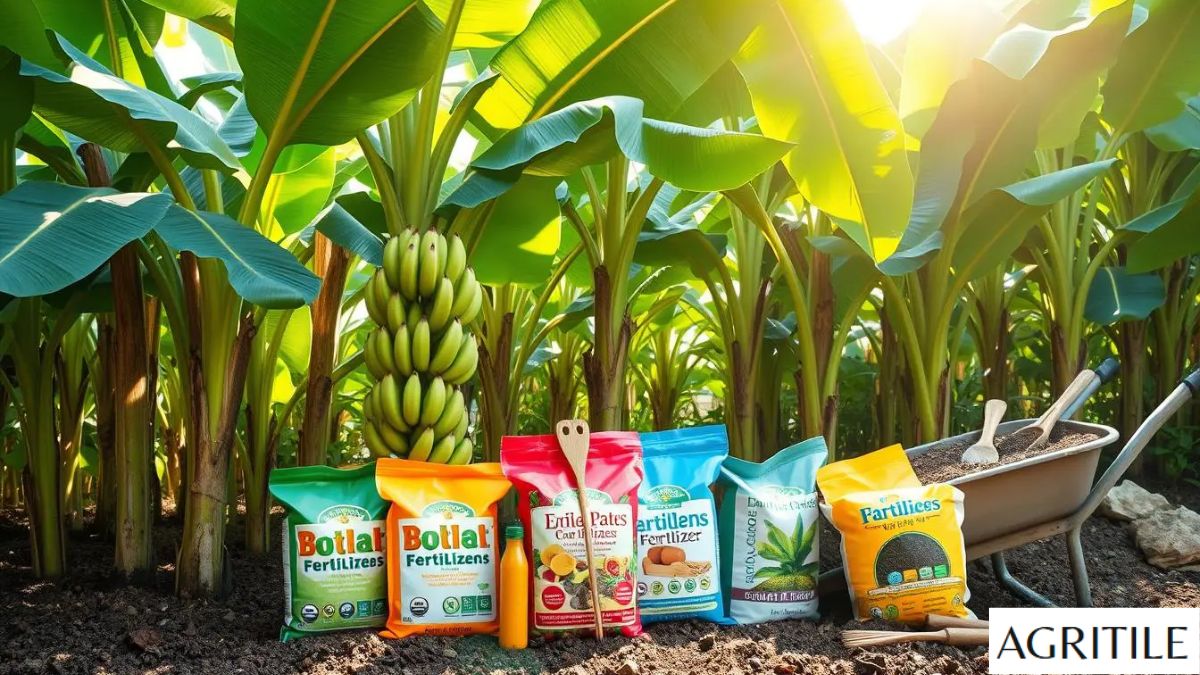
Banana plants are famous for their massive appetites and their love for food. They need a steady supply of nutrients to produce those sweet, yellow fruits we all enjoy. If you want your trees to reach their full potential, you must choose the Best Liquid Fertilizer for Banana Plants for Faster Growth. This type of feeding helps the plant soak up minerals right away through the roots and the leaves. It is the most effective way to ensure a lush and productive garden.
You might wonder what makes a fertilizer truly great for these tropical giants. A mix of nitrogen, phosphorus, and potassium is the foundation of any good feeding plan. Nitrogen makes the leaves big and green while phosphorus builds a strong root system. On top of that, potassium is the real star because it helps the fruit ripen and keeps the plant healthy. When you use the Best Liquid Fertilizer for Banana Plants for Faster Growth, you give your trees exactly what they crave at the right time.
- Liquid feeds work faster than solid granules.
- Potassium is the most important nutrient for fruit.
- Regular feeding every two weeks is best for summer.
What is the Best Liquid Fertilizer for Banana Plants for Faster Growth?
The ideal food for your banana tree is often a liquid mix with a specific NPK ratio. Many experts suggest a 3-1-6 ratio for consistent results throughout the year. This means the formula has three parts nitrogen, one part phosphorus, and six parts potassium. A product like Liquid Banana Fuel is a great example of this balanced approach. It provides a quick boost that you can see in just a few days.
You can also use a balanced 20-20-20 formula during the peak growing season. This high concentration of nutrients helps the plant put on height and new leaves very quickly. However, you should switch to a mix with more potassium once the flowers appear. A 10-8-20 ratio is perfect at that stage to help the fingers of the banana bunch fill out. It is all about giving the plant what it needs as it changes.
Why Liquid Nutrients Are Better for Your Garden
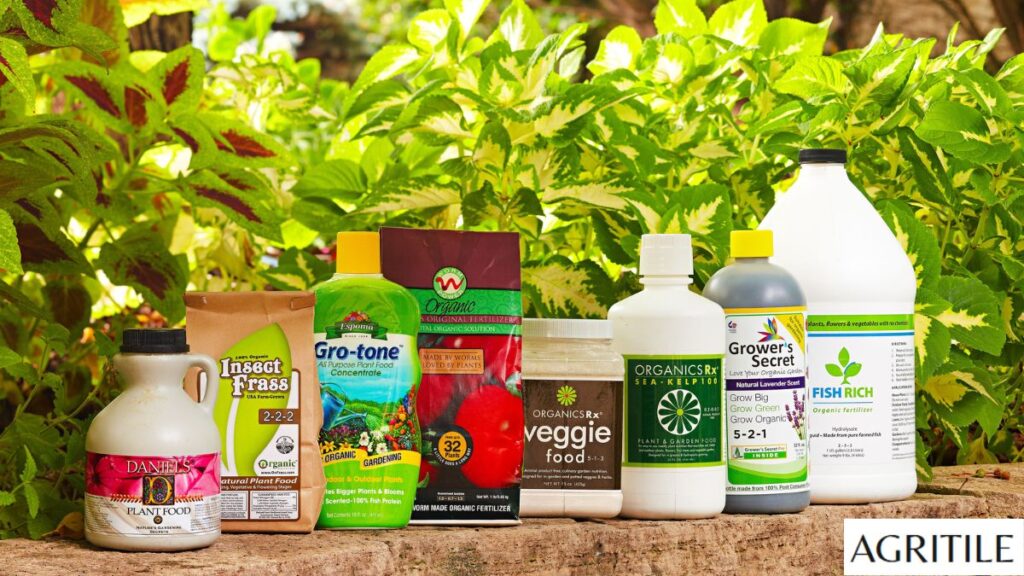
Liquid fertilizers are very easy for the plant to digest. The roots can pull the nutrients from the soil as soon as you pour the water. This is a huge benefit compared to slow-release spikes or granules that take weeks to break down. Plus, you can apply liquid food directly to the leaves through a process called foliar feeding. This method bypasses the soil entirely and delivers minerals straight to the plant tissues.
If you grow your bananas in pots, liquid options are even more vital. Potted plants have limited soil, so they run out of food very fast. You must provide a constant stream of nutrients to keep them from becoming stunted. A weekly or bi-weekly dose of the Best Liquid Fertilizer for Banana Plants for Faster Growth will keep your container trees happy. It is the secret to success for indoor or patio gardeners.
| Fertilizer Type | Speed of Results | Best Use Case |
| Liquid | Very Fast | Potted plants and quick fixes |
| Granular | Medium | Large outdoor plantations |
| Spikes | Slow | Low-maintenance garden beds |
Liquid fertilizers also allow for precise control. You can dilute the strength if your plant is young or sensitive. This flexibility prevents the risk of root burn that often happens with strong chemical pellets. Simply mix the concentrate with water and you are ready to go. It is a simple and clean way to manage your garden health.
Understanding NPK and Essential Micronutrients
Every gardener should know the big three: Nitrogen, Phosphorus, and Potassium. Nitrogen is the engine for leafy growth, but too much of it can make your fruit bunches small. Phosphorus is the key to a strong foundation and beautiful flowers. Potassium is the most used nutrient, making up more than 60 percent of what the plant needs. Without enough potassium, your bananas might be tiny or tasteless.
There are also secondary nutrients that play a massive role in plant health. Magnesium prevents old leaves from turning yellow too soon. Calcium is necessary for healthy fruit and stops the skins from splitting open. Sulphur helps the plant use nitrogen more efficiently. A high-quality Best Liquid Fertilizer for Banana Plants will include these minor elements. They are often the difference between a good crop and a great one.
| Nutrient | Main Benefit | Deficiency Sign |
| Nitrogen | Green leaf growth | Yellowing small leaves |
| Phosphorus | Root development | Poor flowering |
| Potassium | Fruit quality | Yellow margins on old leaves |
Boron, iron, and zinc are also part of the mix. Boron is essential for large bunches and healthy new growth. Iron keeps the young leaves from turning pale or white. Zinc protects the crown of the tree from damage and disease. Check your fertilizer label to see if these are included. Your trees will thank you with a massive harvest.
Is banana peel liquid fertilizer good for plants?
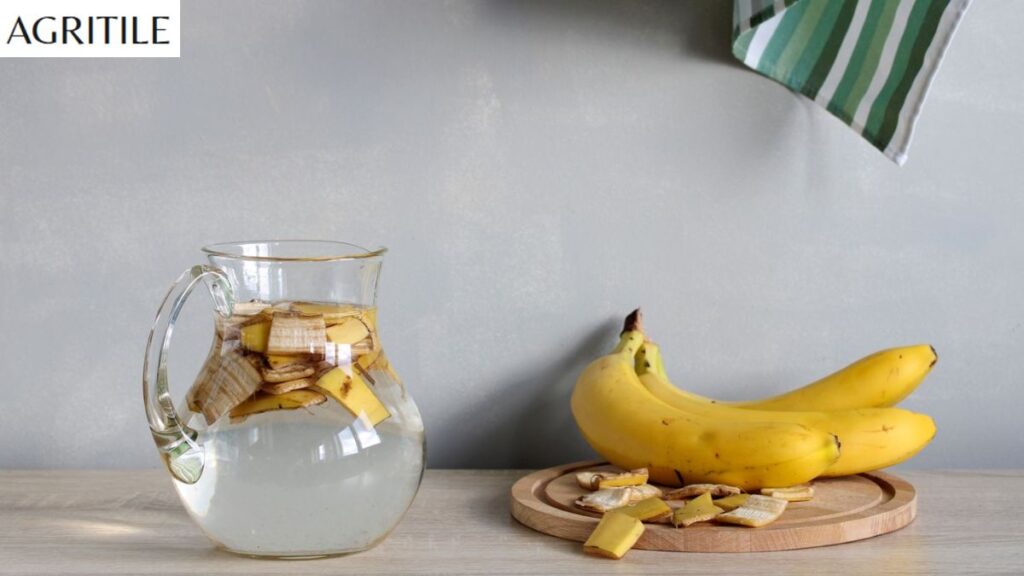
Many people ask me, is banana peel liquid fertilizer good for plants? The answer is a big yes, but you must use it correctly. Banana peels are naturally rich in potassium and some phosphorus. When you soak them in water, those nutrients leach into the liquid. This creates a mild, organic tea that provides a gentle boost to your garden.
However, you should know that this “tea” does not have much nitrogen. Bananas are heavy feeders and need more than just peels to grow fast. You should use this homemade mix as a supplement rather than a primary food source. It is great for flowering plants like hibiscus or roses. For your banana trees, though, you will likely need something stronger to see real speed.
How to make banana liquid fertilizer at home
If you want to try a DIY project, you can learn how to make banana liquid fertilizer using a fermentation method. This is often called Fermented Plant Juice or FPJ. You will need some ripe bananas, brown sugar or molasses, and a glass jar. Start by slicing the bananas into small circles, keeping the skins on for extra potassium. Mix the fruit with an equal weight of sugar in a bowl.
The sugar will pull all the moisture and nutrients out of the fruit. Pack the mixture into your jar and cover the top with a paper towel and a rubber band. Let it sit in a dark, room-temperature spot for about seven to ten days. After the fermentation is done, strain out the solids and keep the dark liquid. This concentrate is very powerful and must be diluted at a rate of one milliliter per liter of water.
- Step 1: Slice bananas and weigh them.
- Step 2: Add equal weight of brown sugar.
- Step 3: Massage the mix until it is liquid.
- Step 4: Ferment in a jar for 10 days.
- Step 5: Strain and dilute before use.
This homemade brew is shelf-stable for at least a year. It is a fantastic way to recycle kitchen waste into gold for your garden. Additionally, the solids you strain out can go right into your compost pile. Nothing goes to waste in a sustainable garden. It is a win-win for you and your plants.
Comparing Fish Emulsion and Seaweed Extract
You will often see fish and seaweed products at the garden center. Though they may smell similar, they do very different things. Fish fertilizer is a fast-acting liquid that is very high in nitrogen. It helps with the creation of chlorophyll and makes your plants green and lush. On the contrary, seaweed extract is full of growth hormones like auxins and cytokinins. These hormones help the plant deal with stress and grow stronger roots.
A smart gardener uses these two together as a “dynamic duo“. The fish gives the energy for growth while the seaweed builds the plant’s immune system. This combination makes the cell walls thicker and protects the tree from pests. If you want the Best Liquid Fertilizer for Banana Plants for Faster Growth, try mixing these two. They provide a complete organic package that chemical brands often miss.
| Feature | Fish Fertilizer | Seaweed Extract |
| Primary Benefit | Leafy green growth | Stress relief and roots |
| Main Nutrient | Nitrogen | Growth hormones |
| Smell | Strong and fishy | Salty and oceanic |
Always remember to dilute these products. Fish emulsion is very concentrated and can burn the leaves if it is too strong. A ratio of 1:100 with water is usually a safe bet. Seaweed extract is more forgiving but still works best when you follow the label instructions. Use them every two weeks during the spring for the best results.
Step-by-Step Guide to Applying Liquid Feed
First of all, check the moisture of your soil. It is best to apply fertilizer when the ground is already slightly damp. Grab your bottle of the Best Liquid Fertilizer for Banana Plants and a clean bucket or watering can. Measure the correct amount of concentrate according to the package directions. For example, some brands only require one tablespoon for every two gallons of water.
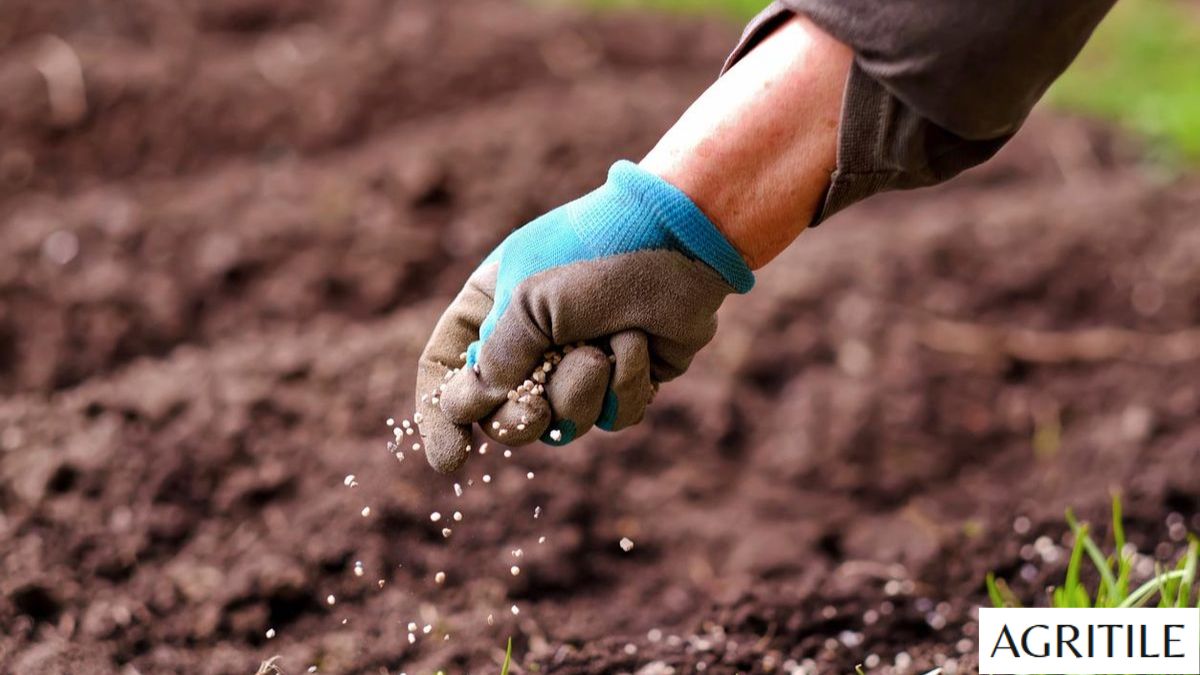
Mix the solution well to ensure the nutrients are evenly spread. Pour the liquid around the base of the plant, focusing on the “drip line” where the leaves end. This is where the most active roots are located. If you have a sprayer, you can also mist the leaves for a quick foliar boost. This is especially helpful during the flowering stage when the plant needs extra potassium.
Later, you should water the plant again with plain water. This helps the nutrients sink deeper into the soil where the roots can reach them. Avoid getting the fertilizer on the main trunk of the tree to prevent rot. Consistency is the most important part of this process. If you feed the tree every two weeks, you will see a massive difference in its size. It is a simple habit that pays off with big bunches of fruit.
Timing Your Fertilizer for Maximum Results
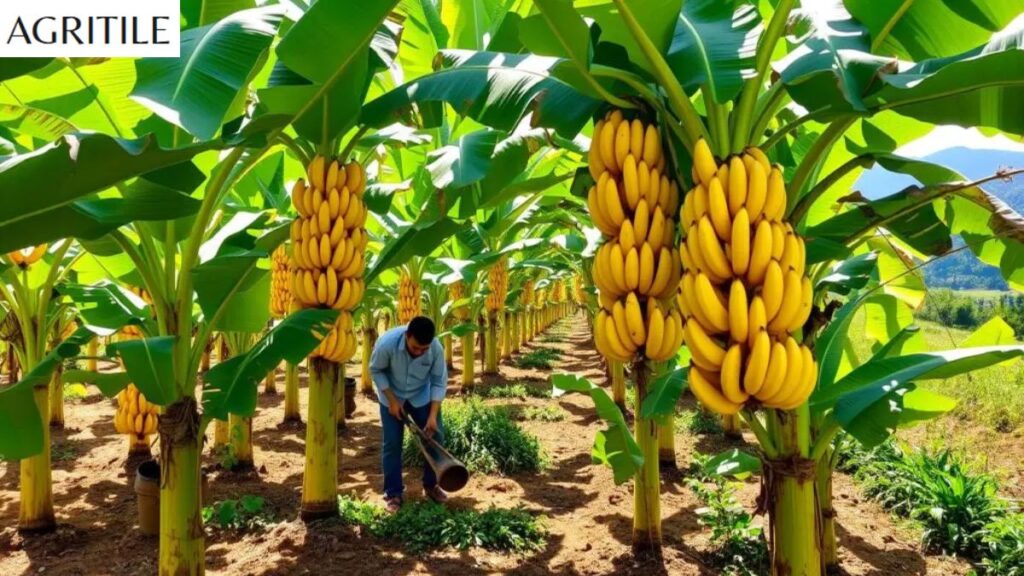
Banana trees do not eat the same amount of food all year round. In the spring and summer, they grow very fast and need a lot of fuel. You should provide a high-nitrogen liquid feed every 14 to 30 days during these warm months. This schedule supports the rapid production of those giant tropical leaves. If you miss a feeding, the growth might slow down significantly.
Once the weather turns cold in the autumn, you must change your plan. Banana trees grow much slower when temperatures drop below 60 degrees Fahrenheit. At that time, you should cut back or stop fertilizing entirely. Feeding a dormant tree can lead to salt buildup in the soil, which hurts the roots. Wait until the first signs of green appear in the spring to start your schedule again.
- Spring: Start regular feedings as soon as growth begins.
- Summer: Feed every 2 weeks for maximum fruit size.
- Autumn: Reduce the amount as the weather cools.
- Winter: Stop fertilizing until the spring return.
If you live in a tropical place where it is warm all year, you can keep feeding them. However, even there, the trees might have a slow period. Always watch the leaves for signs of hunger. If the new leaves are small or pale, it is time for another dose of the Best Liquid Fertilizer for Banana Plants for Faster Growth.
Which plants like banana fertilizer anyway?
You might have some leftover mix and wonder which plants like banana fertilizer. Because these formulas are high in potassium and phosphorus, they are great for most flowering plants. Tomatoes and peppers love the extra potassium because it helps them produce more fruit. Your roses and hydrangeas will also benefit from the boost, leading to bigger and brighter blooms.
Even indoor houseplants like the Peace Lily can enjoy a mild dose of this food. Just make sure the NPK ratio is not too aggressive for small pots. A balanced or potassium-heavy mix is generally safe for anything that produces flowers or fruit. On the contrary, avoid giving it to plants that prefer very acidic soil, like blueberries, unless you check the pH first. It is a versatile tool for any gardener’s shed.
Troubleshooting Common Growth Problems
Sometimes, even with the best food, your tree might look sick. If the older leaves start turning yellow at the edges, you likely have a potassium deficiency. This is a common problem because bananas use so much of this mineral. To fix this, apply a high-potassium liquid feed immediately. You can also add some wood ash to the soil for a natural boost.
If the new leaves are turning yellow but the old ones are fine, you might need more iron or zinc. These micronutrients are often missing from cheap fertilizers. Another issue is “root bound” plants in pots. If the roots have no more room, the tree will stop growing regardless of how much you feed it. In that case, move the tree to a bigger container and give it a fresh start with the Best Liquid Fertilizer for Banana Plants for Faster Growth.
FAQ’s
What is the best NPK ratio for bananas?
A balanced ratio like 8-10-10 or 10-10-10 is great for general health. For faster growth in summer, a 20-20-20 mix works well. When fruit appears, use a high-potassium formula like 10-8-20.
How often should I use liquid fertilizer?
During the active growing season, every two to four weeks is ideal. In cooler weather, you should reduce this to once a month or stop entirely.
Can I spray fertilizer on the leaves?
Yes, this is called foliar feeding and it works very fast. It is a great way to give the plant a quick boost of micronutrients.
Is it possible to over-fertilize a banana tree?
Absolutely, and it can be very dangerous for the plant. Too much fertilizer can burn the roots and kill the tree. Always follow the dilution instructions on the label.
Should I fertilize my banana tree in the winter?
No, it is best to stop or significantly reduce food in the winter. The tree grows slowly then and cannot use all the nutrients.
Why are my banana leaves turning yellow?
This is often a sign of magnesium or potassium deficiency. It could also mean you are over-watering or the plant is too cold.
Is organic fertilizer better than chemical?
Both have benefits. Organic options like compost or fish emulsion improve the soil over time. Chemical fertilizers give a much faster boost for growth and fruit.
Can I grow bananas in pots with liquid food?
Yes, and liquid fertilizer is actually the best choice for pots. It provides the constant stream of nutrients that container plants need.
What are the signs of potassium deficiency?
Look for yellowing and browning on the edges of the oldest leaves. You might also see small fruit or bunches that take too long to grow.
Concluding Words
Success with these tropical plants is not a matter of luck. It is a matter of providing the right nutrients at the right time. By choosing the Best Liquid Fertilizer for Banana Plants for Faster Growth, you give your garden the energy it needs to thrive.
Whether you use a commercial mix like Liquid Banana Fuel or a homemade fermented juice, the results will speak for themselves. Stay consistent with your feeding schedule and watch your trees reach for the sky. Happy gardening!