
Wheat is the most cultivated plant on the planet and provides a huge chunk of global food. Farmers across the world always look for new ways to get higher yields and better protein levels in their crops. In recent years, many growers have seen wheat yields go up while protein levels drop as low as ten percent. This drop in quality can reduce the crop value by close to one and a half dollars per bushel. Therefore, finding the right nutrient balance is vital for success.
Liquid options have become very popular because they are more accurate than solid versions. A liquid fertilizer can improve spreading accuracy worth fifteen pounds per hectare for winter wheat. Additionally, these products allow farmers to mix nutrients with some agrochemicals. This saves time plus it makes the farm more efficient. Many experts agree that the Best Liquid Fertilizer for Wheat to Boost Healthy Growth depends on your specific soil and weather.
- Liquid fertilizers are often more accurate and easier to apply than granular types.
- Foliar application of micronutrients can boost productivity by fifteen percent.
- Potassium helps wheat plants survive through periods of high heat stress.
What is the Best Liquid Fertilizer for Wheat to Boost Healthy Growth?
Farmers have several fluid nitrogen products to choose from for their fields. Urea ammonium nitrate, often called UAN, is the most common liquid nitrogen product on the market. It is a mix of urea and ammonium nitrate that provides both quick and long-lasting nutrition. However, UAN can be corrosive and might damage crops if the weather is too hot. On top of that, leaf burn is a real risk with this product.
Liquid urea is another top choice for those who want to avoid the risks of UAN. This water-based solution is less corrosive plus it carries a lower risk of leaf burn. Many growers even choose to produce their own liquid urea right on their farms. They prefer it because the plant takes it up more slowly, which maintains steady nitrogen levels. Therefore, it is a very appropriate liquid fertilizer for many regions.
Another specialized option is High NRG-N. This product is formulated to minimize nitrogen loss and improve how plants take in nutrients. It contains several forms of nitrogen and sulfur plus trace amounts of elements like iron and zinc. Though it costs about twenty-five percent more than other options, it often results in higher yields. This makes it a strong contender for the Best Liquid Fertilizer for Wheat to Boost Healthy Growth.
The Importance of Micronutrients in Wheat Nutrition
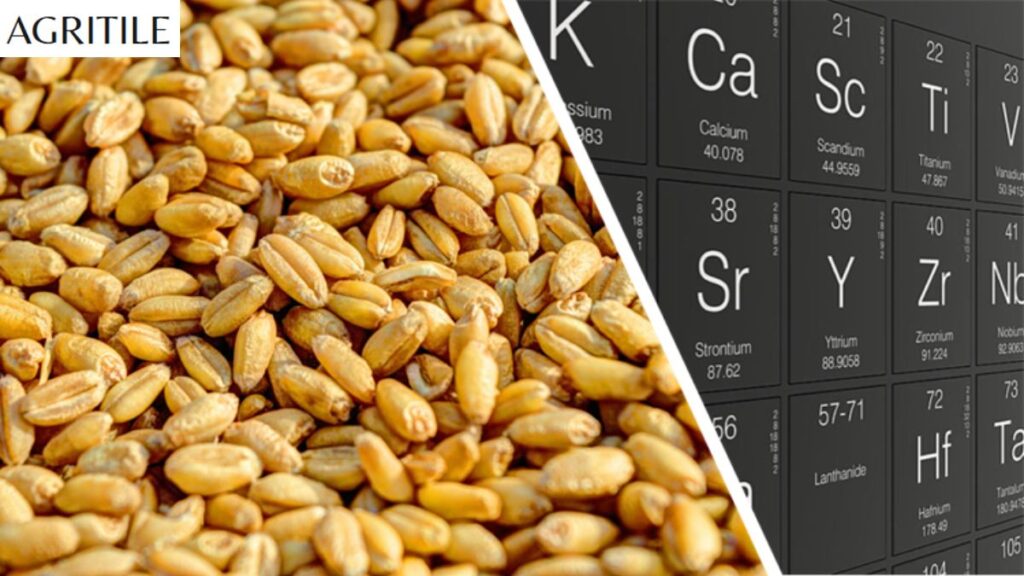
Plants need sixteen essential mineral elements to grow well. They get some from the air and water, but they get the rest from the soil. A lack of even one nutrient can hurt the health of the plant. Additionally, micronutrients like iron, magnesium, and zinc play huge roles in photosynthesis. Iron is important for respiration. Magnesium is a central part of chlorophyll.
| Micronutrient | Main Role in Wheat | Effect of Deficiency |
| Iron (Fe) | Respiration and Photosynthesis | Reduced growth and health |
| Magnesium (Mg) | Chlorophyll component | Poor photosynthesis |
| Zinc (Zn) | Growth and frost resistance | Chlorosis and lower quality |
| Boron (B) | Flowering and seed production | Poor seed set |
Zinc is indispensable for wheat because it activates growth processes. It also helps the plant stay strong during drought or frost. A lack of zinc leads to lower production plus it degrades the grain quality. Similarly, boron is vital for pollen viability and fruiting. Without these tiny but mighty elements, your crop will not reach its full genetic potential.
Does Wheat Need Fertilizer?
Every farmer asks this question at some point. The answer is a big yes because the soil often lacks enough nutrients for high-production wheat. Currently, mineral fertilizers provide fifty percent of the food produced across the globe. In 1960, one hectare of land fed two people. By 2025, that same hectare must feed five people. Therefore, we must use fertilizers to increase yields and quality.
Wheat reacts very positively to fertilization. It is a highly responsive crop, especially to nitrogen and phosphorus. First of all, starter fertilizers help roots develop better. Later, they help the plant produce more fall tillers. Winterkill is also reduced when you use the right amount of phosphorus in the furrow. Plus, liquid options make these nutrients more available to the plant.
What Fertilizer is Best for Wheat During Heat Stress?
Heat stress is a major threat to wheat during the reproductive and grain-filling phases. High temperatures can lower flag leaf photosynthesis by thirty-seven percent. However, potassium application can help protect the plant cells. Potassium is relatively immobile in the soil plus it moves slowly to the roots. Therefore, a foliar spray is often better than soil application during stress.
Foliar spray of potassium activates the defense system of the wheat plant. It protects the cellular membranes from oxidative damage. K-treated plants showed a nineteen percent higher grain weight under heat stress. Also, it helps the plant maintain its photosynthesis levels. This makes potassium the Best Liquid Fertilizer for Wheat to Boost Healthy Growth when the sun is scorching your fields.
Step-by-Step: How to Apply Foliar Liquid Fertilizer

- Analyze your soil first. You must know which nutrients are missing before you spray.
- Choose the right product. Pick between UAN, liquid urea, or specialized blends like High NRG-N.
- Prepare the solution. Mix your liquid fertilizer with water to the correct ratio, such as a fifty-fifty mix.
- Pick the perfect time. Spray in the early morning or evening when humidity is high and temperatures are low.
- Use the correct equipment. Apply the fertilizer using an ATV-mounted sprayer or a boom sprayer for accuracy.
Following these steps ensures that your plants get the nutrients they need without getting hurt. First of all, the absorption rate is much higher when you spray the leaves directly. Later, you will see visible effects in a very short time. On top of that, it is an easy way to correct a sudden deficiency. Gradually, your crop will look greener and healthier.
What Fertilizer for Wheat Boosts Protein?
High protein levels are essential for getting the best price for your wheat. To increase protein, you should choose varieties that are known for high quality. Then, you must fertilize them adequately with nitrogen. In many studies, UAN resulted in the greatest protein percentage. However, the grower must weigh this against the risk of crop damage.
| Wheat Variety | Typical Yield | Typical Protein |
| Lillian | Lower | Higher |
| Goodeve VB | Moderate | Moderate |
| Shaw VB | Higher | Lower |
Wait until the late flag leaf to early heading stage to apply nitrogen for a protein boost. Use a dribble-band method for UAN application at this time. Additionally, some trials show that liquid urea also performs well for protein production. No advantage was found for controlled-release fertilizers over simple urea in some cases. Therefore, regular nitrogen application remains a top strategy.
Tips and Tricks for Using Liquid Carriers with Herbicides
Mixing herbicides with liquid fertilizer is a great way to save a trip across the field. UAN is a common carrier for many herbicide sprays. However, you should not use more than a fifty-fifty water to UAN ratio. Also, some herbicides like 2,4-D amine are difficult to mix in UAN. Use 2,4-D ester instead at a rate of one pint per acre.
The risk of leaf burn increases if you spray during hot and humid days. To minimize this risk, do not apply more than twenty pounds of nitrogen per acre when using a surfactant with herbicide. If you do not use a surfactant, you can go up to forty pounds of nitrogen. Late afternoon applications carry much less risk of leaf burn. Plus, always add your herbicide to the water before adding the liquid nitrogen.
Why Accuracy Matters for Healthy Growth

Liquid fertilizers offer a level of precision that granules just cannot match. You get the correct amount of nutrients across the full width of the boom. This reduces overlaps plus it saves money. At the field margins, you can farm right to the edge of the crop and no further. This level of control is essential for the Best Liquid Fertilizer for Wheat to Boost Healthy Growth.
Poor quality solid fertilizer or bad spreading conditions can cause big financial losses. These losses can reach forty pounds per hectare. On the contrary, liquid systems remain accurate even at wide bout widths. Farmers who upgrade to liquid systems often see a quick return on their investment. Therefore, accuracy is not just about health; it is about your bottom line.
Managing Growth with Starter Fertilizers
Starter fertilizer gives wheat a strong start right at the beginning. Nitrogen and phosphorus applied in-furrow are very effective. This practice leads to better root development. Additionally, it increases the number of fall tillers. A strong root system is the first step toward the Best Liquid Fertilizer for Wheat to Boost Healthy Growth.
Starter fertilizers are especially important in soils that test low for phosphorus. They help the crop survive through a tough winter. Though you can apply all your phosphorus this way, even a small amount helps. This early boost sets the stage for everything that happens later in the season. Plus, it makes the plants more resilient to stress.
FAQ’s
What is the most common liquid nitrogen fertilizer?
UAN is the most widely used liquid nitrogen product in the world. It contains urea and ammonium nitrate. This mix provides both quick and long-lasting supplies of nutrients to the wheat. It is a non-pressurized solution.
Can I mix herbicides with my liquid fertilizer?
Yes, liquid UAN is a common carrier for many herbicides. However, you must follow specific mixing rules to avoid crop injury. Always read the label of your herbicide first. Some mixes require specific adjuvants like nonionic surfactants.
How does potassium help wheat during a heatwave?
Potassium protects the cellular organelles from heat injury. It also restores leaf chlorophyll plus it maintains photosynthesis. K-treated plants have much less flag leaf senescence during heat stress. This leads to a higher grain weight.
Is foliar application better than soil application?
Foliar application is more efficient for some nutrients because of the higher absorption rate. It is an easy way to correct a deficiency quickly. This method also helps plants survive through stress periods like drought. Plus, it ensures a faster supply of needed nutrients.
What elements help build chlorophyll?
Iron, magnesium, manganese, and zinc are vital for building chlorophyll. Magnesium is particularly important as a central ion in the chlorophyll molecule. Zinc is required for many enzymes and proteins. Manganese is involved in metabolism.
Why is spread accuracy important?
Accuracy ensures that every part of the field gets the right amount of food. It reduces overlaps and saves on costs. Liquid fertilizers are more accurate than solid ones across wide boom widths. This precision can be worth fifteen to forty pounds per hectare.
When should I apply fertilizer for grain protein?
The best time for a protein boost is the late flag leaf to early heading stage. Nitrogen applied at this time increases the protein percentage in the grains. Dribble-band UAN is a standard method for this application. Variety choice also plays a huge role in final protein levels.
Does phosphorus help with winterkill?
Yes, starter phosphorus helps wheat plants survive the winter. It is especially helpful in soils that are low in phosphorus. This nutrient encourages better root growth. Plus, it increases fall tillers.
What is High NRG-N?
It is a specialized liquid fertilizer designed to reduce nitrogen loss. It contains several forms of nitrogen and sulfur plus trace elements. Though more expensive, it often results in superior nitrogen use efficiency. It is less corrosive than UAN.
How do I avoid leaf burn when spraying?
Avoid spraying on hot and humid days. Late afternoon is the safest time to apply liquid nitrogen. Also, do not use too much nitrogen in your spray mix. Plus, follow all guidelines for surfactants and other adjuvants.
Concluding Words
Choosing the Best Liquid Fertilizer for Wheat to Boost Healthy Growth requires careful planning and the right products. Liquid urea and UAN are both excellent choices depending on your farm’s needs and weather conditions. Foliar sprays of micronutrients like zinc and iron can increase your productivity by fifteen percent. Additionally, potassium is a lifesaver for crops facing high heat stress.
Accuracy is the biggest benefit of liquid systems. You save money by not overlapping plus you ensure every plant gets exactly what it needs. Always consider the timing of your application to maximize both yield and protein. Starter fertilizers in the furrow give your wheat the strong root system it needs from day one. Stick to these proven methods for a healthy and profitable harvest.