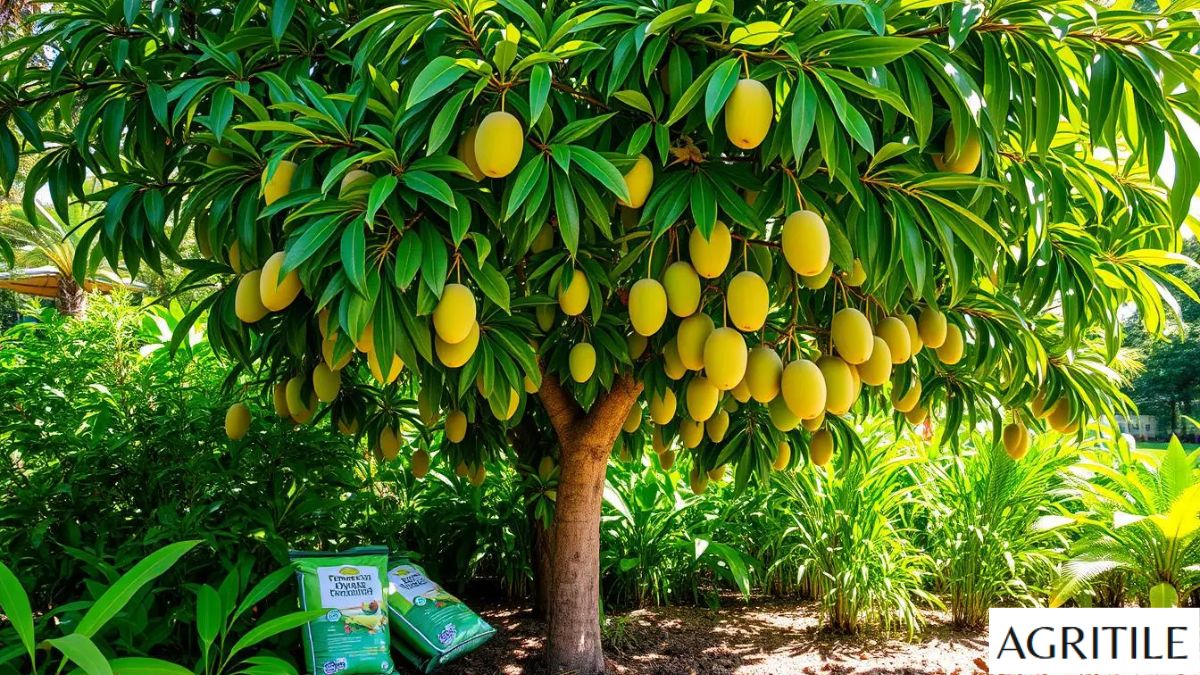
Mango trees are the true kings of any backyard or farm. They provide shade and the most delicious fruit on the planet. Many people wonder if they should feed their trees to get a better harvest. Most of the time, the answer is a big yes. Do mango trees need fertilizer? Absolutely. These trees are heavy feeders, especially when they start to flower and make fruit. If you give them the right food, they will grow much faster and stay healthy. Poor nutrition often leads to weak flowers or tiny fruits that fall off too early.
This guide focuses on the Best Liquid Fertilizer for Mango Trees for Faster Growth. Liquid options are great because the tree can drink them up through the roots or leaves almost instantly. This speed is very helpful during critical times like just before the flowers bloom or when the fruit starts to size up. You will learn about NPK ratios, micro-nutrients, and the best time to spray. On top of that, we will look at how bio-fertilizers can make your soil better for the long haul. Our goal is to help you grow the biggest and sweetest mangoes ever.
- Liquid fertilizers work much faster than granules because they are easy for the tree to absorb through its leaves and roots.
- A balanced NPK mix like 20-20-20 or 8-3-9 is often the best choice for both young and old trees.
- You must not forget micro-nutrients like zinc, boron, and iron to prevent yellow leaves and fruit drop.
Why Fertilizer Matters for Your Mango Orchard
Mango trees are very hungry plants. They need a lot of energy to build those heavy fruits we love. Without proper food, a tree might only produce a few mangoes every other year. What fertilizer is good for mango trees is a question that depends on the age of your tree. Younger trees need more nitrogen to grow leaves and branches fast. Older trees need more potassium to make the fruit sweet and large.
Additionally, the soil might not have everything the tree needs. Some soils are missing tiny but vital elements. First of all, you should check your soil pH. Mangoes like it a bit acidic, between 5.5 and 7.5. If the soil is too alkaline, the tree cannot take up iron, and the leaves will turn yellow. Therefore, a regular feeding plan is the only way to ensure a big harvest.
The Benefits of Liquid Fertilizer for Rapid Development
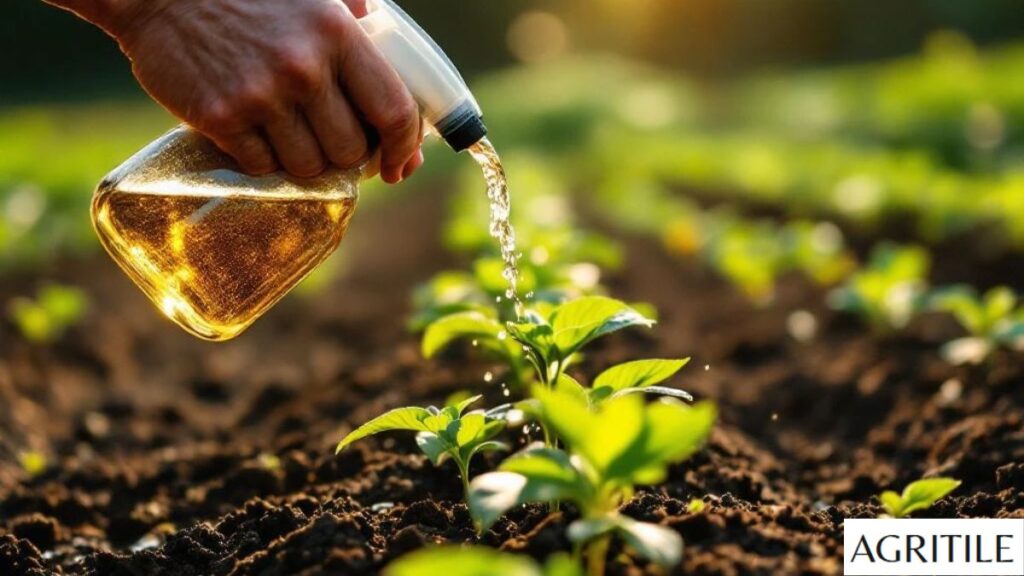
Many farmers ask what is the best liquid fertilizer for fruit trees. Liquid products are a favorite because they offer precision. You can mix exactly what you need and apply it right where it counts. Plus, liquid feeding allows for foliar application. This means you spray the leaves directly. The tree takes in the nutrients much faster this way than waiting for rain to wash granules into the soil.
Though granules are good for long-term feeding, liquids are the Best Liquid Fertilizer for Mango Trees for Faster Growth when you need quick results. For example, if you see your tree is struggling during the bloom stage, a quick spray can save the season. It gives the tree an instant energy boost. Similarly, container-grown mangoes thrive on liquid feeds because their root space is so small.
Understanding NPK Ratios for the Best Results
You have likely seen numbers on fertilizer bags like 10-10-10 or 20-20-20. These represent Nitrogen, Phosphorus, and Potassium. Each one does a different job for your mango tree. Nitrogen helps the tree stay green and grow tall. Phosphorus is the key to strong roots and lots of flowers. Potassium is the star for fruit quality, making mangoes bigger and tastier.
Common NPK Ratios for Mangoes
| Tree Age | Recommended NPK | Purpose |
| 1-3 Years | 10-10-10 or 8-3-9 | Foliage and branch growth |
| Mature (Fruiting) | 8-3-9 or 0-0-50 | Flower and fruit production |
| Any Age (Boost) | 20-20-20 | General health and rapid growth |
For a young tree, you want a balanced mix to build a strong frame. However, as the tree gets older, you should shift toward more potassium. This shift helps the tree focus on fruit rather than just making more leaves. Some growers even use 0-0-50, which is pure potassium, during the peak fruiting time.
Why Your Tree Needs Micro-Nutrients Too
Macronutrients like NPK are the main meal, but micro-nutrients are like vitamins. Your tree only needs a little bit, but they are super important. Zinc and boron are two of the biggest players here. Zinc helps the tree grow new shoots and flowers. Boron is critical for carbohydrate movement and prevents fruit from cracking.
On top of that, copper and iron keep the tree healthy. A copper deficiency can cause the top branches to die back. If you see yellow leaves with green veins, your tree is likely hungry for iron. Using a product like Chelated Liquid Iron can fix this yellowing very quickly. It is one part of the Best Liquid Fertilizer for Mango Trees for Faster Growth strategy.
How to Apply Foliar Sprays Step by Step
Foliar feeding is a great trick for any gardener. It is the practice of spraying liquid nutrients directly onto the leaves. The tree absorbs these through tiny pores. This method is very effective when the soil is too dry or too cold for the roots to work well. To get the best results, you must follow a few simple rules.
- Check the weather: Do not spray in the direct sun or on a very hot day. The leaves might burn.
- Pick the right time: The best time is early morning or late afternoon.
- Mix carefully: Use the recommended dose. For example, many experts suggest a 2% to 3% solution for potassium nitrate.
- Coat everything: Spray both sides of the leaves, the trunk, and all the branches.
- Use a ladder: Make sure you reach the top branches first and then work your way down.
Gradually, you will see the tree respond. If you use potassium nitrate, flower buds might even appear in just two weeks. But remember, do not spray if rain is expected within six hours. The rain will just wash your hard work away.
The Power of Bio-fertilizers and Biostimulants
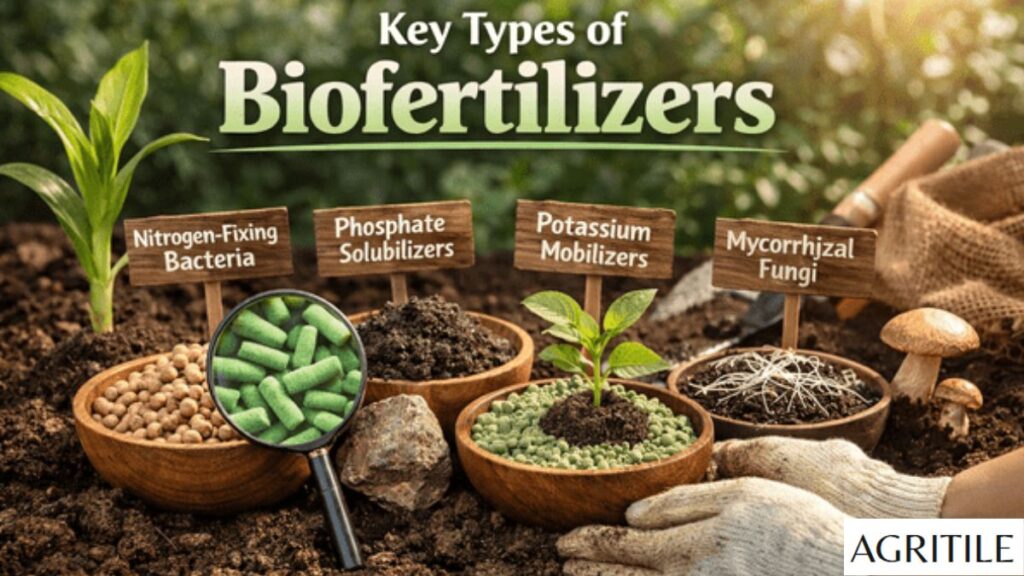
If you want to be more eco-friendly, bio-fertilizers are a fantastic choice. These are living tiny organisms that help the soil. For instance, VAM (Vesicular Arbuscular Mycorrhizae) is a fungus that helps roots soak up more water and phosphorus. Also, a Bio NPK consortium can help the tree use the nitrogen already in the air.
Biostimulants like seaweed extract are also part of the Best Liquid Fertilizer for Mango Trees for Faster Growth. Seaweed is packed with natural growth hormones like cytokinins. It helps the tree handle stress from heat or drought. One study found that spraying 1% seaweed extract at a low pH of 4.5 greatly increased the number of fruits a tree could hold.
Managing Your Fertilizer Schedule Through the Year
A good plan is the secret to a great harvest. You cannot just throw fertilizer whenever you feel like it. First of all, start in the spring as the flowers begin to show. This is when the tree needs a lot of energy. Later, give another feed in early summer to support the growing fruit.
Fertilizer Dosage by Year (Grams per Tree)
| Tree Age | Nitrogen (N) | Phosphorus (P) | Potassium (K) |
| 1 Year | 200g | 200g | 300g |
| 2 Years | 400g | 400g | 600g |
| 6+ Years | 1.0kg | 1.0kg | 1.5kg |
After you harvest the mangoes, the tree is tired. This is the time for a final feed to help the roots recover and prepare for next year. In most places, this happens around February or March. Finally, avoid heavy feeding in the winter when the tree is resting.
Avoiding the Dangers of Over-Fertilization
More is not always better. If you give too much nitrogen, the tree will grow a lot of leaves but zero fruit. On top of that, too much fertilizer can burn the roots. This leads to brown, crispy edges on the leaves. Always follow the label on the bottle.
Additionally, too much fertilizer can lead to soft growth that is easy for pests to attack. Similarly, salt can build up in the soil over time. Therefore, it is wise to occasionally water the tree deeply without any fertilizer to wash away those salts. Balance is the most important part of finding the Best Liquid Fertilizer for Mango Trees for Faster Growth.
Tips and Tricks for Professional Results
Every expert has a few secrets. One big one is the use of potassium nitrate to make the tree flower every single year. Normally, some mangoes only produce fruit every other year. However, a 2.5% spray of potassium nitrate can trick the tree into flowering annually. Plus, it increases the total number of flowers.
Another tip is to apply your liquid feed to the “drip line.” This is the area on the ground directly under the outer edge of the leaves. Most of the tree’s hungry feeder roots are located there. Do not pour fertilizer right against the trunk. This can rot the wood and waste the nutrients.
FAQ’s
What fertilizer for mango trees is the most effective for fruit?
Potassium-rich fertilizers are the best for fruit quality. Look for a liquid with a high third number, like 8-3-9 or even 0-0-50. This helps the fruit get big and sweet.
Best Liquid Fertilizer for Mango Trees for young plants?
Young trees need a balanced NPK mix like 10-10-10 or 20-20-20 to grow leaves and roots. Liquid fish emulsion is also a great organic choice for early growth.
Do mango trees need fertilizer in the winter?
Generally, no. Mango trees go into a rest phase during the winter. Feeding them then can cause weak growth that might get damaged by cold or fungus.
What fertilizer is good for mango trees that have yellow leaves?
Yellow leaves often mean the tree needs iron or zinc. A liquid chelated iron spray can fix this quickly. Use it once a month until the leaves turn dark green again.
What is the best liquid fertilizer for fruit trees grown in pots?
Potted trees need frequent but light feeding. A diluted 20-20-20 liquid fertilizer every 2-3 weeks during the growing season works wonders.
How do I apply potassium nitrate for flowering?
Mix about 6.5 tablespoons of potassium nitrate in 5 liters of water with a little soap. Spray this on 4-to-9-month-old branches before the flowering season starts.
Can I use seaweed extract on my mango tree?
Yes, seaweed is a great biostimulant. It helps with fruit set and stress resistance. Spraying a 1% solution at the flowering and marble stage is very effective.
Why is my mango tree not flowering?
This often happens because of too much nitrogen or not enough potassium and phosphorus. Stop using high-nitrogen food and switch to a high-potassium liquid spray.
What is the “marble stage” in mango growth?
This is when the tiny fruits are about the size of a marble. It is a critical time for a second round of foliar feeding to make sure the fruit stays on the tree.
Is organic liquid fertilizer better than synthetic?
Both have pros and cons. Organics like fish emulsion or kelp improve soil health over time. Synthetics like 20-20-20 give a faster boost for growth and fruit size.
Concluding Words
Feeding your trees is the best way to ensure a massive, sweet harvest every year. The Best Liquid Fertilizer for Mango Trees for Faster Growth is a mix of balanced NPK, essential micro-nutrients like zinc and iron, and perhaps a boost from seaweed or bio-fertilizers. Liquid options are truly the fastest way to get results because the tree absorbs them so easily.
By following a steady schedule and spraying at the right times, like the flowering and marble stages, you can transform your orchard. Always remember to watch the weather and avoid over-feeding to keep your trees happy and strong. Happy growing to all you fellow mango lovers out there.