Best Liquid Fertilizer for Blueberries for Bigger Harvests is the goal for every serious grower. You might think that any old plant food will work for your bushes. However, blueberries are very picky about their diet and the soil they live in. I once saw a grower get only eleven tiny berries from three whole plants because the soil pH was far too high.
It is a sad sight when you put in all that work but get almost nothing back. Later, that same grower switched to the right liquid nutrients and the harvest jumped to over one hundred and twenty berries. That is a massive change just from fixing the food source.
- Soil pH is everything: You must keep the soil between 4.5 and 5.5 or the plant cannot absorb iron and other minerals.
- Ammonium is the winner: Always use ammonium-based nitrogen because it keeps the soil acidic, while nitrate-based types make it alkaline.
- Consistency brings fruit: Regular liquid feeding every two to three weeks during the growing season leads to much bigger yields than one-off feedings.
What is the Best Liquid Fertilizer for Blueberries for Bigger Harvests?
When we talk about the Best Liquid Fertilizer for Blueberries for Bigger Harvests, we mean a mix that feeds the plant and keeps the ground sour. Blueberries are not like your tomatoes or your lawn. They really want ammonium sulfate or urea because these forms of nitrogen lower the pH. On the contrary, if you use something like calcium nitrate, you might actually kill the plant over time. It is also important to look for a low phosphorus count. High phosphorus can actually stop the plant from taking in iron.
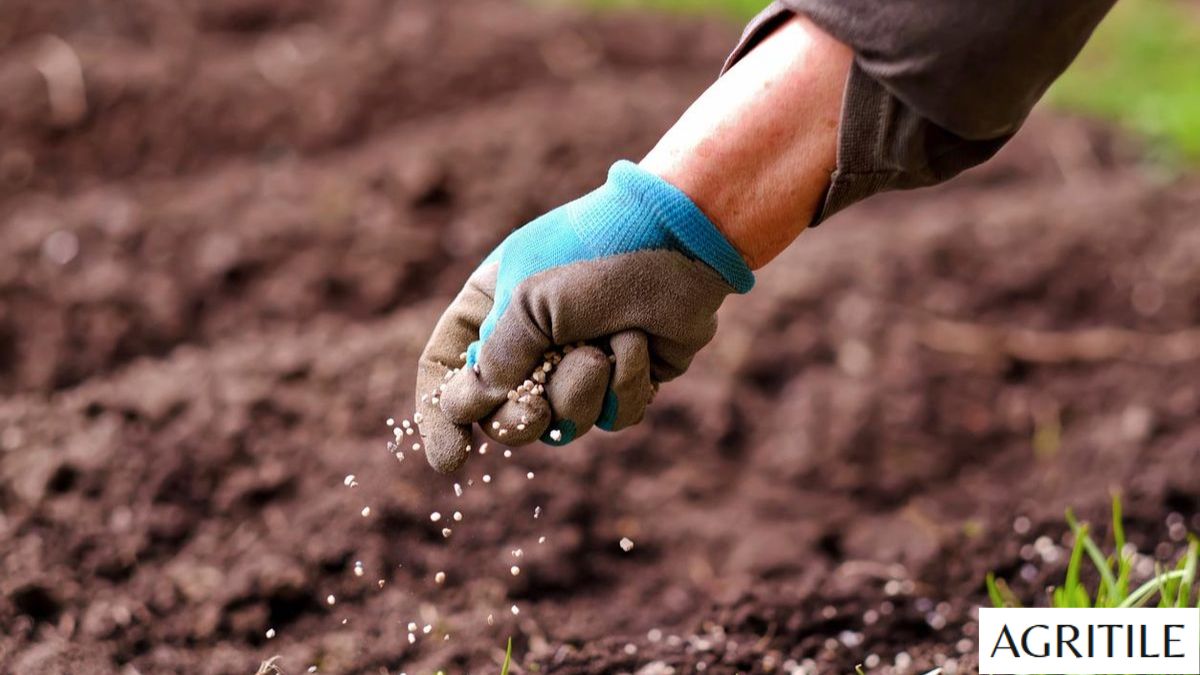
Many experts find that liquid feeding through a drip system, which people call fertigation, is the top way to go. In fact, studies show that bushes fed this way can yield 12% to 40% more fruit than those given dry granular food. That is a huge difference for a commercial farmer or a home gardener. Plus, liquid food goes right to the roots. There is no waiting for rain to wash the pellets down. Therefore, your plants get a boost almost the second you finish watering.
| Fertilizer Type | Best Use Case | Main Benefit |
| Ammonium Sulfate Liquid | High pH soil rescue | Lowers pH very quickly |
| Fish & Seaweed Blend | Organic gardening | Provides many micro-nutrients |
| Specialty NPK (20-20-20) | Regular maintenance | Balanced growth for green leaves |
The table above shows that your choice depends on what your garden needs right now. If your leaves are yellow, you might need a fast rescue. If you want to stay natural, the fish blend is amazing.
The Importance of Using Liquid Feed Over Dry Pellets
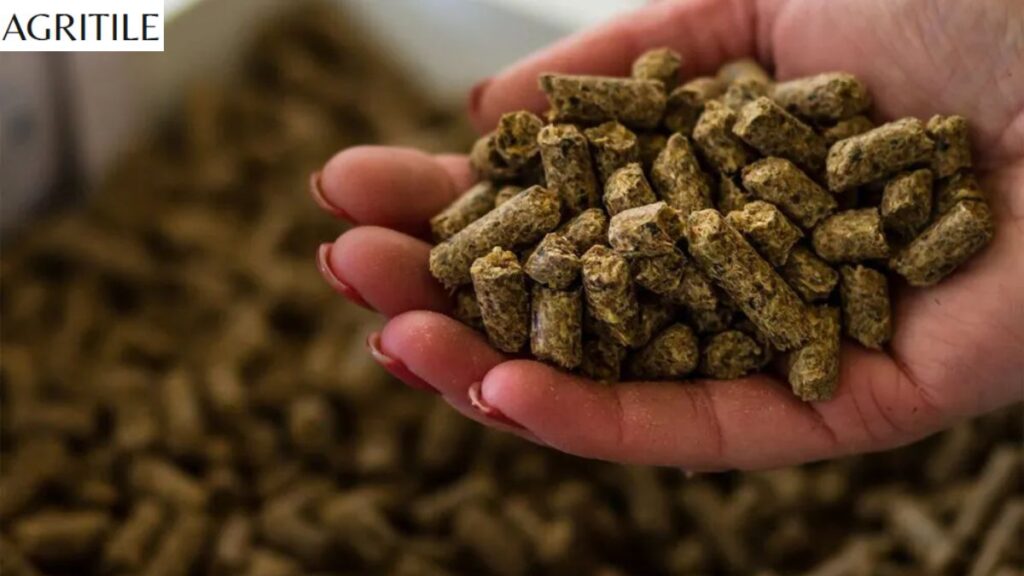
Why should you care about liquid feed? First of all, blueberries have very fine, hair-like roots. These roots are quite sensitive. Dry granules can sometimes be too strong and “burn” these delicate roots if you are not careful. On top of that, liquid fertilizer spreads out more evenly in the soil. This means every part of the root system gets a little bit of food. Similarly, if you grow your berries in pots, liquid is the only way to go. Nutrients wash out of pots every time you water, so you must replace them often.
You also get much better control with a liquid. You can dilute it if the weather is hot or if the plant looks stressed. Additionally, research shows that plants often grow larger when they get small, weekly doses of liquid nitrogen. This mimics how nature works. It is much better than giving the plant a giant “meal” once a month and then nothing in between. Therefore, you should consider a drip system or a simple watering can for your routine.
Why Soil pH Dictates Your Harvest Success
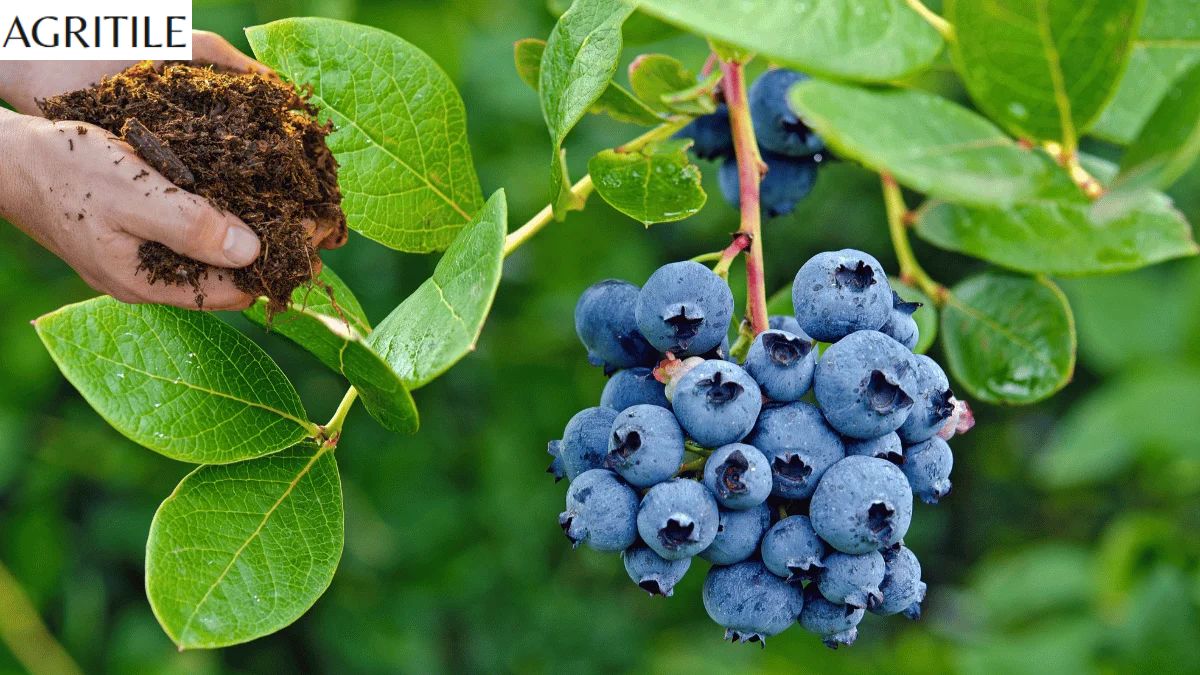
You can buy the most expensive bottle of plant food in the world, but it will not matter if your pH is wrong. This is the biggest mistake I see. Most garden soil is around 6.5, which is way too high for a blueberry. When the pH is high, the plant cannot “unlock” the iron in the soil. You will see the leaves turn yellow while the veins stay green. This is called iron chlorosis. It is a sign that your plant is literally starving for minerals.
| pH Level | Plant Health Status | Action Needed |
| 4.5 – 5.5 | Ideal Zone | Keep doing what you are doing |
| 5.6 – 6.0 | Warning Zone | Add sulfur or acid-forming liquid feed |
| Above 6.0 | Danger Zone | Use chelated iron spray and acidify now |
As shown in the table, you must be a bit of a scientist. A simple $12 meter from the store can save your whole crop. Jamie Reyes, a garden specialist, says that the meter is more valuable than any brand of fertilizer. I totally agree with that. You should test your soil at least twice a year. If you find the pH is creeping up, use an acid-forming liquid feed to pull it back down.
How to Choose Best Liquid Fertilizer for Blueberries for Bigger Harvests
Selecting the right product is easier when you know what to look for on the label. First, check the nitrogen source. You want to see “ammonium sulfate” or “urea”. Stay away from anything that says “nitrate”. Second, look for added minerals like iron, magnesium, and manganese. These are vital for those acid-loving plants. CompleteGrow suggests an NPK of 20-20-20 for general growth or a 4-18-38 mix for when the flowers and berries start to show.
You might also wonder, what is the best liquid fertilizer for fruit trees? While many fruit trees like a balanced mix, blueberries are special. They need that extra acidity. However, a good liquid acid fertilizer for azaleas or camellias often works perfectly for berries too. They are all part of the same family. Just make sure you do not use lawn fertilizer. That stuff is usually way too high in nitrogen and will make the plant grow leaves but zero fruit.
Step-by-Step: Mixing Your Own Organic Liquid Feed
If you like to do things yourself, you can make a “working solution” at home. This recipe comes from a pro grower and uses only three simple things. It is great because it is organic and very cheap over time. Plus, it smells a bit like the ocean, which is kind of fun.
- Gather your tools: Get a big white bucket with gallon markings.
- Add the water: Fill the bucket about two-thirds full with clean water.
- Mix the molasses: Add blackstrap molasses first. It is thick and slow to dissolve, so give it a good stir.
- Add the seaweed: Shake the seaweed fertilizer bottle well and pour it in.
- Add the fish: Pour in the fish fertilizer last. It is oily and smells, so be careful not to splash it on your clothes.
- Top it off: Add more water until you hit your target volume.
- Final stir: Mix it one last time to make sure the molasses is not stuck at the bottom.
Later, you just pour this mix into a watering can and head out to the garden. Use this every two weeks from the time flowers fall off until the end of August. Do not use it in the winter. The plants are sleeping then and cannot drink it.
Tips and Tricks for Professional Level Berry Results

First of all, always water your plants the day before you fertilize. Dry soil can be a shock to the roots when you add nutrients. Wet soil helps the liquid travel down deep where the roots actually live. Also, never pour the fertilizer right against the main stem. The crown of the plant is sensitive and can burn. Instead, pour it in a circle around the “drip line” of the leaves.
On top of that, consider using mulch to help your liquid feed work better. Pine bark or pine needles are excellent. They break down slowly and help keep the top layer of soil acidic. Plus, they keep the roots cool in the summer heat. Another pro trick is to use a “foliar spray” if the leaves look yellow. You spray a weak mix of chelated iron directly on the leaves. The plant absorbs it almost instantly. This is a great “emergency” move while you wait for the soil pH to fix itself.
Avoiding the Biggest Mistakes That Kill Your Berry Harvest
The number one killer is over-fertilizing. You might think more food equals more berries. On the contrary, too much nitrogen will give you a giant green bush with zero fruit. Additionally, excess salts can build up and make the leaf tips turn brown and crispy. If you see a white crust on the soil, you have gone too far. Flush the soil with lots of plain water to wash those salts away.
Another common error is feeding too late in the year. You should stop all fertilizer by the end of July or early August. If you feed in September, the plant will start growing soft, new leaves. These leaves will freeze and die when the first frost hits, which wastes the plant’s energy. Finally, do not use coffee grounds as your only food source. While they are a bit acidic, they can get packed down and block air from the roots. Use them as a small snack, not the main meal.
What kind of fertilizer to put on blueberries for specific stages
During the early spring, your bushes need nitrogen to build strong branches. This is when the Best Liquid Fertilizer for Blueberries for Bigger Harvests should be higher in that first NPK number. However, once you see those little white flowers, you should switch to something with more potassium. Potassium is what makes the berries sweet and firm. It also helps the plant fight off diseases.
If you are wondering whats the best fertilizer for blueberries in pots, the answer is a very dilute liquid every two weeks. Containers are small worlds. They do not have the “buffer” of the big earth. One wrong move can change the pH in a few hours. Therefore, always use half the strength the bottle recommends for pots. It is much safer to under-feed than to over-feed. You can always add more later if the plant looks hungry.
FAQ’s
Can I use vinegar to lower the soil pH for my blueberries?
Yes, you can use a little bit of vinegar mixed with water as a quick fix. However, it does not last very long in the soil. It is better to use a liquid fertilizer that is naturally acid-forming like ammonium sulfate. This keeps the pH stable for a longer time. Always test the soil before and after you try this.
Why are the leaves on my blueberry bush turning yellow?
This is usually a sign of high soil pH, which leads to iron deficiency. You will notice the veins stay green while the rest of the leaf turns pale. First, check your soil pH with a meter. If it is above 5.5, you need to add an acidifier or a specialty liquid feed for acid-loving plants.
How often should I apply liquid fertilizer to my berries?
For the best results, apply a liquid feed every two to three weeks during the growing season. Start when you see the first green buds in spring and stop by the end of July. Regular, small doses are much better for the plant than one big dose. This keeps the nutrient levels steady.
Is coffee ground good for blueberry plants?
Coffee grounds are a decent organic supplement because they are slightly acidic. However, they are not a complete fertilizer. They lack the high levels of nitrogen and potassium your plants need for a big harvest. Also, they can form a crust on top of the soil that stops water from getting through. Mix them in sparingly.
What is the best time of day to fertilize?
The best time is early morning or late evening. Do not fertilize in the middle of a hot, sunny day. The sun can dry out the liquid too fast and cause “leaf scorch” if any drops get on the foliage. Morning is great because the plant is waking up and ready to drink.
Can I use regular “All-Purpose” fertilizer?
You should avoid regular fertilizers if they are not made for acid-loving plants. Most all-purpose foods are pH-neutral or even a bit alkaline. This will slowly raise the pH of your soil and starve your blueberries. Always look for the words “Ericaceous” or “Acid-Loving” on the label.
Should I fertilize my blueberries in the winter?
No, you should never fertilize in the winter. Blueberries go dormant and stop growing when it gets cold. They cannot absorb the nutrients, so the fertilizer will just wash away and waste your money. Wait until you see new green growth in the spring to start your feeding routine.
How much water should I use with liquid fertilizer?
Always follow the instructions on the bottle. For berries in pots, it is often smart to use half the recommended strength to avoid salt buildup. Make sure you water the soil thoroughly so the liquid reaches the entire root zone. The soil should be moist but not a muddy mess.
Can liquid fertilizer increase the size of my berries?
Yes, the right balance of nutrients, especially potassium, can lead to bigger and sweeter fruit. Liquid fertilizers are very efficient, so the plant gets exactly what it needs right when the berries are growing. Just be careful not to add too much nitrogen during fruiting, or you will get more leaves than berries.
Concluding Words
Finding the Best Liquid Fertilizer for Blueberries for Bigger Harvests is a journey of understanding your soil. You must remember that these plants are unique and need an acidic home to thrive. By using liquid feeds like ammonium sulfate or organic fish blends, you give your bushes a huge advantage. You will see more growth, greener leaves, and most importantly, a massive pile of sweet berries at harvest time.
Always keep an eye on your soil pH and do not be afraid to adjust your routine as the season changes. A little bit of care every few weeks goes a long way. Stick to the schedule, avoid those late-season feedings, and treat your plants like the acid-lovers they are. Your reward will be the Best Liquid Fertilizer for Blueberries for Bigger Harvests results you have ever seen. Happy gardening!