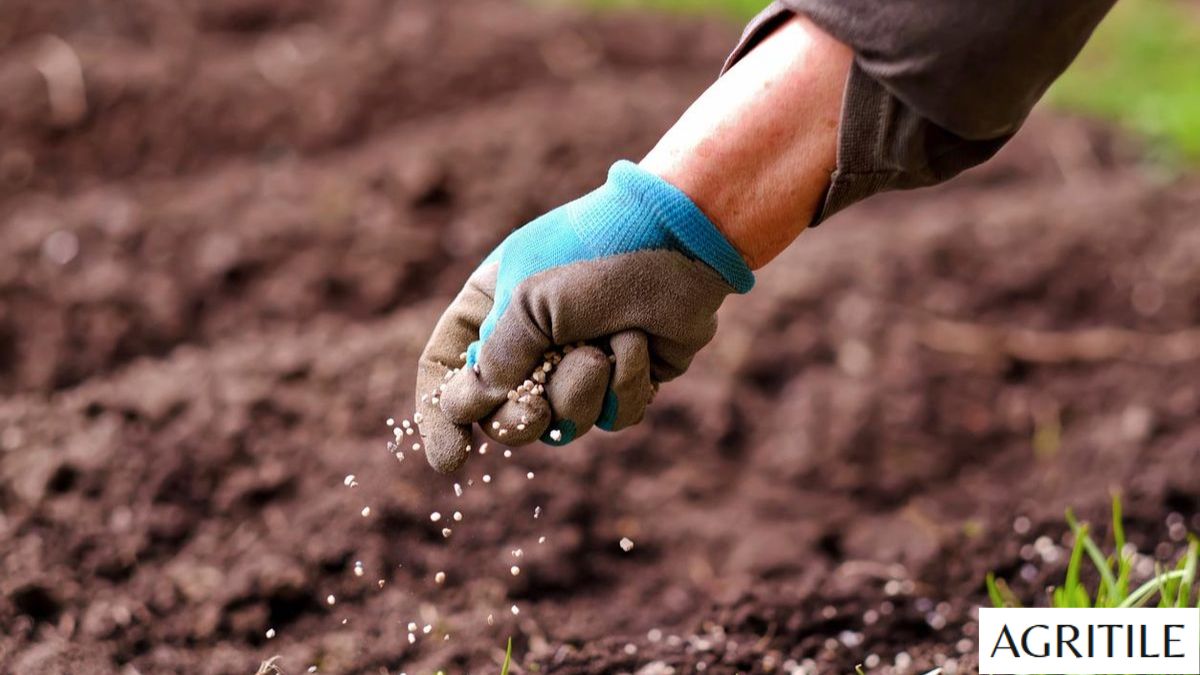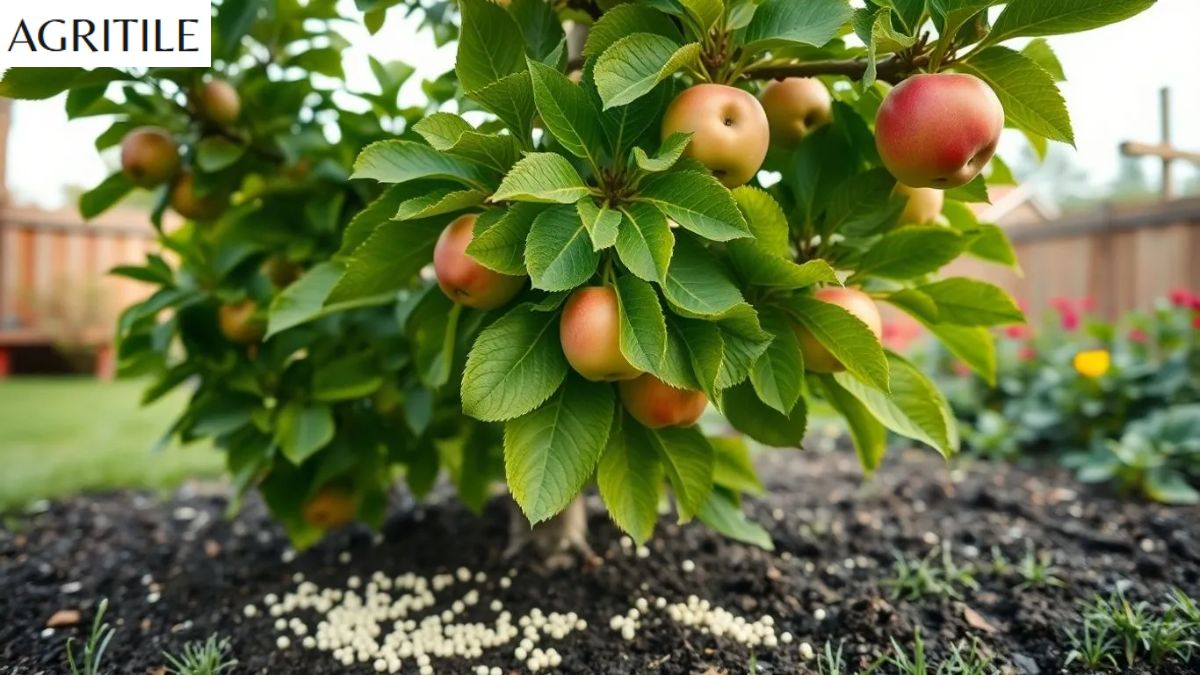
The growth of a lush orchard starts with the right food choices for your plants. Every farmer knows that soil alone often lacks the punch needed for a massive harvest. Data from recent studies show that the use of a high-quality program can increase yields by an extra 644 bushels per acre in some cases. You must understand that nutrition is not just about dumping any mix on the ground. It is about precision. The Best Liquid Fertilizer for Apple Trees for Healthy Growth provides the exact nutrients your trees crave during critical stages like bud burst or fruit set.
Liquid options are becoming the go-to choice for many professional agriculturists and home gardeners alike. These fluids are easy to use and very effective throughout the entire growing season. Plus, plants absorb nutrients through their leaves and stems about 20 times faster than through the roots. This rapid intake is vital when you see signs of stress or deficiency. A balanced mix of nitrogen, phosphorus, and potassium is the foundation of any good plan. Therefore, you should look for solutions that offer high bioavailability and soil protection technology to prevent runoff.
- Foliar sprays provide nutrient intake 20 times faster than soil applications.
- Balanced NPK ratios are essential for root strength and fruit flavor.
- Specific nutrients like calcium are mandatory to prevent quality issues like bitter pit.
What is the importance of liquid nutrition for your orchard?
You might wonder why liquid is often better than dry pellets. First of all, liquid fertilizers offer incredible flexibility for delivery to the soil, seeds, and foliage. This versatility means you can give the right nutrition at the exact moment the tree needs it. It is like giving your trees a direct vitamin shot. On top of that, liquid products like those from AgroLiquid are easy to mix with other crop protection tools. You do not have to make multiple trips through the orchard. This saves you time and fuel.
Also, many modern liquid fertilizers include technology that protects nutrients from being tied up in the soil. This ensures the tree actually gets to eat what you provide. Additionally, historical data from trials indicates that foliar fertilization can save up to 37.5 percent of traditional soil fertilizers while still improving fruit yield by 18.7 percent. This makes it a very cost-effective way to supplement your trees.
Importance of a balanced nutrient profile
Do apple trees need fertilizer? The answer is a loud yes. Apple trees are heavy feeders that require a specific balance of nitrogen, phosphorus, and potassium (NPK) to thrive. Nitrogen supports leaf growth in early spring, while phosphorus is the hero for root development. Potassium comes into play later to ensure the fruit is large and tasty. However, an imbalance can lead to problems. Too much nitrogen late in the season might cause new growth that frost will easily damage.
Similarly, secondary nutrients play a massive role. Calcium is one of the most important elements for apple quality. Without enough calcium, your apples might develop bitter pit, which ruins the harvest. Using the Best Liquid Fertilizer for Apple Trees for Healthy Growth often means choosing a product that includes chelated calcium or boron to help with nutrient mobility.
The Best Liquid Fertilizer for Apple Trees for Healthy Growth: Top Picks
When you look for the Best Liquid Fertilizer for Apple Trees for Healthy Growth, you will find several high-performance options. Professional growers often rely on specialized blends that target specific growth stages. For example, Fase1™ supports early growth in young trees, while Fase2™ is designed for robust budding and flowering. For the fruiting stage, Fase3™ is a top choice. These multinutrient liquids ensure that the tree never hits a nutritional wall.
Additionally, biofertilizers like PrimAgro N® include beneficial microbes. These microbes improve soil conditioning and help the tree take in more water and nitrogen naturally. If you deal with alkaline soils, iron-specific liquids like microLink Iron HPH can prevent chlorosis, which is when leaves turn yellow from a lack of iron.
Table 1: Growth Stages and Recommended Nutrient Focus
| Growth Stage | Primary Nutrient Need | Goal of Application |
| Bud Burst | Nitrogen (N) | Jumpstart leaf and canopy growth |
| Pink Bud | Phosphorus (P) & Boron | Support strong flowering and fruit set |
| Fruit Set | Calcium (Ca) & Zinc | Improve fruit cell division and prevent pits |
| Ripening | Potassium (K) | Enhance fruit size, color, and sugar |
The table above shows that a one-size-fits-all approach does not work. You must adjust your strategy as the tree moves through its cycle. Gradually, you will see how these targeted applications lead to a much better harvest.
How to apply liquid fertilizer step by step
The process of feeding your trees is simple if you follow a plan. First of all, you need to prepare the area. Clear away any weeds or debris around the base of the tree. This ensures the fertilizer reaches the soil or is not sucked up by competing plants. Later, perform a soil test to see exactly what is missing. This step prevents you from wasting money on nutrients the soil already has in abundance.
- Water the tree first: Moist soil absorbs liquid nutrients much better than bone-dry earth.
- Identify the drip line: This is the circular area on the ground where rainwater drips off the outermost leaves.
- Apply evenly: Spread the liquid in a circular pattern around this drip line where the feeder roots live.
- Avoid the trunk: Do not spray high-concentration liquids directly on the bark to avoid any risk of burn.
- Follow up with more water: A light watering after application helps the nutrients move into the root zone.
What is the best fertilizer for an apple tree when going organic?
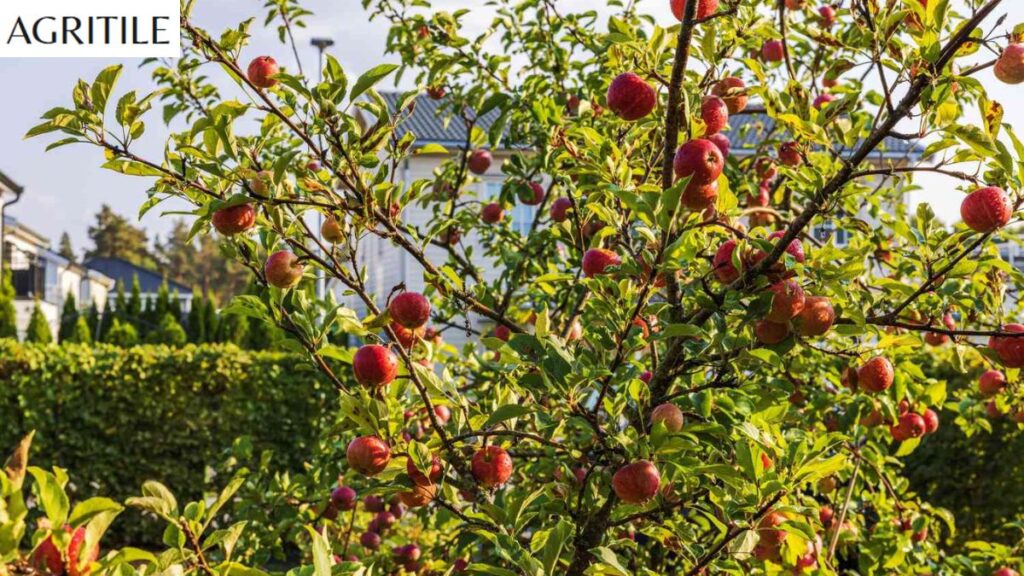
Many gardeners ask: what is the best fertilizer for an apple tree if I want to stay natural? The best organic liquid fertilizer for fruit trees often involves seaweed extracts or fish emulsion. Seaweed is a powerhouse for potassium and trace minerals. It helps the tree resist stress from heat or drought. Fish emulsion is great for a nitrogen boost that also feeds the microbes in your soil.
You can even make your own “garden gold” at home. Banana peel liquid is a fantastic, beginner-friendly option for a potassium boost. Just soak peels in water for a few days to create a nutrient-rich tea. However, you must remember to dilute these homemade mixes. Undiluted organic teas can sometimes burn sensitive roots if the concentration of salts is too high.
Foliar vs. Soil: Which delivery method works best?
What kind of fertilizer do you use for apple trees when you need fast results? Foliar feeding is the champion here. Since plants absorb these sprays 20 times faster than soil-applied nutrients, it is the best way to fix a deficiency quickly. If your leaves are looking pale, a quick spray of a water-soluble NPK mix (like 19:19:19) can bring back the green in days.
On the contrary, soil applications are better for long-term stability. Fertigation, which is adding fertilizer to your irrigation system, is a middle ground that many large orchards use. It provides a steady drip of food to the roots throughout the season. Combining both methods is the real secret. Use soil-based fertilizers for the foundation and foliar sprays for the finishing touches on fruit quality.
When is the best time to feed your trees?
Timing is everything in the orchard. You should start your fertilization in early spring as the buds begin to swell. This timing allows the nutrients to be available the moment the roots become active. Later, a second application in mid-summer or after harvest can help the tree prepare for winter dormancy. This late-season feeding ensures the tree has stored energy for the following year.
Plus, you should pay attention to the weather. Fertilizers work best when the soil is warm. Cold soil slows down the activity of roots and microbes. Therefore, you should wait for a string of warm days before you apply your liquid gold. Avoid feeding late in the autumn, as this might trigger soft new growth that the first winter frost will kill.
Table 2: Application Rates Based on Tree Age
| Tree Age | Recommended Amount | Frequency |
| Newly Planted | 1/4 to 1/2 cup (diluted) | Once in spring |
| Young (1-3 years) | 1/2 to 1 cup | Twice a season |
| Established (4+ years) | 1 to 2 cups | Multiple targeted sprays |
The data suggests that young trees need a gentler touch. They have smaller root systems and are more prone to root burn. As the tree matures, its demand for nutrients like potassium and calcium increases significantly to support the heavy fruit load.
Common mistakes to avoid during fertilization
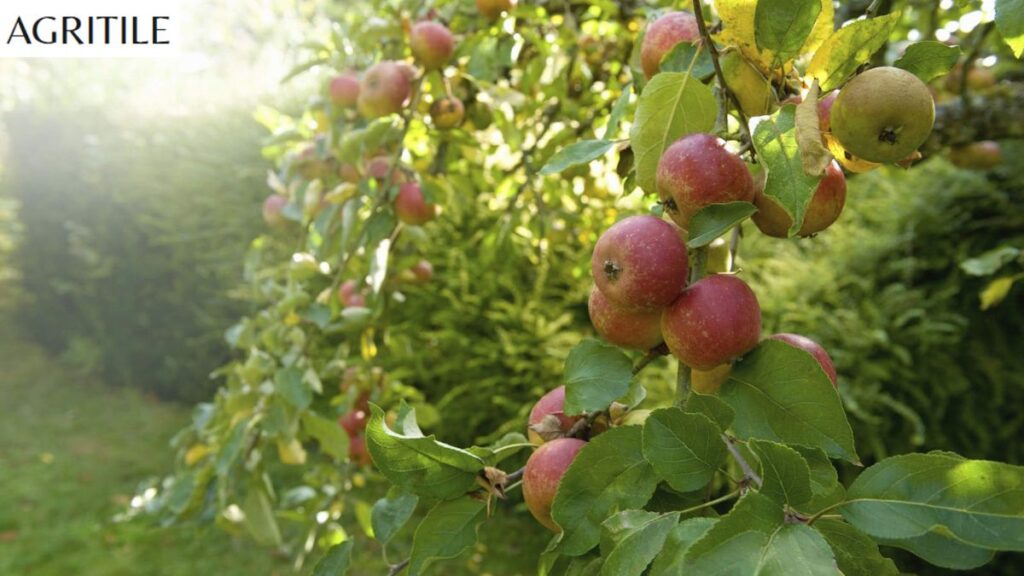
Many beginners make the same few errors. First of all, do not use undiluted fertilizer. High concentrations of salts can suck the moisture out of roots and kill the tree. Always read the label and follow the mixing instructions perfectly. Another big mistake is fully sealing containers during the fermentation of homemade organic mixes. This can cause the bottle to burst from gas buildup.
Also, do not rely on just one type of fertilizer all year long. Unbalanced nutrients can lead to big trees with zero fruit. Similarly, do not forget to filter your liquid mixes if you are using a sprayer. Clogged nozzles are a headache you do not want. Finally, avoid fertilizing trees that are already suffering from severe drought stress without watering them first.
Tips and tricks for a massive harvest
If you want a truly massive harvest, you should focus on the “feeder roots.” These roots are located at the edges of the root ball, not at the base of the trunk. Make sure your Best Liquid Fertilizer for Apple Trees for Healthy Growth reaches that outer circle. This ensures the tree can actually use the nutrients you are giving it.
Additionally, consider using humic and fulvic acids. These products act as “delivery trucks” for nutrients. They help the tree’s cells open up and take in minerals more efficiently. Using AgroLiquid Fulvic or Humico Potassium Humate can protect your yield potential even in poor soil conditions. These small additions can make a huge difference in the color and firmness of your apples.
FAQ’s
What nutrients do apple trees need most?
Apple trees primarily require nitrogen, phosphorus, and potassium. Nitrogen is essential for green leaves and canopy growth. Phosphorus supports the root system and flower development. Potassium is the key for fruit size and overall plant health. You should also ensure they get calcium to prevent bitter pit.
How often should I fertilize my apple trees?
The general recommendation is to fertilize at least twice a year. Once in the early spring as growth starts and again in the late summer after harvest. However, many professional schedules suggest smaller, more frequent “micro-feeds” throughout the growing season to match different growth stages.
Can I use organic fertilizers for apple trees?
Yes, organic liquids like seaweed extract and fish emulsion are excellent. They feed the tree and the soil at the same time. You can even make your own fertilizer at home using kitchen scraps like banana peels or coffee grounds for acid-loving varieties.
What are the signs that my tree needs a boost?
Look for leaves that are pale or turning yellow. This is a classic sign of nutrient deficiency. Reduced fruit size or a lack of flowers also indicate the tree is hungry. If growth seems to have stalled during the spring, it is time for a application of the Best Liquid Fertilizer for Apple Trees for Healthy Growth.
Is it safe to fertilize young apple trees?
It is safe, but you must be careful. Young trees have sensitive roots that burn easily. Always use a diluted formula and prefer slow-release or organic options that provide a steady, gentle flow of nutrients rather than a harsh chemical spike.
How do I apply foliar fertilizer correctly?
You should spray the leaves until the liquid just begins to drip off. Use a fine mist for the best coverage. It is best to do this early in the morning or late in the evening when the sun is not too hot. This prevents the leaves from burning.
What is the drip line and why does it matter?
The drip line is the area on the ground directly below the outermost branches. This is where most of the tree’s active feeder roots are located. Placing your liquid fertilizer here ensures the tree absorbs the nutrients efficiently rather than wasting them near the trunk.
Can liquid fertilizer improve the taste of my apples?
Yes, it can. Potassium and phosphorus are directly linked to the sugar content and flavor profile of the fruit. A balanced nutrition program ensures that the tree has the energy to create the complex sugars that make an apple sweet and crisp.
Does liquid fertilizer wash away in the rain?
Some quick-release liquids can wash away, but many modern products have “stay-put” technology. This protects the nutrients from runoff. It is always best to check the weather and avoid fertilizing right before a massive thunderstorm.
Concluding Words
The journey to a successful harvest is not a mystery. It is a science. Choosing the Best Liquid Fertilizer for Apple Trees for Healthy Growth is the single best move you can make for your orchard. These liquids provide fast, reliable, and flexible nutrition that dry fertilizers simply cannot match. You have seen how foliar sprays can boost your yields by nearly 19 percent and how specific nutrients like calcium protect your fruit from disease.
Now, it is your turn to take action. Do not wait for your trees to show signs of hunger. Start a proactive feeding schedule this spring and watch your orchard transform. Whether you choose professional-grade liquids or your own homemade organic brews, the key is consistency. Your trees work hard for you all season long. Give them the fuel they need, and they will reward you with a bountiful, delicious harvest that you can be proud of. Happy growing up!